
Gas heat built for Florence County's brutal winters.
Florence County sits in IECC climate zone 7, one of the coldest zones in the Lower 48, tucked against the Michigan Upper Peninsula border with fewer than 600 residents. Propane-fired gas fireplaces and inserts deliver reliable, instant heat here even when the woods around Florence and Fence are buried in snow. We'll match you with a trusted local dealer who knows the terrain.
Every Project Starts From One of These Five Situations
Propane heat for the deep-woods cold.
With a year-round population around 523, Florence County is one of Wisconsin's least populated counties and sits deep in the Northwoods along the Michigan border. Winters here are long and severe—this is climate zone 7, the same band that covers International Falls, Minnesota, and Fargo, North Dakota, and cold snaps well below zero are routine from December through February. Oak, maple, birch, and aspen fill the surrounding forest, and wood heat has deep roots in this county, but a growing number of homeowners are pairing that tradition with a gas fireplace or insert for the room where they want heat at the flip of a switch, no wood hauling required.
Piped natural gas infrastructure is limited to nonexistent across most of rural Florence County, so propane is the standard fuel for gas hearth appliances here, delivered and stored in a home tank rather than fed from a utility main. That's not a downside—modern direct-vent propane fireplaces and inserts perform identically to natural gas units, and a battery-backed or self-powered ignition system means the fireplace can still run during a winter power outage, which matters in a county where storm-related outages can stretch for a day or more in the more remote stretches near Aurora, Fence, and Long Lake.
Three steps. No salesperson until you're ready.
Tell us about your project
Your zip code, your situation, and the fuel you're leaning toward—or let the answers point you to one.
See what's actually available
The brands dealers within 100 miles genuinely carry—real options, never a catalog mirage.
Get your dealer & Project Guide
A trusted local dealer, plus the free Project Guide & Parts List that names every component of the job.
Frequently Asked Questions
How much does a gas fireplace installation cost in Florence County?
Most gas fireplace and insert installations in this area run in the $4,000 to $10,000 range, with the spread driven mainly by whether a propane tank is already in place, how much venting work is needed, and the specific unit chosen. A propane insert going into an existing masonry fireplace with a tank already on the property tends to land on the lower end. New construction, a fresh tank installation, or a longer gas line run through a log or timber-frame home pushes the estimate higher. Because Florence County is sparsely populated, expect your local dealer to factor in some travel time for the install—worth asking about up front.
Can I convert my existing wood fireplace to gas?
Yes, and it's a common upgrade for Florence County cabins and year-round homes alike. A propane insert is fitted into the existing masonry opening and vented through a stainless liner run up the existing chimney, so you keep the look of your fireplace while gaining push-button heat. Given how common wood heat still is in this county—oak, maple, and birch are all readily available locally—many homeowners keep a wood stove elsewhere in the house and convert just the main living area fireplace to propane for daily convenience.
Is natural gas available in Florence County, or is it all propane?
Piped natural gas service is not available across most of Florence County—this is a rural area without the utility infrastructure to support it, unlike larger Wisconsin cities downstate. Propane is the standard fuel for gas fireplaces, inserts, and stoves here, supplied by a tank on the property that's filled by a local delivery service. Nearly every gas hearth model sold today can be configured for propane with the correct orifice and regulator setup, so fuel availability doesn't limit your choice of unit—your dealer will just configure it correctly for propane from the start.
Will my gas fireplace work during a power outage?
Most direct-vent propane fireplaces with intermittent pilot ignition (IPI) include a battery backup, typically a set of AA batteries inside the unit, that keeps the fireplace fully operational when the power drops. That's a meaningful feature in Florence County, where ice storms and heavy lake-effect snow off Lake Michigan's influence can knock out power in outlying areas for extended stretches. Valor's lineup goes a step further—their units generate their own electricity through the pilot's thermocouple, so there's no battery to remember to replace. Ask your local dealer which ignition system is on any model you're considering.
What's the difference between a gas fireplace, gas insert, and gas stove?
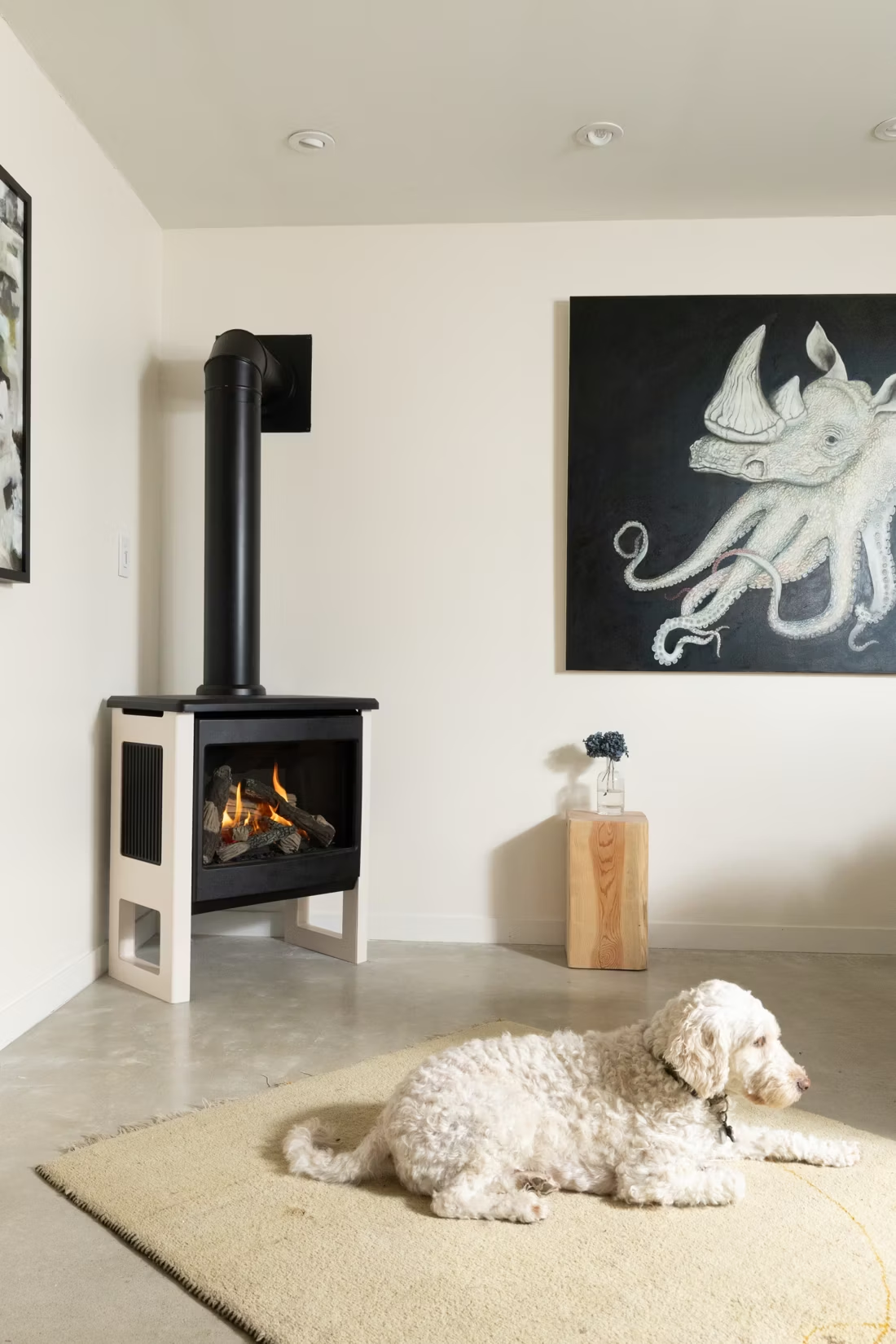
A gas fireplace is a built-in unit framed into a wall, typically chosen for new construction or a remodel. A gas insert slides into an existing masonry fireplace opening and uses the existing chimney as its vent path, which makes it the natural choice for Florence County's older lake cabins and farmhouses that already have a wood-burning fireplace. A gas stove is a freestanding cabinet-style unit that sits on the floor, similar in footprint to a wood stove, and works well in a room without an existing fireplace. Most homeowners here with an existing hearth opening land on an insert.
Do I need a permit to install a gas fireplace in Florence County?
Yes—a building permit is required for a new gas fireplace or insert installation, and if you're adding or upgrading a propane tank, that typically requires its own approval as well. Because Florence County's population is small, the permitting process runs through the county's zoning and building office rather than a city department, and turnaround is generally quick outside of peak summer building season. Most local installers handle the permit paperwork directly so it isn't something you have to manage yourself.
What's the difference between vented and vent-free gas fireplaces?
Vented (direct-vent) gas fireplaces draw combustion air from outside and exhaust the byproducts back outside through a sealed vent—they're the cleanest, safest option and work in any room. Vent-free units burn fuel directly into the living space without external venting; they're legal in Wisconsin but come with strict room-sizing and oxygen depletion sensor requirements. In a climate zone 7 county like Florence, where homes are built tight to survive the cold, direct-vent units are the far more common recommendation—venting the moisture and combustion byproducts outside matters more, not less, in a well-sealed cold-climate home. Local dealers can walk you through both, but expect direct-vent to be pushed first.
How often should my gas fireplace be serviced?
Plan on an annual inspection, ideally in late summer or early fall before the county's long heating season starts. A technician checks the burner, pilot assembly, venting, and any propane line connections, and cleans the glass and firebox interior. This matters even more with propane than natural gas since a tank refill or a jostled regulator can occasionally affect pressure—a quick annual check catches those issues before the coldest nights of a Florence County winter.
Gas vs. wood—which is right for my home in Florence County?
Wood is deeply practical here—oak, maple, birch, and aspen are all abundant locally, wood heat needs no electricity to run, and it's the fallback plenty of longtime residents count on when a storm takes down power for a day or more. Gas offers instant, thermostat-controlled heat with none of the hauling, splitting, or ash cleanup, and a propane unit with battery or self-powered ignition still works through most outages. For a primary living space where convenience matters daily, propane gas is usually the better fit; for backup heat or a workshop, cabin, or garage, wood still makes sense for a lot of Florence County households. Many homes here run both.
Why is a fireplace insert so efficient?
An insert does two things: it seals the chimney completely, so you stop losing air you already paid to heat, and it radiates warmth into the room through the firebox and glass. Most add a heat-exchange fan that pulls cool room air underneath, wraps it around the hot firebox, and pushes it back out warm. Your home is more efficient before you've even lit the first fire.
Is my gas fireplace wasting gas?
If it was installed more than 15 years ago, probably. Older gas fireplaces keep a standing pilot light burning all the time, and that little flame can cost a couple hundred dollars a year. Newer models use pilot-on-demand ignition—the pilot lights only when you use the fireplace and goes out when you turn it off.
Can I install a fireplace myself?
If you're putting a fire in your house on purpose, it's best to work with an expert. Unless you're genuinely experienced in framing, gas line, vent pipe, and the national code on clearances to combustibles, have a professional do it—and ideally the same company that sells you the fireplace, so warranty, service, and liability all live under one roof.
Does a fireplace add value to my home?
On average, a fireplace adds back to the home about the same amount you spent installing it. Add the monthly savings from heating the rooms you actually use instead of the whole house—often hundreds of dollars a year—and the value case is strong before you even count what a fire does for how your family uses the room.
Stove and Fireplace Dealers in Florence County
Listings include WhyFire partner dealers, dealers we have verified as authorized for the brands we recommend, and established local businesses that carry hearth products. Every listing shows which one it is. The ones marked Preferred run on WhyFire's software, so they can show you real pricing and book your appointment right here. No manufacturer pays for placement. How we verify dealers →
Universal Plumbing Heating & Ac
Trappers Fireplace Gallery
A & M Heating Cooling & Fireplace Sales
Dahlquist Heating & Cooling
Earth Sense Energy Systems - Sayner
Find your gas fireplace in Florence County.
Tell us about your home and propane setup, and we'll send a free Project Guide & Parts List—the exact parts, including the vent kit, and a trusted local dealer matched to your Florence County project.
Find Your Fireplace →