
A cleaner, hands-off way to heat through a Waukesha County winter.
Delafield sees over 7,000 heating degree days a year—pellet heat delivers steady, thermostat-controlled warmth without the wood stacking. I'll match you with a trusted local dealer who can size and install the right unit.
Every Project Starts From One of These Five Situations
Consistent heat, less labor, than a lake-country winter demands.
Delafield sits in climate zone 6A at just under 900 feet elevation, with average winter lows around 11°F and roughly 7,089 heating degree days a year—a heating load in the range of Madison or Bismarck. That's a long, cold season, and it's part of why pellet stoves have found a steady following among homeowners here who want reliable supplemental heat without the daily work of splitting and stacking oak, maple, birch, or aspen—the species that dominate the woodlots around the Bark River and Nagawicka Lake area.
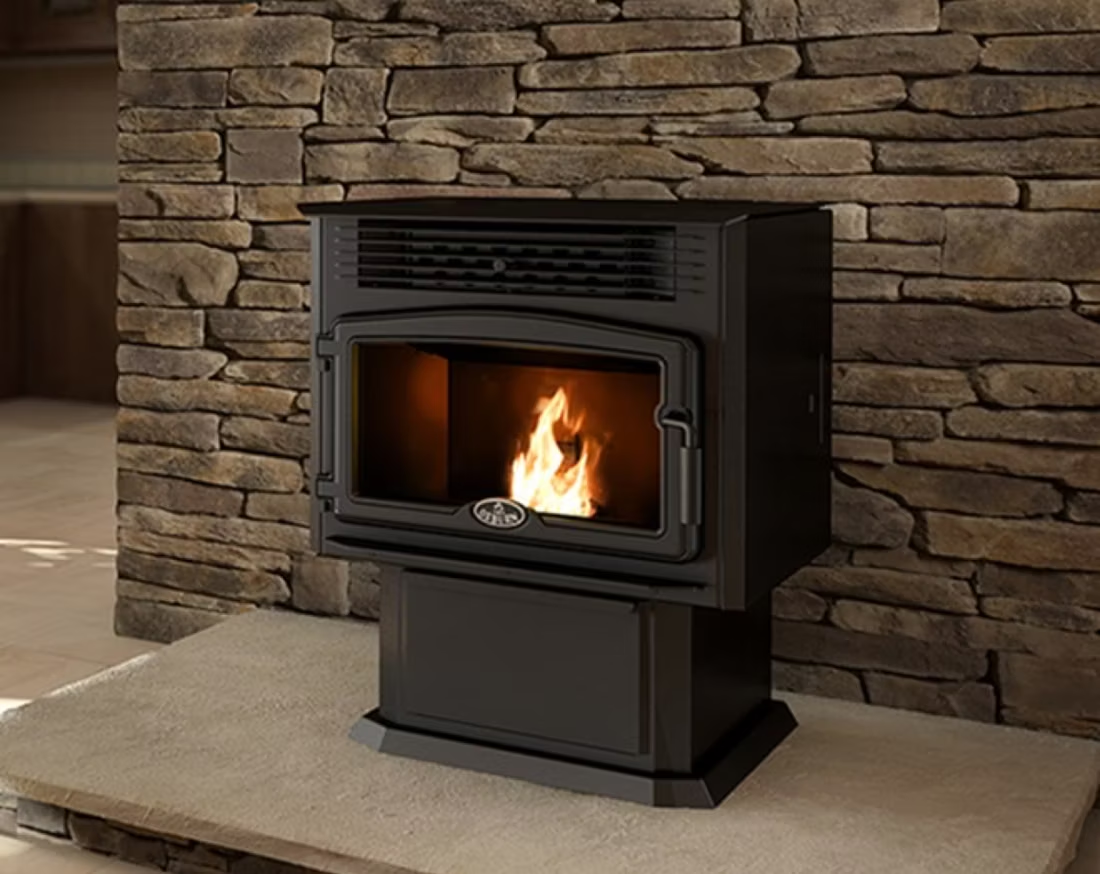
A pellet stove or insert loads from a hopper, runs on a thermostat, and burns far cleaner than cordwood—a real advantage in a lake-country community where snowmobile trails, boat storage, and garages already crowd the woodshed. Regional bag brands like Indeck Energy Services, Lignetics, and Somerset Pellet Fuel are all sold within driving distance of Waukesha County, so fuel supply isn't a concern. The tradeoff is that pellet units need electricity to run the auger and blower—worth planning around if winter power outages are a concern on your street.
Three steps. No salesperson until you're ready.
Tell us about your project
Your zip code, your situation, and the fuel you're leaning toward—or let the answers point you to one.
See what's actually available
The brands dealers within 100 miles genuinely carry—real options, never a catalog mirage.
Get your dealer & Project Guide
A trusted local dealer, plus the free Project Guide & Parts List that names every component of the job.
Frequently Asked Questions
How much does a pellet stove installation cost in Delafield?
Pellet stove and insert installations in the Waukesha County area typically run in a similar range to other Midwest markets with comparable heating loads—generally $2,500 to $6,000 depending on whether it's a freestanding stove with a simple through-wall vent kit or an insert going into an existing masonry fireplace with a full liner. Inserts run toward the higher end because of the liner and surround work. A local dealer will give you a firm number after seeing your fireplace or install location in person, but pellet installs are almost always less labor-intensive—and less expensive—than a wood stove chimney install.
How much do pellets cost and where do I buy them in Delafield?
Homeowners in the Delafield area typically buy 40-lb bags from farm supply stores, hardware stores, or hearth dealers in Waukesha County, with regional brands like Lignetics and Somerset Pellet Fuel commonly stocked. Bulk buying by the ton—a season's supply for most homes is 1 to 3 tons—usually saves money over buying bag by bag through the winter. Ask your local dealer about seasonal pre-buy pricing; many hearth shops offer a discount if you order your season's pellets before September.
Will my pellet stove work if the power goes out?
No—this is the one real tradeoff of pellet heat. Pellet stoves rely on an electric auger to feed fuel and a blower to circulate heat, so they shut down without power unless you have a battery backup or generator wired in. Waukesha County sees occasional winter outages from ice and windstorms, so if backup heat during an outage matters to you, ask your local dealer about a small battery backup unit or a generator-ready setup, or consider pairing a pellet stove with a wood-burning option elsewhere in the house.
What size pellet stove do I need for my home?
Most pellet stoves are rated to heat somewhere between 1,000 and 2,500 square feet, depending on the model and your home's insulation and layout. Given Delafield's cold, long heating season, homeowners here often size slightly larger than they would in a milder climate to get through stretches of sub-zero weather without the stove running flat-out constantly. A local dealer will walk your space, account for ceiling height and open floor plans, and recommend a specific model rather than relying on a generic square-footage chart.
Do I need a permit to install a pellet stove in Delafield?
Most pellet stove and insert installations require a building permit through the City of Delafield or Waukesha County, depending on your specific address, along with inspection of the vent termination and clearances. The good news is pellet stoves vent through a simple through-wall PVC or stainless kit rather than a full masonry chimney, which keeps the permitting process fairly quick. Local dealers who install regularly in the area typically pull the permit and schedule the inspection as part of the job.
What's the difference between a pellet stove and a pellet insert?
A pellet stove is a freestanding unit that sits on the floor and vents through an exterior wall or existing chimney chase—it works in homes without a fireplace at all, which covers a lot of the newer construction around Delafield. A pellet insert is built to slide into an existing masonry fireplace opening, using a liner run up the chimney, and is the better fit if you already have a wood-burning fireplace you want to convert to cleaner, more efficient heat. Both run on the same hopper-and-auger system; the choice mostly comes down to whether you're starting from an existing fireplace or an open wall.
How often does a pellet stove need to be cleaned and serviced?
Pellet stoves need the ash pot emptied every few days to weekly with regular use, and the burn pot and glass wiped down periodically to keep the fire burning clean. Beyond that, most manufacturers recommend a full professional cleaning and inspection once a year—typically before the start of the heating season in September or October—covering the exhaust venting, hopper, auger, and blower motor. This is a lighter maintenance load than a wood stove chimney sweep, which is one of the reasons pellet appeals to homeowners who want heat without much upkeep.
Is a pellet stove a good fit for a Delafield lake home or cabin?
Yes—pellet stoves are a common choice for the lake homes and seasonal properties around Nagawicka, Pewaukee, and Okauchee. Because they run on a thermostat and don't require daily attention like a wood stove, they work well in a property you're not at every day, and the simple through-wall venting is easier to retrofit into an older cottage than a full masonry chimney. Just plan for the electricity dependency—if the property isn't winterized or monitored, a frozen pipe risk during a power outage is worth discussing with your dealer alongside the stove itself.
Pellet vs. wood stove—which is right for my Delafield home?
Wood stoves burn cordwood—plentiful locally from oak, maple, birch, and aspen—run without electricity, and work as true emergency heat during a power outage, but require splitting, stacking, and daily tending. Pellet stoves load from a hopper, hold a steady thermostat-set temperature, burn cleaner with less ash, and need far less day-to-day labor, but they stop working without electricity and depend on a steady bag or bulk pellet supply through the winter. For Delafield homeowners without easy access to a woodlot, or who want heat that doesn't require weekend firewood chores, pellet is usually the better fit. For those with a reliable wood source and a priority on power-outage backup heat, wood often wins.
Why is a fireplace insert so efficient?
An insert does two things: it seals the chimney completely, so you stop losing air you already paid to heat, and it radiates warmth into the room through the firebox and glass. Most add a heat-exchange fan that pulls cool room air underneath, wraps it around the hot firebox, and pushes it back out warm. Your home is more efficient before you've even lit the first fire.
What's the difference between an insert and a zero-clearance fireplace?
An insert is a fireplace that slides into a pre-existing wood-burning fireplace—if you don't have one, there's nothing to insert it into. A zero-clearance fireplace is built into a framed wall, which makes it the answer for remodels and new construction. Simple test: existing masonry fireplace means insert; blank or framed wall means zero-clearance.
Can a fireplace actually lower my heating bill?
Yes—by creating a comfort zone. A furnace heats every square foot of the house just to warm the one room you're in; a gas fireplace on low burns roughly a sixth of the gas a typical furnace does. Set the furnace around 55–60 degrees as a baseline, then heat the rooms your family actually uses. Families who heat this way commonly save $20–$60 a month.
What is an in-home preview and do I need one?
It's a visit where a hearth professional measures your space, confirms the model you picked actually works in your home, and walks the specs—framing, gas line, venting, finish work—before anything is ordered. Some details you just can't know until you see the house. Never make a down payment without one; it's the single most-skipped step that burns buyers.
Nearby Dealers
Hearth shops serving Delafield and the surrounding area. Every listing shows whether it is a WhyFire partner, a dealer we have verified as authorized for the brands we recommend, or a local business carrying hearth products. No manufacturer pays for placement. How we verify dealers →
Bbq Grills Of Wisconsin
Stonecraft Studios
Chimney Doctors
David J. Frank Landscape Contracting, Inc.
James R. Tayler & Sons
Pellet Brands Stocked Around Delafield
Manufacturers will point you to the nearest stocking dealer.
Find your pellet stove in Delafield.
Tell us a bit about your home and heating goals, and I'll match you with a trusted local Delafield-area dealer and send over a free Project Guide & Parts List—sized venting, the right stove, and a clear plan before you spend a dollar.
Find Your Fireplace →