
Steady gas heat for Clay County's cold hollows.
Clay County's ridges and river hollows along the Elk River see genuinely cold winters even without extreme snowfall totals—and a gas fireplace or insert delivers heat on demand without a woodpile. Find the right unit, then get matched with a trusted local dealer who can actually install it out here.
Every Project Starts From One of These Five Situations
Reliable heat where natural gas lines don't reach.
Clay County sits in West Virginia's Climate Zone 4A—mixed-humid winters that are cold enough to matter but rarely brutal, with cold snaps that settle into the hollows along the Elk River longer than they linger on the ridgetops. The county seat of Clay and the small communities scattered through the surrounding hills have long relied on the oak, hickory, maple, and cherry that cover the hillsides for wood heat. Gas has become the preferred upgrade for homeowners who want that same instant, no-hauling warmth in a main living room without tending a stove every few hours.
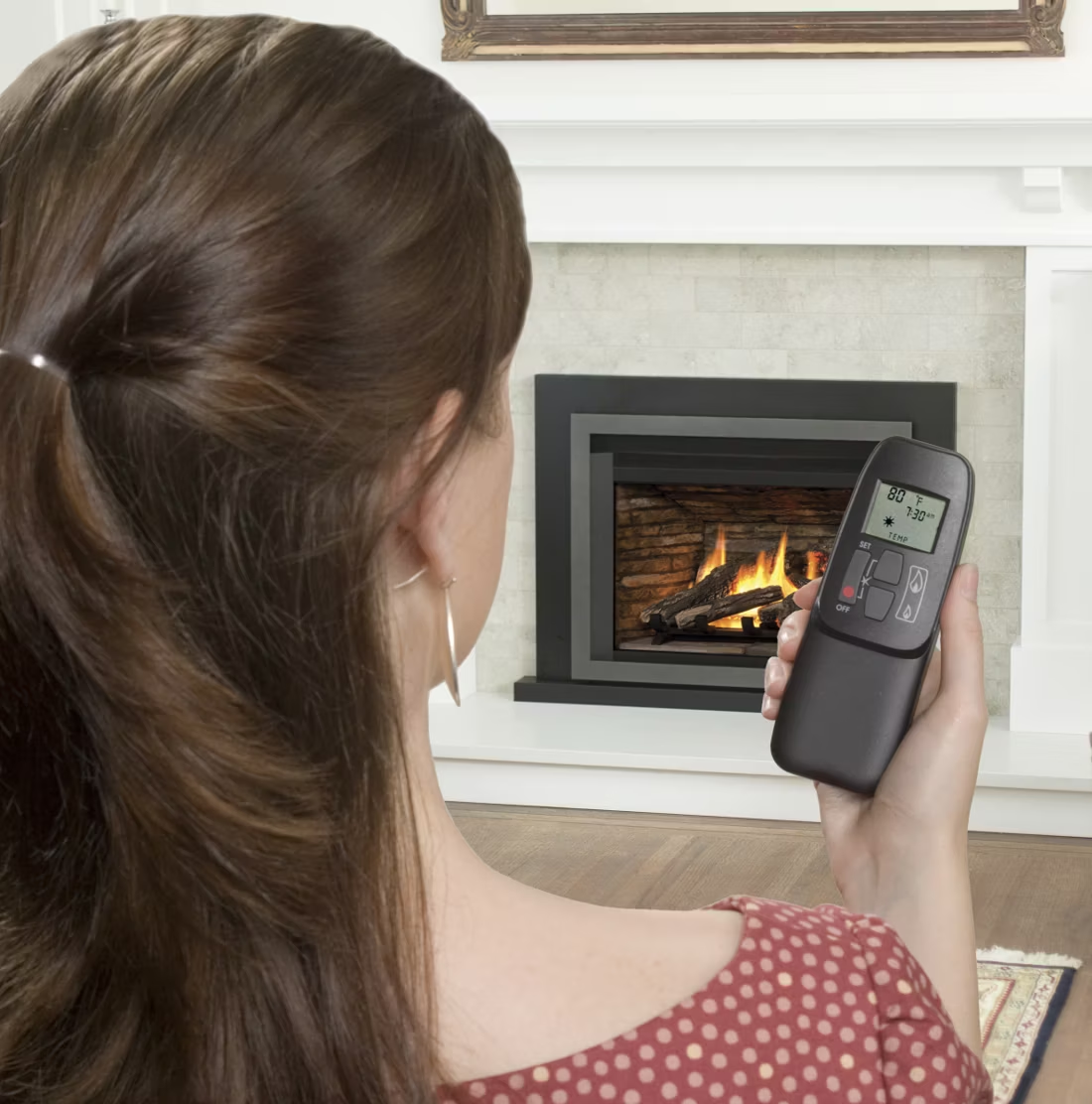
Mountaineer Gas and other West Virginia natural gas utilities largely serve the state's larger municipalities, and piped natural gas does not reach most of Clay County. That makes propane the standard fuel here—delivered by tank and stored on-site, then run through the same direct-vent fireplaces, inserts, and stoves used anywhere else in the country. A propane-fed gas fireplace still gives you flip-a-switch heat, a battery-backup option that keeps working when an ice storm takes down the power lines along the ridge, and a real alternative to keeping a woodpile dry and split all winter.
Three steps. No salesperson until you're ready.
Tell us about your project
Your zip code, your situation, and the fuel you're leaning toward—or let the answers point you to one.
See what's actually available
The brands dealers within 100 miles genuinely carry—real options, never a catalog mirage.
Get your dealer & Project Guide
A trusted local dealer, plus the free Project Guide & Parts List that names every component of the job.
Frequently Asked Questions
How much does a gas fireplace installation cost in Clay County?
Across rural West Virginia counties like Clay, a propane-fed gas fireplace or insert typically runs $3,500 to $8,000 installed, depending on the unit, whether a propane tank is already in place, and how much venting work is needed. A gas insert dropped into an existing masonry fireplace with a tank already on the property tends to land on the lower end. New construction, a fresh propane tank setup, or a long line run out to the tank pushes costs toward the higher end. Because Clay County's population is small and spread across hollows and ridges, expect a modest travel charge from installers based in Clay or neighboring counties—worth asking about up front.
Do I need natural gas, or does propane work fine?
Propane is the standard choice for Clay County. Mountaineer Gas and the other utilities that pipe natural gas into West Virginia communities don't extend service into most of this county, so nearly every gas fireplace, insert, or stove installed here runs on propane from a delivered tank rather than a municipal gas line. Any direct-vent gas fireplace on the market can be configured for propane—your installer sets the correct orifice and regulator for the fuel you're using. If you don't already have a propane tank on the property, your installer or a local propane supplier can help size and place one as part of the project.
Will my gas fireplace still work if the power goes out?
Most direct-vent gas fireplaces use IPI (intermittent pilot ignition) with a battery backup—typically a few AA batteries built into the unit—so the fireplace still lights and runs off those batteries when the power drops. That matters in Clay County, where ice and wind can take down power along rural lines for longer stretches than in town. Some manufacturers, including Valor, generate their own electricity through the pilot's thermocouple instead of relying on batteries at all, so there's nothing to remember to replace. Either way, ask your local dealer about the ignition system on any unit you're considering if reliable heat during an outage is a priority.
What's the difference between a gas fireplace, insert, and stove?
A gas fireplace is a fully built-in unit framed into a wall—the right call for new construction or a remodel. A gas insert slides into an existing masonry fireplace opening, sealing it up and using the existing chimney as a chase for the direct-vent pipe—a common upgrade for the older farmhouses and cabins scattered through Clay County that already have a wood-burning fireplace they no longer want to feed. A gas stove is a freestanding unit that sits on the floor like a wood stove but runs on gas, which works well in a room without an existing chimney or fireplace opening. Most homeowners here with an existing hearth opening go with an insert.
Can I convert my wood fireplace to gas?
Yes, and it's a common project in a county where the hillside hardwoods—oak, hickory, maple, cherry—have historically made wood the default heat source. A gas insert replaces the open wood-burning hearth with a sealed, high-efficiency unit that vents through the existing chimney with a stainless liner, running on a propane line to a tank outside. Many Clay County homeowners keep the wood fireplace or a wood stove elsewhere in the house for backup heat during extended outages, and add gas to the main living space for daily convenience.
Do I need a permit to install a gas fireplace in Clay County?
Clay County does not maintain its own building permit office for hearth appliances the way some larger jurisdictions do. Gas fireplace and propane line installations fall under the West Virginia State Fire Marshal's code requirements, and the propane connection itself must be run by a licensed gas-fitter. In practice, the installer or propane company handling your project typically manages this as part of the job, so you're not left coordinating multiple trades or code inspections yourself.
What's the difference between vented and vent-free gas fireplaces?
Vented (direct-vent) gas fireplaces draw combustion air from outside and exhaust combustion byproducts back outside through a sealed pipe—the standard, code-preferred choice almost everywhere, including Clay County. Vent-free units burn fuel directly into the room without external venting; they're legal in West Virginia but come with strict room-sizing rules and require an oxygen depletion sensor, since combustion byproducts stay in the living space. For a county with a lot of older, tightly built cabins and farmhouses, direct-vent units are the safer and more commonly recommended option—your local dealer can walk through both if you want to weigh the tradeoffs.
How often should a propane gas fireplace be serviced?
Plan on an annual inspection, typically before the start of the heating season in fall. A technician checks the burner, pilot assembly, venting, and the propane connections, and cleans the glass and interior. This is a much lighter lift than sweeping a wood chimney, but it matters just as much for safety and for keeping the flame pattern looking right—propane appliances that run unserviced for years can develop sooty glass or uneven burners. Expect to pay somewhere in the $150 to $250 range for a standard annual visit from a qualified technician.
Gas vs. wood—which makes more sense for a Clay County home?
Wood, cut from the oak, hickory, maple, and cherry that cover the hills here, still makes sense as a primary or backup heat source for homeowners who don't mind the work and want heat that keeps running with zero electricity or propane deliveries. Gas offers instant, consistent heat at the flip of a switch with none of the hauling, splitting, or ash cleanup—a real advantage for a main living space used daily. Because Clay County runs on delivered propane rather than piped natural gas, gas heat here still depends on keeping a tank filled, which is worth factoring in if you're weighing the two. Many households in the county end up with both: gas in the main room for everyday convenience, wood or a wood stove elsewhere as backup for when the roads ice up and deliveries get delayed.
Is my gas fireplace wasting gas?
If it was installed more than 15 years ago, probably. Older gas fireplaces keep a standing pilot light burning all the time, and that little flame can cost a couple hundred dollars a year. Newer models use pilot-on-demand ignition—the pilot lights only when you use the fireplace and goes out when you turn it off.
Can I put a TV above my fireplace?
Yes—with an asterisk. Fireplaces are hot and TVs don't like heat. Either put a mantel between them to deflect rising warmth, or choose a fireplace with heat-management technology that creates a cool zone on the wall above—the wall stays around 125 degrees, barely warm, while the room still gets full heat. If you like clean lines and don't want a mantel, heat management is the answer.
How much should I budget for a fireplace?
For an average home—covering the fireplace, the vent pipe, and basic installation—a budget between $3,900 and $5,500 gives you a lot of options across wood, gas, and pellet. By the time you add finish work, gas line, and electrical, the average complete installation lands between $5,000 and $12,000 all-in. In a remodel or new build, a good rule is to put about 2.5% of the total project cost toward the fireplace.
What is an in-home preview and do I need one?
It's a visit where a hearth professional measures your space, confirms the model you picked actually works in your home, and walks the specs—framing, gas line, venting, finish work—before anything is ordered. Some details you just can't know until you see the house. Never make a down payment without one; it's the single most-skipped step that burns buyers.
Stove and Fireplace Dealers in Clay County
Listings include WhyFire partner dealers, dealers we have verified as authorized for the brands we recommend, and established local businesses that carry hearth products. Every listing shows which one it is. The ones marked Preferred run on WhyFire's software, so they can show you real pricing and book your appointment right here. No manufacturer pays for placement. How we verify dealers →
Walton Thriftway
The Best Hardware
Hardman's Hardware
F. M. Pile Hardware Co.
Fireside & Patio Shop
Find your gas fireplace in Clay County.
Tell us a bit about your home and we'll put together a free Project Guide & Parts List—the right gas fireplace, insert, or stove for your space, the vent kit and parts it needs, and a trusted local dealer who can actually install it in Clay County.
Find Your Fireplace →