
Keep Your Family Warm and Safe—No Matter What
Woodinville's mild Sammamish Valley winters mean wood is a niche choice here, not the default. If it's the right fit for your property, we'll match you with a trusted local dealer.
Every Project Starts From One of These Five Situations
A mild climate makes wood heat the exception, not the rule.
Woodinville sits at just 175 feet in the Sammamish River Valley, where winter lows average a mild 37°F and the area has a modest heating season overall. Compare that to a genuinely wood-dependent climate like Duluth, MN or Bozeman, MT, where sub-zero nights make a wood stove a survival tool rather than a lifestyle choice. In Woodinville, most homes are heated by heat pumps, electric resistance, or natural gas from Puget Sound Energy, and wood-burning appliances are the exception rather than the default.
The Puget Sound Clean Air Agency (PSCAA) also issues seasonal burn ban advisories across King County during winter temperature inversions, and summer wildfire smoke adds another layer of air-quality scrutiny most of the year. That said, wood stoves haven't disappeared entirely—some homeowners on larger King County parcels install an EPA-certified stove for emergency backup heat during Puget Sound Energy outages, for the ambiance of a real fire, or because they have land and access to Forest Service cutting permits through Mt. Baker-Snoqualmie or Olympic National Forest. If that's your situation, a local certified installer can tell you quickly whether it makes sense for your specific property.
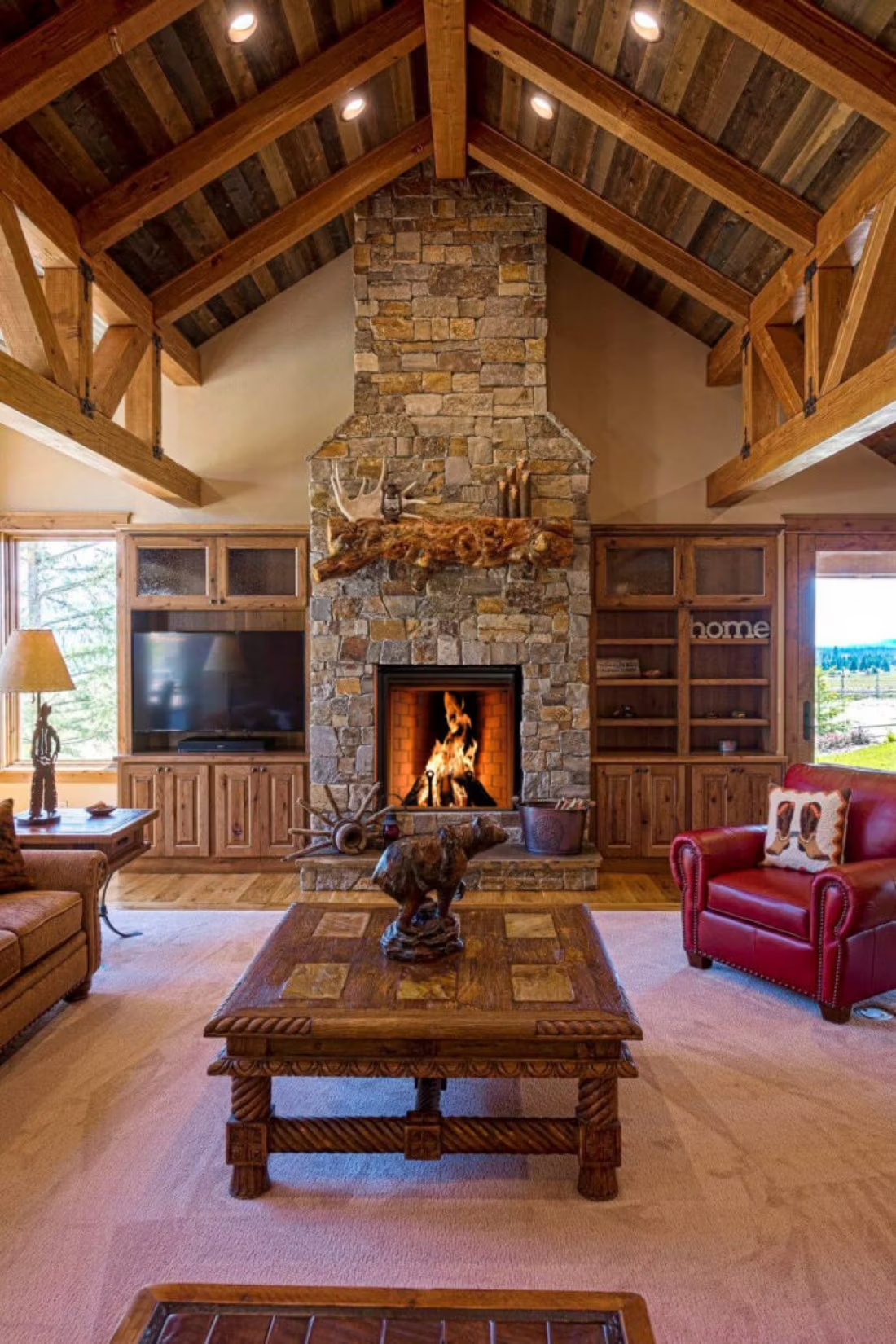
Firewood Cutting Permits Near Woodinville
Three steps. No salesperson until you're ready.
Tell us about your project
Your zip code, your situation, and the fuel you're leaning toward—or let the answers point you to one.
See what's actually available
The brands dealers within 100 miles genuinely carry—real options, never a catalog mirage.
Get your dealer & Project Guide
A trusted local dealer, plus the free Project Guide & Parts List that names every component of the job.
Frequently Asked Questions
How much does a wood stove installation cost in Woodinville?
Wood stove installations in the Puget Sound area typically run $3,500 to $8,500 depending on the unit, chimney work, and hearth pad requirements. Because wood is a less common request here than gas or electric, fewer installers stock wood-burning inventory on the shelf—expect most jobs to be special-ordered, which can add a few weeks to the timeline. Homes without an existing chimney, which is most newer Woodinville construction, will sit toward the higher end once Class A pipe and roof penetration are factored in.
Does a wood stove even make sense for my Woodinville home?
For most primary heating needs, no—Woodinville's mild winters (37°F average lows, a modest heating season overall) are well served by heat pumps or gas, and a wood stove would sit unused most of the year. Where it does make sense: larger rural or wooded King County lots where you already have access to firewood, homes that lose power for extended periods during winter windstorms, or homeowners who simply want a real wood fire for ambiance in a great room or cabin-style space. If that's you, a local dealer can size a stove correctly for occasional or supplemental use rather than daily heating load.
Where can I find certified wood stove installers near Woodinville?
Look for NFI (National Fireplace Institute) or CSIA (Chimney Safety Institute of America) certification—since wood installs are less routine here than gas conversions, that certification matters even more for getting clearances, venting, and hearth protection right the first time. Permits for wood-burning appliance installations in Woodinville run through the City of Woodinville Building Department, or King County's Department of Permitting and Environmental Review (King County DPER) if your property is in an unincorporated area just outside city limits.
What's the difference between a wood stove and a wood insert?
A wood stove is a freestanding unit on its own hearth pad, vented through new or existing chimney pipe—it works in homes with no existing fireplace. A wood insert slides into an existing masonry fireplace opening and uses that chimney (usually with a new stainless liner) to vent. Since most Woodinville homes were built without a wood-burning fireplace to begin with, a freestanding stove is more often the practical option here, while an insert is really only relevant if you happen to own an older home with an existing masonry hearth.
Do I need a permit to install a wood stove in Woodinville, and are there burn restrictions?
Yes—a building permit is required for new wood stove installations, and the unit must meet current EPA New Source Performance Standards. Beyond installation, the Puget Sound Clean Air Agency issues seasonal burn ban advisories across King County during winter inversions and periods of poor air quality; during a Stage 1 ban, uncertified stoves and inserts can't be used, while EPA/PSCAA-certified stoves are typically still permitted to burn. It's worth checking PSCAA's daily burn ban status before lighting a fire between roughly November and February.
What's the best wood stove for a mild, wet Pacific Northwest climate like Woodinville's?
Since most Woodinville installs are for supplemental heat or backup power rather than round-the-clock winter heating, a mid-size non-catalytic stove is usually the right fit—it lights quickly, doesn't require the long, steady burns a colder climate demands, and is more forgiving if you're not burning daily. Lopi, which is manufactured just north in Mukilteo, WA, and Pacific Energy both build models well suited to occasional PNW use. If you're planning to lean on the stove for extended outages, ask about longer-burning catalytic options instead.
How often should my chimney be inspected and cleaned?
The CSIA recommends an annual inspection regardless of how often the stove is used, and in Woodinville's case that matters even more—infrequent, supplemental use can actually lead to more creosote buildup per burn hour than the steady, hot fires common in colder climates, because cooler or damp Douglas fir and red alder firewood doesn't always burn hot enough to keep the flue clean. Schedule the sweep before the wet season sets in, typically September or October.
Where can I get firewood in the Woodinville area?
Common species locally include Douglas fir, red alder, and lodgepole pine, available from regional firewood delivery services around King and Snohomish counties, typically by the cord. For self-cutting, Forest Service permits through Mt. Baker-Snoqualmie National Forest or Olympic National Forest run $5 to $20 per cord during the May-to-October cutting season—a good option if you're on a wooded parcel and want to stock a supply for backup heat rather than buying it pre-split.
Wood vs. gas—which makes more sense for a Woodinville home?
For nearly all Woodinville homeowners, gas wins on convenience: Puget Sound Energy provides natural gas service through much of the area, and a gas fireplace or insert delivers instant, thermostat-controlled heat with none of the wood handling, ash cleanup, or burn-ban timing concerns. Wood's real advantage is that it doesn't need electricity or gas service to run, which matters if you're specifically planning for extended power outages during winter windstorms. Most Woodinville households that want both end up with gas for daily living-room use and, occasionally, a wood stove reserved for backup heat on a larger property.
Why is my open fireplace making my house colder?
Open fireplaces suck—literally. As the fire burns, it consumes air your furnace already paid to heat and pulls it out through the chimney, so the house is actually colder after the fire goes out than before you lit it. An insert fixes this: it seals the chimney, puts fixed glass across the front, and turns that hole in your house into a real heat source.
Why won't my new wood stove get going like my old one?
New wood stoves are 70%+ efficient, so far less heat goes up the flue—which also means less draft to get a fire established. The rule: build a genuinely hot fire for about 45 minutes before you choke it down. Skip that and you get smoke in the room, creosote in the chimney, and a fire that never takes off. Most performance complaints trace straight back to this.
What is an in-home preview and do I need one?
It's a visit where a hearth professional measures your space, confirms the model you picked actually works in your home, and walks the specs—framing, gas line, venting, finish work—before anything is ordered. Some details you just can't know until you see the house. Never make a down payment without one; it's the single most-skipped step that burns buyers.
Does a fireplace add value to my home?
On average, a fireplace adds back to the home about the same amount you spent installing it. Add the monthly savings from heating the rooms you actually use instead of the whole house—often hundreds of dollars a year—and the value case is strong before you even count what a fire does for how your family uses the room.
Nearby Dealers
Hearth shops serving Woodinville and the surrounding area. Every listing shows whether it is a WhyFire partner, a dealer we have verified as authorized for the brands we recommend, or a local business carrying hearth products. No manufacturer pays for placement. How we verify dealers →
Kirkland Fireplace
Sundance Energy Services, Inc.
Pristine Sweeps
Rich's For The Home
Rich’s Woodstoves & Spas
All Points Heating
T.d.r Masonry LLC
Ecco Supply
Anderson Fireplace
Island Gas Piping & Installations, LLC
Aqua Quip
Economy Wiring
Rich's Stoves & Spas
Rich's For The Home
Four Day Fireplace
Chimney And Fireplace Solutions
Find your wood fireplace in Woodinville.
Tell us about your property and how you plan to use it, and we'll help you figure out if wood makes sense—then match you with a trusted local dealer and a free Project Guide & Parts List for your specific install.
Find Your Fireplace →