
Electric heat that keeps up with Stevens County winters.
No chimney, no gas line, no venting—just plug-in warmth for the zones of your home that need it most, from Colville to Chewelah to Kettle Falls. Find the right unit and connect with a trusted local dealer.
Every Project Starts From One of These Five Situations
A clean, low-maintenance complement to a wood-heavy county.
Stevens County sits in the far northeastern corner of Washington, running from the Columbia and Colville River valleys up into the Selkirk and Kettle mountain ranges. With a long, demanding heating season and average winter lows around 23°F, the county's winters are genuinely cold—in the same range as Helena, Montana. Surrounded by BLM Spokane District, BLM Coeur d'Alene District, and Idaho Panhandle National Forest land with cheap cutting permits (often $10 a cord), most Stevens County households have long relied on ponderosa pine, lodgepole pine, and Douglas fir for primary or supplemental heat. That heritage isn't going anywhere, but it's also exactly why electric fireplaces have a solid, standard role here rather than a starring one.
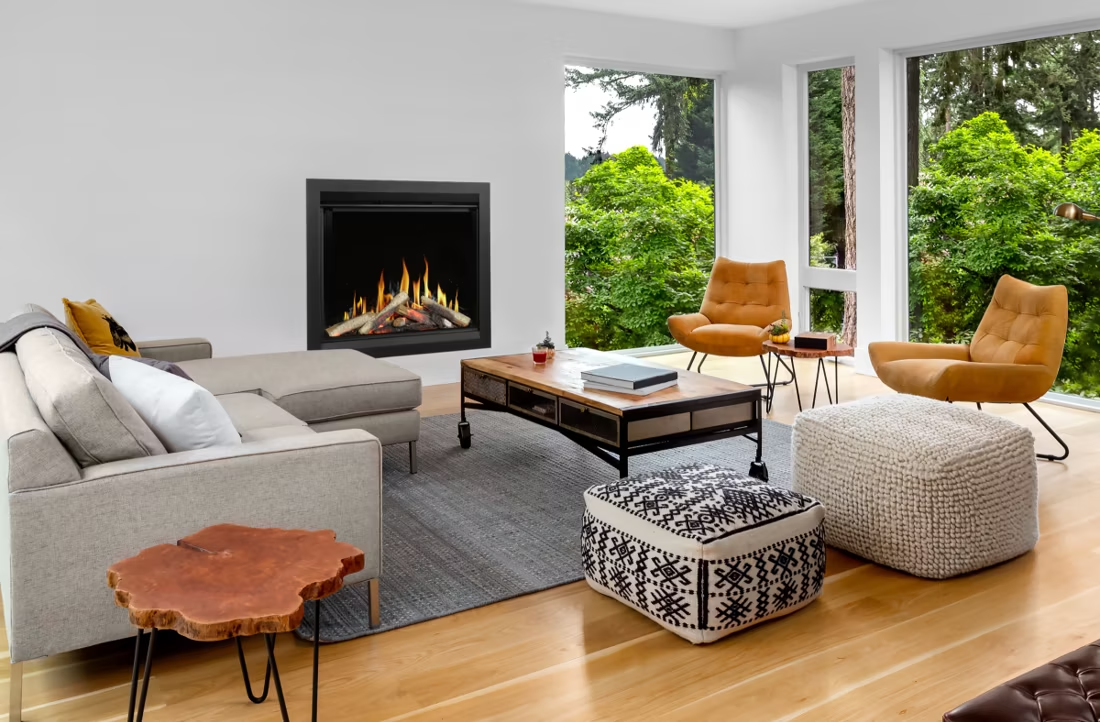
In a county where wood heat dominates and wildfire smoke advisories periodically restrict outdoor burning and stove use, an electric fireplace gives homeowners a smoke-free, maintenance-free way to add zone heat to a bedroom, bonus room, or manufactured home addition without touching the chimney or the wood pile. It's also a common choice for cabins around Waitts Lake or the Lake Roosevelt shoreline, and for rental units where simplicity matters more than BTU output. With Stevens County PUD's hydropower-based rates keeping electricity relatively affordable by regional standards, running an electric unit for supplemental warmth is a reasonable everyday cost—not a luxury.
Three steps. No salesperson until you're ready.
Tell us about your project
Your zip code, your situation, and the fuel you're leaning toward—or let the answers point you to one.
See what's actually available
The brands dealers within 100 miles genuinely carry—real options, never a catalog mirage.
Get your dealer & Project Guide
A trusted local dealer, plus the free Project Guide & Parts List that names every component of the job.
Frequently Asked Questions
How much does an electric fireplace installation cost in Stevens County?
Electric fireplace inserts and wall-mount units in Stevens County typically run $400 to $2,000 installed, depending on whether it's a plug-in insert that needs no wiring work or a built-in unit requiring a dedicated 120V or 240V circuit run by a licensed electrician. Because there's no chimney, flue, gas line, or combustion venting involved, electric is consistently the least expensive fireplace fuel to install in the county—a fraction of what a wood stove with new Class A pipe or a gas insert with line work can run. Recessed built-ins in new construction or remodels sit toward the higher end once framing and finish work are added.
Can an electric fireplace actually heat a room in Stevens County's climate?
A quality electric fireplace with a real 1,500-watt heating element can comfortably supplement heat in a single room—a bedroom, den, or bonus space—but with a long, demanding heating season and winter lows regularly in the low 20s, electric units are not a realistic sole heat source for a whole Stevens County home during the coldest stretches of winter. Most local homeowners use electric as zone heat layered on top of a wood stove, propane furnace, or heat pump, rather than as the primary system. Skip fireplaces marketed purely for the flame effect without a stated heater wattage if you actually need the warmth.
Do I need a permit to install an electric fireplace in Stevens County?
Plug-in electric inserts that use an existing standard outlet generally don't require a permit. Built-in units that need a new dedicated circuit—which is common for larger wall-mount or recessed models—require an electrical permit and should be wired by a licensed electrician, since Stevens County's rural service areas mean an improperly loaded circuit can trip breakers or overheat wiring in older homes. There's no combustion involved, so unlike wood or gas installs, there's no chimney or venting inspection to schedule.
Will my electric fireplace work during a power outage?
No—and this is the single biggest tradeoff to understand before choosing electric in Stevens County. Unlike a wood stove or a battery-backed gas fireplace, an electric unit goes dark the moment Stevens County PUD lines go down, which happens periodically during winter ice and windstorms in the county's more rural stretches. That's exactly why most local homeowners who install electric fireplaces for convenience and ambiance also keep a wood stove or propane appliance in the house as their actual storm-outage backup.
What's the difference between an electric insert, wall-mount, and freestanding electric stove?
An electric insert is sized to slide into an existing masonry or zero-clearance fireplace opening, giving an old wood-burning firebox a clean, maintenance-free makeover. A wall-mount unit hangs flush on a wall like a flat-screen TV, popular in newer Stevens County homes and additions with no existing fireplace. A freestanding electric stove mimics the look of a wood stove and can sit anywhere near an outlet—a good fit for manufactured homes and cabins around the county where running new wiring is impractical. All three are available in local styles ranging from realistic flame effects to more decorative LED displays.
What's the best electric fireplace for Stevens County homes?
For genuine supplemental warmth, look at models from Dimplex or Napoleon with a stated 1,500-watt heater and a thermostat, rather than units built purely for the flame effect. If the goal is ambiance in a room already heated by a wood stove or furnace—common in Stevens County's wood-first households—a lower-wattage or flame-only unit is fine and cheaper to run. For manufactured homes or cabins near Waitts Lake, Loon Lake, or the Lake Roosevelt shoreline, a freestanding stove-style unit that doesn't require new wiring is often the easiest install. A local dealer can match wattage and style to your specific room.
How much does it cost to run an electric fireplace in Stevens County?
A typical 1,500-watt electric fireplace running on high draws about 1.5 kWh per hour. At Stevens County PUD's residential rates—which run lower than many investor-owned utilities in the region thanks to the district's hydropower resources—running a unit for several hours a day through the winter adds a modest, predictable amount to a monthly bill, well below what running electric baseboard heat for the same hours would cost as a whole-home solution. It's one reason electric fireplaces work well as targeted, room-by-room heat in this county rather than as a primary system.
Electric vs. wood—which is right for my Stevens County home?
Wood remains the backbone of heating for many Stevens County households, backed by cheap Forest Service and BLM cutting permits (often around $10 a cord) and abundant ponderosa pine, lodgepole pine, and Douglas fir on the surrounding public land. Wood also keeps working when the power goes out, which matters in a rural county with occasional winter outages. Electric offers the opposite tradeoffs: no smoke during wildfire-season air quality advisories, no ash or chimney maintenance, and instant on-off convenience—but it's dependent on the grid and isn't built to carry a whole home through a Stevens County winter on its own. Many local homes end up with both: wood for primary heat and outage backup, electric for a bedroom, den, or smoke-free supplement.
Electric vs. pellet stove—which makes more sense here?
Pellet stoves, running on regional brands like Bear Mountain, Lignetics, or Pacific Pellet, burn cleaner than cordwood and can genuinely heat a Stevens County home through the coldest months—but they still need electricity to run the auger and blower, so a power outage takes them offline just like an electric fireplace does. If your main goal is real heat output with some efficiency and you're not worried about outages, pellet has more capacity. If your goal is simple, no-maintenance supplemental warmth in one room with zero ash and no hopper to fill, electric is the simpler answer. Homes already running a wood stove for outage backup often add either as pure convenience heat.
Can I put a TV above my fireplace?
Yes—with an asterisk. Fireplaces are hot and TVs don't like heat. Either put a mantel between them to deflect rising warmth, or choose a fireplace with heat-management technology that creates a cool zone on the wall above—the wall stays around 125 degrees, barely warm, while the room still gets full heat. If you like clean lines and don't want a mantel, heat management is the answer.
Do electric fireplaces actually produce heat?
Yes—most put out around 4,800–5,000 BTUs from a standard outlet, which comfortably warms a bedroom, office, or den as a comfort-zone heater. What they won't do is carry a whole house the way wood, gas, or pellet can. Think of electric as ambiance-first with honest supplemental heat: flames on with no heat in July, flames plus warmth in January.
Does a fireplace add value to my home?
On average, a fireplace adds back to the home about the same amount you spent installing it. Add the monthly savings from heating the rooms you actually use instead of the whole house—often hundreds of dollars a year—and the value case is strong before you even count what a fire does for how your family uses the room.
What is an in-home preview and do I need one?
It's a visit where a hearth professional measures your space, confirms the model you picked actually works in your home, and walks the specs—framing, gas line, venting, finish work—before anything is ordered. Some details you just can't know until you see the house. Never make a down payment without one; it's the single most-skipped step that burns buyers.
Stove and Fireplace Dealers in Stevens County
Listings include WhyFire partner dealers, dealers we have verified as authorized for the brands we recommend, and established local businesses that carry hearth products. Every listing shows which one it is. The ones marked Preferred run on WhyFire's software, so they can show you real pricing and book your appointment right here. No manufacturer pays for placement. How we verify dealers →
North Country Rental And Supply
Norstar Heating & Cooling
Tri-County Stove
Get your Project Guide & Parts List for an electric fireplace in Stevens County.
Tell us about your room and how you plan to use it, and we'll match you with a trusted local Stevens County dealer and send a free Project Guide & Parts List—sized right for your space and wiring, with no big-box guesswork.
Find Your Fireplace →