
Instant Heat, Zero Venting, Any Room in SeaTac.
Marine-climate winters, dense multifamily housing, and no chimney required—electric fireplaces are a natural fit for SeaTac homes and condos. Find the right unit and connect with a trusted local dealer.
Every Project Starts From One of These Five Situations
The easiest fireplace upgrade for SeaTac homes.
SeaTac sits at 349 feet in the Puget Sound lowlands, where winter lows average a mild 38°F and the heating season totals about 4,376 degree days—roughly a third of what a colder inland city like Bozeman, Montana sees in an average winter. That marine climate, combined with SeaTac's dense mix of apartments, condos, and homes clustered around Sea-Tac International Airport, means most households need supplemental zone heat rather than a wood-burning workhorse. Electric fireplaces fill that role well: no chimney, no gas line, and no combustion byproducts to vent.
Puget Sound Energy serves nearly all of SeaTac's electric accounts at a residential rate of about $0.1463 per kWh, which keeps running costs for a typical electric insert or built-in modest even with daily use. Because electric units plug into a standard outlet or hardwire to a 120V/240V circuit, they're also one of the few hearth upgrades that renters, condo owners, and HOA-restricted properties can install without touching the building's exterior or chimney—a real advantage in a city where a large share of housing sits close to the airport corridor and multifamily zoning.
Three steps. No salesperson until you're ready.
Tell us about your project
Your zip code, your situation, and the fuel you're leaning toward—or let the answers point you to one.
See what's actually available
The brands dealers within 100 miles genuinely carry—real options, never a catalog mirage.
Get your dealer & Project Guide
A trusted local dealer, plus the free Project Guide & Parts List that names every component of the job.
Frequently Asked Questions
How much does an electric fireplace installation cost in SeaTac?
Most electric fireplace projects in SeaTac run $500 to $3,000 installed. A plug-in freestanding unit or a simple insert into an existing fireplace opening sits at the low end—often a same-day job with no electrical work required. A built-in wall unit or a linear electric fireplace set into new framing, which typically needs a dedicated 120V or 240V circuit run by a licensed electrician, lands in the middle to upper end. Because there's no venting or gas line to plan around, electric installs are usually the fastest and least disruptive hearth project available to SeaTac homeowners and condo owners alike.
What's the difference between an electric fireplace, insert, and wall-mounted unit?
A freestanding electric fireplace is a plug-in unit you can place against nearly any wall and move if you relocate—no electrician needed. An electric insert is built to slide into an existing masonry or wood-fireplace opening, giving old fireplaces a second life without chimney work. A wall-mounted or built-in linear electric fireplace is set into framing or a media wall and usually wired directly into a dedicated circuit for a cleaner, more finished look. For SeaTac's older housing stock with existing wood fireplaces, an insert is often the simplest path to a working, glowing hearth again.
Can an electric fireplace actually heat a room, or is it just for looks?
Most electric fireplaces include a built-in fan-forced heater rated around 5,000 BTU (about 1,500 watts), enough to comfortably warm a 300- to 400-square-foot room as supplemental heat. Given SeaTac's mild winter lows—averaging 38°F rather than the sub-zero nights you'd see in a place like Fargo, North Dakota—an electric unit is a realistic way to take the chill off a living room or bedroom without running the furnace, though it isn't designed to replace a home's primary heating system on its own.
Do I need a permit to install an electric fireplace in SeaTac?
A plug-in electric fireplace that uses an existing outlet typically doesn't require a permit. If you're adding a built-in unit that needs a new dedicated circuit or a 240V line, that electrical work requires a permit and inspection, generally coordinated through the City of SeaTac's building and electrical permitting process. Licensed electricians who regularly install hearth units will usually pull this permit as part of the job, so it's worth asking upfront whether your chosen unit needs new wiring.
Electric vs. gas fireplace—which is right for my SeaTac home?
Gas fireplaces are common in SeaTac and deliver real heat output with a live flame, but they require a gas line and venting, which adds cost and construction complexity, especially in condos or units without existing gas service. Electric fireplaces skip both requirements entirely, install in a fraction of the time, and cost far less upfront—though they produce less raw heat than a gas unit and rely on the electric grid rather than combustion. For renters, condo owners, and anyone in SeaTac's many multifamily buildings near the airport, electric is usually the more realistic option. For homeowners with existing gas service who want a stronger heat source and a more traditional flame, gas remains worth considering.
Is an electric fireplace a good fit for a SeaTac condo or apartment?
Yes—electric fireplaces are one of the few hearth products that work within most condo association and rental restrictions, since they don't require exterior venting, a chimney, or gas line modifications. A freestanding or insert-style unit plugged into an existing outlet can typically be installed and removed without any structural change, which matters in a city like SeaTac where a large share of housing near the airport corridor is rented or HOA-governed.
How much does it cost to run an electric fireplace in SeaTac?
At Puget Sound Energy's residential rate of roughly $0.1463 per kWh, a typical 1,500-watt electric fireplace running on high costs about 22 cents per hour, or a little over $5 for eight hours of use. Most owners run the heater setting only when they want supplemental warmth and use the flame effect on its own the rest of the time, which draws only a few watts and costs pennies per day.
Can I still get a wood stove or fireplace in SeaTac?
Wood-burning appliances are uncommon in SeaTac. The Puget Sound Clean Air Agency issues burn bans across King County during winter inversions and poor-air-quality days, and SeaTac's mild marine climate—winter lows averaging 38°F—means most households don't need wood as a heat source the way homes in colder inland climates do. A small number of older houses still have legacy wood fireplaces burning douglas fir, red alder, or lodgepole pine cut under Mt. Baker-Snoqualmie or Olympic National Forest permits, but new wood stove installations are rare here, and most homeowners converting an old wood fireplace choose an electric or gas insert instead.
What about pellet stoves—are those an option in SeaTac?
Pellet stoves are rarely installed in SeaTac. Like wood stoves, they're a poor match for the area's mild coastal winters and face the same regional air-quality scrutiny from the Puget Sound Clean Air Agency during burn-ban periods. Pellet appliances also need venting and a hopper that has to be loaded regularly, which adds maintenance most SeaTac homeowners don't need in a climate with average winter lows in the high 30s. Electric inserts deliver the same instant, no-mess ambiance without the fuel storage or venting requirements.
Can I put a TV above my fireplace?
Yes—with an asterisk. Fireplaces are hot and TVs don't like heat. Either put a mantel between them to deflect rising warmth, or choose a fireplace with heat-management technology that creates a cool zone on the wall above—the wall stays around 125 degrees, barely warm, while the room still gets full heat. If you like clean lines and don't want a mantel, heat management is the answer.
Does an electric fireplace need a vent or chimney?
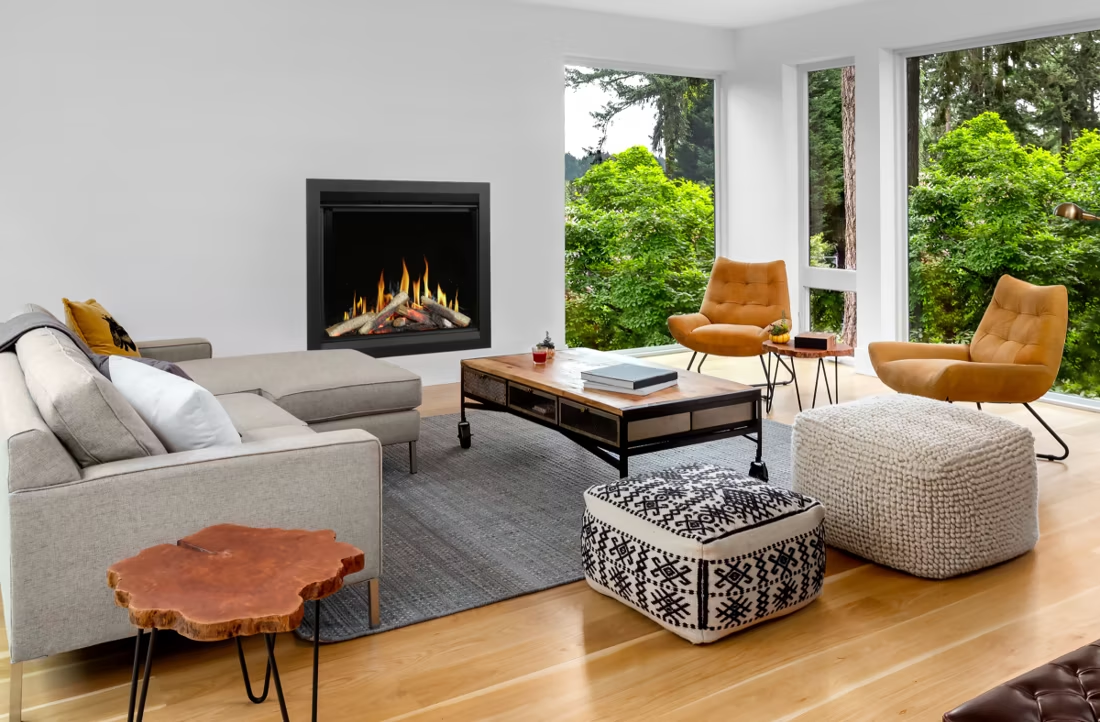
No—that's its superpower. An electric fireplace needs a wall and an outlet, period. No vent pipe, no gas line, no clearances to design around, which is why it works in bedrooms, offices, apartments, and walls where venting a gas or wood unit would be impractical or impossible. Installation is typically the simplest and least expensive of any fireplace type.
What is an in-home preview and do I need one?
It's a visit where a hearth professional measures your space, confirms the model you picked actually works in your home, and walks the specs—framing, gas line, venting, finish work—before anything is ordered. Some details you just can't know until you see the house. Never make a down payment without one; it's the single most-skipped step that burns buyers.
Can a fireplace actually lower my heating bill?
Yes—by creating a comfort zone. A furnace heats every square foot of the house just to warm the one room you're in; a gas fireplace on low burns roughly a sixth of the gas a typical furnace does. Set the furnace around 55–60 degrees as a baseline, then heat the rooms your family actually uses. Families who heat this way commonly save $20–$60 a month.
Nearby Dealers
Hearth shops serving SeaTac and the surrounding area.
Rich's Stoves & Spas
Electric Service in SeaTac
An electric fireplace's heater draws about 1,500 watts—pennies per hour at local rates.
Puget Sound Energy Inc
City Of Milton - (Wa)
Find your electric fireplace in SeaTac.
Tell us a bit about your home and we'll match you with the right electric fireplace or insert, plus a free Project Guide & Parts List—the exact parts for your SeaTac project and a recommended local dealer to install it.
Find Your Fireplace →