
Warm up your Lake Stevens home without the smoke or the hassle.
Zone heat for mild Puget Sound winters, with none of the venting, chimney, or wildfire-smoke tradeoffs. Find the right unit and connect with a trusted local dealer.
Every Project Starts From One of These Five Situations
Mild winters, real heating bills, zero smoke.
Lake Stevens sits at just 248 feet in the Puget Sound lowlands, where winter lows average a comparatively mild 35°F and the region has a winter heating load that's a fraction of what a place like Duluth, MN sees in a typical winter. That maritime climate means most homes here don't need a high-BTU primary heat source; they need something that takes the chill off a family room or basement rec space during the wetter, gray stretches of the year without turning into a major construction project.
Puget Sound Energy serves Lake Stevens at a residential rate of roughly 14.6 cents per kWh—a bit above the national average, which is one reason most homeowners here use electric fireplaces as targeted zone heat rather than a whole-house solution. There's also a seasonal upside that's easy to overlook: Snohomish County sees periodic wildfire smoke advisories and burn restrictions in late summer and fall, and electric units keep running with zero emissions when wood burning is discouraged or restricted. No chimney, no gas line, and in many cases no permit at all for a plug-in insert—just a unit that plugs in and works.
Three steps. No salesperson until you're ready.
Tell us about your project
Your zip code, your situation, and the fuel you're leaning toward—or let the answers point you to one.
See what's actually available
The brands dealers within 100 miles genuinely carry—real options, never a catalog mirage.
Get your dealer & Project Guide
A trusted local dealer, plus the free Project Guide & Parts List that names every component of the job.
Frequently Asked Questions
How much does it cost to install an electric fireplace in Lake Stevens?
A plug-in electric insert or freestanding stove typically runs $400 to $900 installed, since most just need a standard 120V outlet and don't require an electrician. A built-in wall unit or a linear electric fireplace set into cabinetry runs higher—often $1,000 to $1,500 or more—once you factor in framing, a dedicated circuit, and finish work around the unit. Local dealers in the Lake Stevens area can walk you through both paths during an in-home or virtual consultation.
Do I need a permit to install an electric fireplace in Lake Stevens?
In most cases, no—a plug-in electric fireplace or insert that uses an existing outlet doesn't trigger a permit requirement. If you're having a built-in unit hardwired or adding a new dedicated circuit, that electrical work typically does need a permit through the City of Lake Stevens Building Department, and it should be pulled by a licensed electrician. Most local hearth dealers coordinate this as part of a built-in installation so you're not managing the paperwork yourself.
How much does an electric fireplace cost to run in Lake Stevens?
At Puget Sound Energy's residential rate of about 14.6 cents per kWh, a typical 1,500-watt electric fireplace running on high costs roughly 22 cents an hour to operate. Most units let you run the flame effect without the heater engaged, which draws only a few watts—useful if you want ambiance without the heating cost during Lake Stevens's milder shoulder-season evenings. Compared to running a heat pump or baseboard heat to warm an entire room, a single electric fireplace used for zone heating in the space you're actually sitting in is usually the cheaper option.
Is electric heat a good fit given wildfire smoke concerns here?
Yes—this is one of the more practical reasons electric fireplaces have caught on around Lake Stevens. Snohomish County periodically issues air quality advisories and burn bans tied to summer and fall wildfire smoke, which restrict or discourage wood burning. An electric fireplace keeps working through those advisories with zero combustion byproducts, making it a reliable option for homes that want supplemental heat and ambiance without worrying about smoke restrictions or outdoor air quality feeding back into the house.
Will my electric fireplace still work during a power outage?
No—this is worth being upfront about. Electric fireplaces require power to run both the heater and the flame effect, so they go dark along with everything else if PSE service drops during a winter windstorm, which does happen in Snohomish County. If backup heat during outages matters to your household, a wood stove or a gas unit with a battery-backed ignition system is a better fit as at least part of your heating plan; many Lake Stevens homes pair an electric fireplace for everyday convenience with a wood or gas appliance elsewhere in the house for outage resilience.
What size electric fireplace do I need for my Lake Stevens home?
Most electric fireplaces are rated to heat 400 to 1,000 square feet as supplemental zone heat, which fits how they're actually used here—warming a family room, bonus room, or basement rather than the whole house. Given the region's mild winter lows, oversizing isn't the concern it would be in a colder climate; it's more about matching the unit's footprint and heat output to the specific room. A local dealer can help you match wattage and BTU output to your room's size and insulation level rather than guessing from a big-box shelf tag.
Insert, wall-mount, or freestanding stove—which electric style is right for me?
If you have an existing masonry or wood-burning fireplace you want to convert, an electric insert slides into that opening and gives you a clean, no-venting upgrade. Homes without an existing fireplace often go with a wall-mount linear unit, popular in newer Lake Stevens builds for a modern look above a media console. A freestanding electric stove is the easiest retrofit of all—no fireplace opening required, just an outlet and a spot in the room. Local dealers carry all three styles and can show you options that fit your existing layout.
Do electric fireplaces actually look realistic?
Modern LED flame technology has closed the gap significantly—units from brands like Dimplex and Napoleon use layered LED panels and reflective media (glass, log sets, or crystal) to produce a flame effect with real depth, rather than the flat orange strip look of older models. Most also let you run the flame on its own, without heat, which is common in Lake Stevens homes during mild fall and spring evenings when you want the look of a fire but not the added warmth. Seeing a unit running in person at a local dealer's showroom is the best way to judge realism before buying.
Are there rebates available for electric fireplace installation in Lake Stevens?
Puget Sound Energy periodically offers efficiency incentives for electric heating equipment, though electric fireplaces used purely as supplemental zone heat don't always qualify the way a heat pump upgrade would. It's worth checking PSE's current rebate listings before you buy, since program details change year to year. A local dealer who installs regularly in the PSE service territory will usually know what's currently available and can point you toward any applicable incentive at the time of purchase.
Can I put a TV above my fireplace?
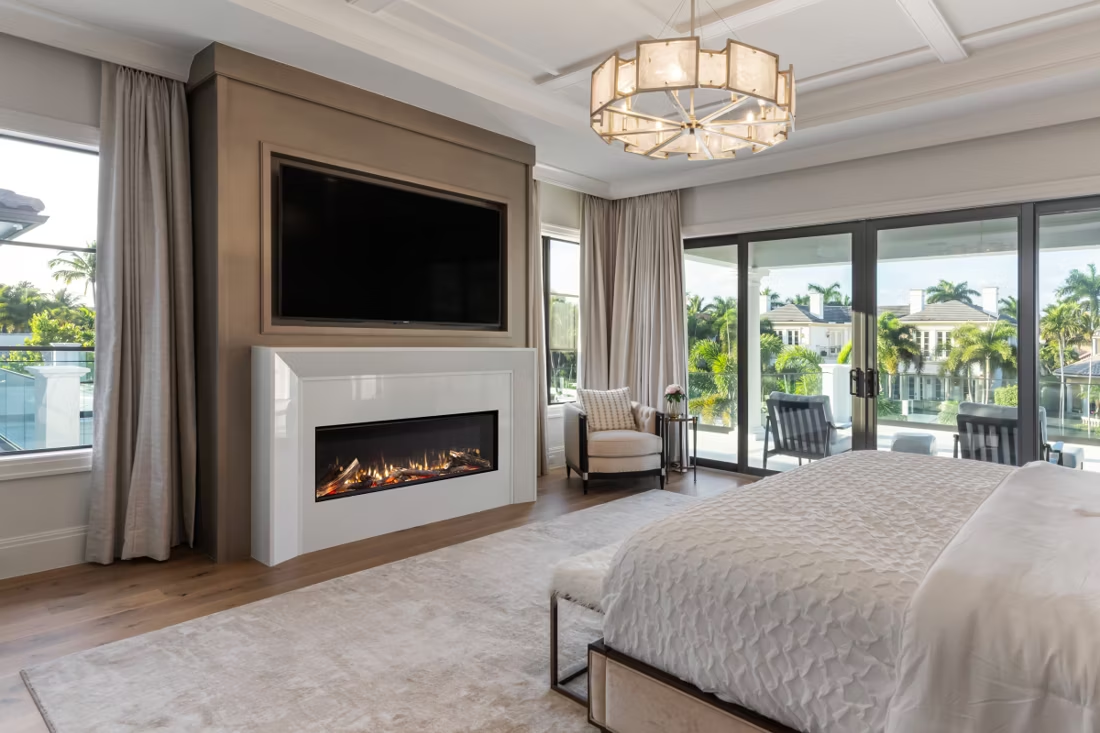
Yes—with an asterisk. Fireplaces are hot and TVs don't like heat. Either put a mantel between them to deflect rising warmth, or choose a fireplace with heat-management technology that creates a cool zone on the wall above—the wall stays around 125 degrees, barely warm, while the room still gets full heat. If you like clean lines and don't want a mantel, heat management is the answer.
Do electric fireplaces actually produce heat?
Yes—most put out around 4,800–5,000 BTUs from a standard outlet, which comfortably warms a bedroom, office, or den as a comfort-zone heater. What they won't do is carry a whole house the way wood, gas, or pellet can. Think of electric as ambiance-first with honest supplemental heat: flames on with no heat in July, flames plus warmth in January.
Can I install a fireplace myself?
If you're putting a fire in your house on purpose, it's best to work with an expert. Unless you're genuinely experienced in framing, gas line, vent pipe, and the national code on clearances to combustibles, have a professional do it—and ideally the same company that sells you the fireplace, so warranty, service, and liability all live under one roof.
How much should I budget for a fireplace?
For an average home—covering the fireplace, the vent pipe, and basic installation—a budget between $3,900 and $5,500 gives you a lot of options across wood, gas, and pellet. By the time you add finish work, gas line, and electrical, the average complete installation lands between $5,000 and $12,000 all-in. In a remodel or new build, a good rule is to put about 2.5% of the total project cost toward the fireplace.
Nearby Dealers
Hearth shops serving Lake Stevens and the surrounding area.
Island Gas Piping & Installations, LLC
Electric Service in Lake Stevens
An electric fireplace's heater draws about 1,500 watts—pennies per hour at local rates.
Puget Sound Energy Inc
Find your electric fireplace in Lake Stevens.
Tell us a bit about your home and we'll put together a free Project Guide & Parts List for your electric fireplace project—matched with a trusted local Lake Stevens dealer.
Find Your Fireplace →