
Electric Heat That Fits Eastmont's Mild, Wet Winters.
No chimney, no smoke, no wood permits—just plug in real ambiance and supplemental warmth for Snohomish County's marine climate. Find the right electric fireplace and connect with a trusted local dealer.
Every Project Starts From One of These Five Situations
A clean fit for a mild, marine climate.
Eastmont sits at just 403 feet in the Puget Sound lowlands of Snohomish County, where winter lows average a relatively mild 37°F and the heating season, while long, is nowhere near as harsh as inland cold-climate cities like Duluth MN or Fargo ND. With a winter heating load a bit above half that of Fargo, most Eastmont homes need supplemental warmth for damp, chilly evenings rather than a primary heat source built to survive sub-zero nights.
That's a big part of why wood and pellet stoves see little demand here—summer wildfire smoke already strains regional air quality, and Snohomish County's suburban lots and covenants make cutting, storing, and burning cordwood impractical for most homeowners. Electric fireplaces fill the gap: no venting, no combustion byproducts, and simple installation through a standard outlet or a dedicated circuit. Puget Sound Energy serves electricity here at roughly 14.6 cents per kWh, making an electric fireplace an efficient, low-maintenance way to add real warmth and ambiance to a room without touching your furnace or worrying about burn-ban restrictions.
Three steps. No salesperson until you're ready.
Tell us about your project
Your zip code, your situation, and the fuel you're leaning toward—or let the answers point you to one.
See what's actually available
The brands dealers within 100 miles genuinely carry—real options, never a catalog mirage.
Get your dealer & Project Guide
A trusted local dealer, plus the free Project Guide & Parts List that names every component of the job.
Frequently Asked Questions
How much does an electric fireplace installation cost in Eastmont?
A basic plug-in electric insert or stove runs $150 to $700 for the unit alone and typically needs no professional installation beyond plugging into an existing outlet. A built-in wall-mounted or recessed electric fireplace, which usually requires a dedicated 20-amp or 240V circuit run by a licensed electrician, runs $1,200 to $4,000 installed in most Eastmont homes depending on unit size and whether framing or a mantel surround is involved. Local retailers can quote a firm number after seeing your wall and electrical panel.
Do I need a permit or dedicated circuit for an electric fireplace in Eastmont?
Plug-in electric fireplaces that use a standard household outlet don't require a permit. Larger built-in units, however, often draw more current than a standard 15-amp circuit can safely handle, so most installers recommend a dedicated circuit run by a licensed electrician. That work requires an electrical permit through Snohomish County—Eastmont is unincorporated, so permitting runs through the county rather than a city building department. A qualified electrician or your hearth retailer's installation crew can pull that permit as part of the job.
Electric vs. gas fireplace—which is right for my Eastmont home?
Natural gas service reaches much of the Eastmont area, and gas fireplaces put out real, substantial heat—enough to serve as a secondary heat source during a cold snap. Electric fireplaces produce less raw heat (usually around 5,000 BTU, roughly equivalent to a space heater) but cost far less to install, require no venting or gas line, and can go anywhere there's an outlet. For Eastmont's mild winters, where the goal is usually ambiance plus supplemental warmth in a single room rather than heating a whole house, electric is often the simpler, lower-cost choice. Homeowners wanting a fireplace as real backup heat, or the look and sound of a true flame, tend to lean gas.
Will an electric fireplace actually heat my home in Eastmont's winters?
Most electric fireplaces top out around 5,000 BTU—enough to comfortably heat a single room of 400 to 1,000 square feet, but not a whole house. Given Eastmont's relatively mild winter lows (averaging 37°F) and marine climate, that's usually plenty for supplemental warmth in a family room, bedroom, or basement, paired with your existing furnace or heat pump for whole-home heating. Homeowners looking to offset a bigger share of their heating bill during a wet Snohomish County winter typically run the fireplace alongside their primary HVAC system rather than expecting it to replace it.
What does it cost to run an electric fireplace in Eastmont?
Puget Sound Energy charges residential customers roughly 14.6 cents per kWh in the Eastmont area. A typical 1,500-watt electric fireplace running on high heat costs about 22 cents an hour to operate—around $1.75 for an 8-hour evening, or roughly $50 a month if run several hours nightly through a Snohomish County winter. Most units let you run the flame effect without the heater engaged, which draws only 30 to 60 watts and costs pennies an hour if you just want ambiance without added heat.
What are my electric fireplace options—insert, wall-mount, or mantel package?
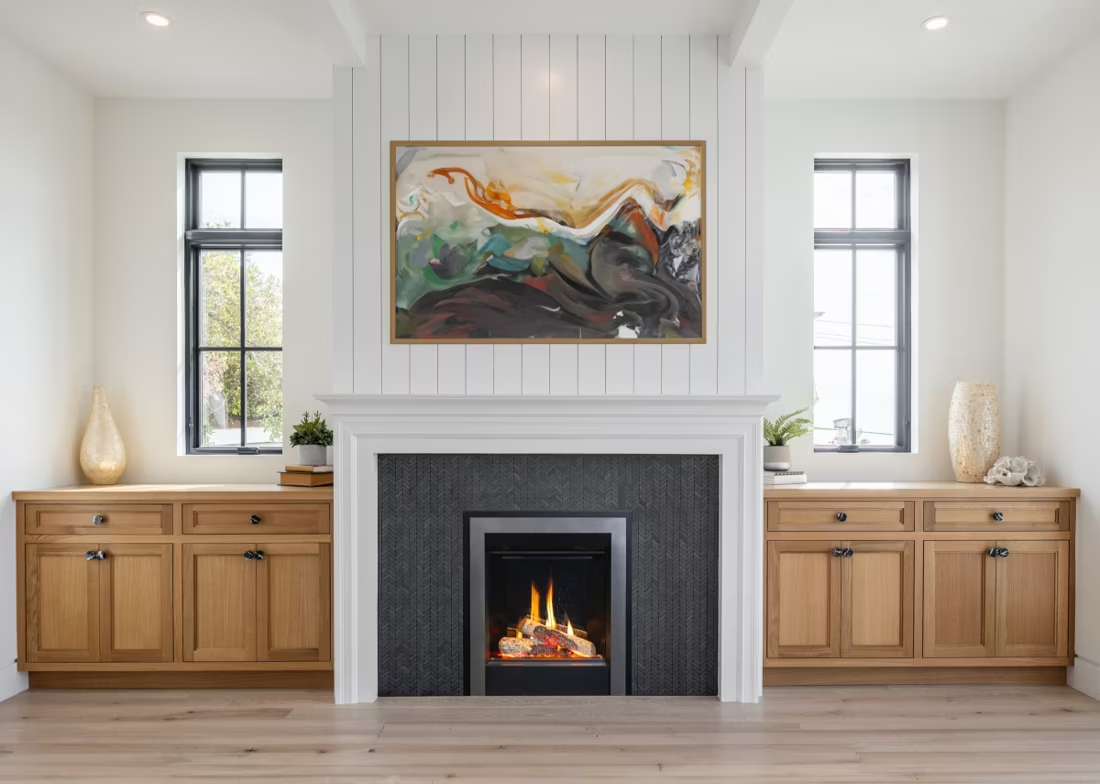
A recessed insert fits into an existing masonry fireplace opening or a framed wall cavity, giving a clean, built-in look. A wall-mount linear unit hangs like a flat-screen TV and works well in modern rooms with no existing fireplace. A mantel package pairs a freestanding or insert unit with a surround and shelf, giving you a traditional fireplace look with zero venting requirements. For Eastmont homes with an existing wood-burning fireplace that's rarely used, converting to an electric insert is a popular way to reclaim the look without the maintenance or smoke concerns of burning wood.
Why don't more homes in Eastmont use wood or pellet stoves?
Wood and pellet stoves are uncommon in Eastmont. The area's mild, wet winters mean most homes don't need the intense heat output a wood stove provides, and Snohomish County's suburban lot sizes and HOA covenants make storing and cutting cordwood impractical for most residents. Summer wildfire smoke is also a growing regional air quality concern, which pushes many homeowners toward smoke-free heating options. A small number of Eastmont-area homeowners with larger, more rural properties still burn wood—Douglas fir, red alder, and lodgepole pine are the regional species, with Forest Service cutting permits available through Mt. Baker-Snoqualmie National Forest for $5 to $20 per cord during the May-to-October season—but electric and gas dominate the local market.
How much maintenance does an electric fireplace need?
Very little. There's no chimney to sweep, no venting to inspect, and no creosote or soot buildup. Maintenance is limited to occasionally dusting the unit, checking the LED flame bulbs (most last 20,000+ hours before needing replacement), and confirming the heater fan and thermostat are working properly. Most quality units carry a manufacturer's warranty of one to three years on parts, and a well-maintained electric fireplace can run reliably for a decade or more with no professional servicing required.
What's the best electric fireplace brand for an Eastmont home?
Look for brands known for realistic flame technology and reliable heating elements—Dimplex, Napoleon, and Amantii are widely available through Pacific Northwest hearth retailers and hold up well under daily use. For a built-in look, a linear unit from one of these brands gives the cleanest install. A local retailer can show you flame technology in person (the difference between a basic LED flicker and a realistic water-vapor or ember-bed display is significant) and confirm which units fit your wall depth and electrical setup before you buy.
Can I put a TV above my fireplace?
Yes—with an asterisk. Fireplaces are hot and TVs don't like heat. Either put a mantel between them to deflect rising warmth, or choose a fireplace with heat-management technology that creates a cool zone on the wall above—the wall stays around 125 degrees, barely warm, while the room still gets full heat. If you like clean lines and don't want a mantel, heat management is the answer.
Do electric fireplaces actually produce heat?
Yes—most put out around 4,800–5,000 BTUs from a standard outlet, which comfortably warms a bedroom, office, or den as a comfort-zone heater. What they won't do is carry a whole house the way wood, gas, or pellet can. Think of electric as ambiance-first with honest supplemental heat: flames on with no heat in July, flames plus warmth in January.
What is an in-home preview and do I need one?
It's a visit where a hearth professional measures your space, confirms the model you picked actually works in your home, and walks the specs—framing, gas line, venting, finish work—before anything is ordered. Some details you just can't know until you see the house. Never make a down payment without one; it's the single most-skipped step that burns buyers.
How much should I budget for a fireplace?
For an average home—covering the fireplace, the vent pipe, and basic installation—a budget between $3,900 and $5,500 gives you a lot of options across wood, gas, and pellet. By the time you add finish work, gas line, and electrical, the average complete installation lands between $5,000 and $12,000 all-in. In a remodel or new build, a good rule is to put about 2.5% of the total project cost toward the fireplace.
Nearby Dealers
Hearth shops serving Eastmont and the surrounding area.
Island Gas Piping & Installations, LLC
Electric Service in Eastmont
An electric fireplace's heater draws about 1,500 watts—pennies per hour at local rates.
Puget Sound Energy Inc
Find your electric fireplace in Eastmont.
Tell us a bit about your home and we'll match you with the right electric fireplace or insert, plus a free Project Guide & Parts List and your recommended local Eastmont-area dealer.
Find Your Fireplace →