
Pellet Heat, Where the Desert Rarely Asks For It.
San Elizario's winters rarely dip low enough to make pellet heat a necessity, but a small number of homeowners still choose it for backup warmth or a real flame without smoke. Here's an honest look, plus how to find a dealer who actually stocks it.
Every Project Starts From One of These Five Situations
San Elizario's mild winters rarely call for pellet heat.
San Elizario sits at 3,638 feet in the lower Rio Grande Valley of far West Texas, in a 3B climate zone where the average winter low is a mild 29°F and the heating season is light, totaling just a fraction of the winter heating load a place like Duluth, Minnesota sees in a single season. Most homes here are built and heated for a hot-summer, mild-winter reality: central gas or electric heat handles the occasional cold snap, and standalone hearth appliances are more often chosen for looks and ambiance than for survival heat.
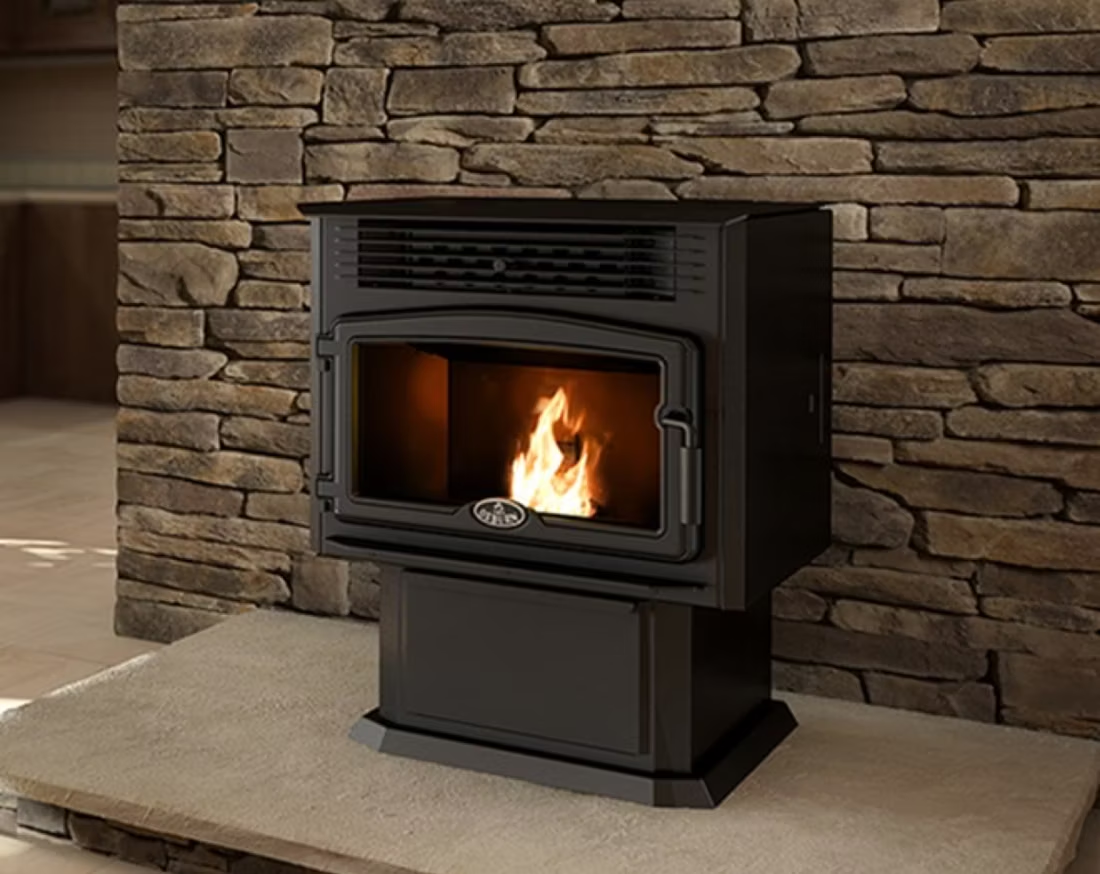
Pellet stoves add another layer of friction locally: El Paso County sits in a designated non-attainment area for air quality, and there simply isn't the dealer density or feed-store pellet supply chain you'd find in a heavier-heating-load region. Regional pellet brands like Forest Energy and Lignetics do reach the area through farm and hardware distributors along the I-10 corridor, and a handful of San Elizario homeowners install pellet stoves anyway—for supplemental warmth in older adobe-style homes, for backup heat during rare hard freezes, or simply because they like the look of a hopper-fed fire more than a gas log set. It's a legitimate choice here, just not a mainstream one, and it's worth going in with clear eyes about supply and service.
Three steps. No salesperson until you're ready.
Tell us about your project
Your zip code, your situation, and the fuel you're leaning toward—or let the answers point you to one.
See what's actually available
The brands dealers within 100 miles genuinely carry—real options, never a catalog mirage.
Get your dealer & Project Guide
A trusted local dealer, plus the free Project Guide & Parts List that names every component of the job.
Frequently Asked Questions
Are pellet stoves actually common in San Elizario?
No, and it's worth saying plainly: with only a light winter heating load each year and winter lows averaging 29°F, most San Elizario homes get by on central gas or electric heat and never install a dedicated wood-pellet appliance. Pellet stoves show up here in smaller numbers than in colder parts of the country—usually in homes wanting supplemental heat for a specific room, backup warmth for rare freeze events, or the aesthetic of a real, glass-front fire without the smoke and ash of a wood stove.
Why don't more homes in the lower valley use pellet stoves?
Two things work against it: climate and infrastructure. El Paso County's mild winters mean most households simply don't have enough heating load to justify a dedicated solid-fuel appliance, and the area is also a designated non-attainment zone for air quality, which makes homeowners and installers more cautious about any combustion appliance. On top of that, there's no dense network of hearth-specialty dealers stocking pellet stoves locally the way you'd find in, say, a mountain town—pellets themselves usually arrive through farm-supply or hardware distributors rather than dedicated hearth shops.
What does a pellet stove installation cost in San Elizario?
Nationally, a pellet stove installation typically runs $3,000 to $6,000, covering the unit, a 3-inch PL vent kit through an exterior wall, and electrical work for the auger and blower. In San Elizario specifically, expect the low end of that range for a simple through-wall install in an existing room, and expect to work with a dealer based out of the greater El Paso metro area, since dedicated hearth retailers are thin on the ground this far south in the county. Ask any dealer up front whether they service San Elizario directly or subcontract the install—that affects both price and turnaround.
Where can I buy pellets in San Elizario?
Don't expect a hearth store on every corner—most pellet supply in this part of El Paso County comes through farm-and-ranch supply stores or hardware distributors carrying regional brands like Forest Energy and Lignetics. Because pellet stoves are uncommon locally, it's worth calling ahead each fall to confirm stock rather than assuming a full pallet will be sitting on the shelf; some owners order a season's supply in advance or arrange delivery from a distributor in El Paso proper.
Can a pellet stove serve as backup heat during a power outage?
Not on its own—pellet stoves need electricity to run the auger and combustion blower, so a power outage shuts them down just like central heat does. That matters here: El Paso Electric and Rio Grande Electric Cooperative both serve parts of the county, and while outages are infrequent, the February 2021 winter event showed even this region isn't immune to hard freezes and grid strain. If backup heat during an outage is the goal, pair a pellet stove with a small battery backup or generator, or consider that a wood-burning appliance (though also uncommon locally) doesn't share this dependency.
Do I need a permit to install a pellet stove in San Elizario?
Yes—a through-wall vent installation and any related electrical work typically requires a building permit through the El Paso County Building Permits Office, since San Elizario itself doesn't maintain a separate building department for most residential construction. The permit process is usually straightforward for a pellet stove compared to a masonry chimney project; most installers can walk you through what's needed or pull the permit on your behalf.
Pellet vs. gas—which makes more sense in San Elizario?
For most San Elizario homes, gas wins on practicality: natural gas and propane appliances need no fuel storage, no hopper refilling, and no ash cleanup, and gas fuel relevance is standard throughout the area versus the niche status of pellet. Pellet holds its own if you specifically want the look and feel of a real, visible fire with a hopper you load every day or two, or if you like the idea of a fuel source that isn't tied to a utility bill. Given the area's mild heating load, either option is more likely to be chosen for ambiance and occasional use than for carrying the whole home through winter.
Pellet vs. wood—does either really make sense here?
Both are genuinely niche choices in San Elizario. The area's oak, pecan, and mesquite are prized locally for grilling and smoking far more than for home heating, and both wood and pellet appliances are used less here than almost anywhere else in the country, partly due to the mild climate with its light winter heating load and partly because El Paso County's non-attainment air quality status makes solid-fuel combustion a more scrutinized choice. If you're set on a solid-fuel appliance, pellet burns cleaner and more consistently than cordwood and doesn't require a wood supply—a real advantage in a region where firewood culture is thin.
Can I still get a quality pellet stove installed in San Elizario if I want one?
Yes—it just takes matching with the right dealer rather than walking into a local shop. Find My Fireplace can connect you with a trusted dealer serving the greater El Paso area who actually installs pellet appliances regularly, sizes the vent kit correctly for your wall and room, and knows the county permitting process. We'll also send over a free Project Guide & Parts List so you know exactly what the job requires—unit, vent kit, and electrical—before a single quote comes in.
What's the difference between an insert and a zero-clearance fireplace?
An insert is a fireplace that slides into a pre-existing wood-burning fireplace—if you don't have one, there's nothing to insert it into. A zero-clearance fireplace is built into a framed wall, which makes it the answer for remodels and new construction. Simple test: existing masonry fireplace means insert; blank or framed wall means zero-clearance.
Why is a fireplace insert so efficient?
An insert does two things: it seals the chimney completely, so you stop losing air you already paid to heat, and it radiates warmth into the room through the firebox and glass. Most add a heat-exchange fan that pulls cool room air underneath, wraps it around the hot firebox, and pushes it back out warm. Your home is more efficient before you've even lit the first fire.
Can I install a fireplace myself?
If you're putting a fire in your house on purpose, it's best to work with an expert. Unless you're genuinely experienced in framing, gas line, vent pipe, and the national code on clearances to combustibles, have a professional do it—and ideally the same company that sells you the fireplace, so warranty, service, and liability all live under one roof.
Does a fireplace add value to my home?
On average, a fireplace adds back to the home about the same amount you spent installing it. Add the monthly savings from heating the rooms you actually use instead of the whole house—often hundreds of dollars a year—and the value case is strong before you even count what a fire does for how your family uses the room.
Nearby Dealers
Hearth shops serving San Elizario and the surrounding area. Every listing shows whether it is a WhyFire partner, a dealer we have verified as authorized for the brands we recommend, or a local business carrying hearth products. No manufacturer pays for placement. How we verify dealers →
Southwest Chimney Sweeps Inc
Jack White Building Specialties
K.d. Scholten Co.
Hi Tech Home Services
Pellet Brands Stocked Around San Elizario
Manufacturers will point you to the nearest stocking dealer.
See If Pellet Heat Makes Sense for Your San Elizario Home.
Tell us about your home and we'll be straight with you about whether pellet is the right fit—then match you with a trusted regional dealer and send a free Project Guide & Parts List for your project.
Find Your Fireplace →