
Electric heat that works anywhere the wiring reaches.
No gas line, no chimney, no cutting permit—just a dedicated circuit and a unit that fits the room. For homes scattered across Roberts County's ranch and farm country, that simplicity matters. Find the right electric fireplace and connect with a trusted local dealer.
Every Project Starts From One of These Five Situations
The easiest heat upgrade for one of the most spread-out counties in Texas.
Roberts County is home to fewer than 500 people spread across roughly 900 square miles of Panhandle wheat and cattle country, with the county seat of Miami serving as the only real town. Homes here tend to be ranch houses and farmhouses set well back from the highway, often without natural gas service and sometimes far enough from a propane supplier's regular route that fuel delivery takes planning. An electric fireplace sidesteps that entirely—it runs off the same North Plains Electric Cooperative service that already powers the house, with no trench for a gas line and no chimney to maintain.
Climate zone 4B means Roberts County sees real winter cold—hard freezes, biting wind off the flat Panhandle terrain, and stretches where the wind chill matters more than the thermometer—but not the sustained sub-zero nights you'd get in a place like Bismarck, ND. That makes electric a practical supplemental heat source here: it warms a living room or bunkhouse fast, doesn't require venting through a wall or roof, and can go into a mobile home, a converted outbuilding, or a mantel in an older farmhouse without any structural work. Most Roberts County homeowners pair it with a primary heat source—central propane furnace or a wood stove burning local oak, pecan, or mesquite—rather than relying on it alone.
Three steps. No salesperson until you're ready.
Tell us about your project
Your zip code, your situation, and the fuel you're leaning toward—or let the answers point you to one.
See what's actually available
The brands dealers within 100 miles genuinely carry—real options, never a catalog mirage.
Get your dealer & Project Guide
A trusted local dealer, plus the free Project Guide & Parts List that names every component of the job.
Frequently Asked Questions
How much does an electric fireplace cost to install in Roberts County?
A plug-in electric fireplace or insert runs $300 to $1,500 including a licensed electrician setting up a dedicated 120-volt circuit, which is often all that's needed since most units draw around 1,500 watts—well within what North Plains Electric Cooperative's rural service can handle without upgrades. A built-in electric fireplace set into a wall or custom mantel, with framing and finish work, typically runs $1,500 to $3,000. Because there's no venting, chimney, or gas line involved, electric is consistently the least expensive fireplace option to install anywhere in the county, including out on more remote ranch properties.
Do I need a permit to install an electric fireplace in Roberts County?
In most cases, no. A freestanding or plug-in electric fireplace that runs off a standard outlet typically doesn't trigger a building permit requirement in Roberts County since there's no venting, gas line, or structural chimney work involved. If you're having a built-in unit wired to a new dedicated circuit, your electrician will pull an electrical permit as part of that work—standard practice anywhere in Texas. There's no cutting permit or air-quality consideration to worry about, since electric units don't burn anything and Roberts County has no reported air quality concerns to begin with.
Will an electric fireplace keep working during a power outage?
No—and this is worth planning around in a county this rural. Roberts County is served by North Plains Electric Cooperative, and while the co-op's rural lines are generally well maintained, Panhandle ice storms and high-wind events do occasionally knock out power for hours or longer, especially on lines serving outlying ranch properties. An electric fireplace goes dark right along with everything else in the house. Many Roberts County homeowners treat electric as their everyday, no-mess heat source and keep a wood stove or propane appliance on hand as backup for when the grid goes down—a wood stove burning local oak or mesquite will outlast any outage.
Electric vs. propane fireplace—which makes more sense out here?
Since natural gas service doesn't reach most of Roberts County, propane is the main alternative to electric for a fireplace that produces real heat. Propane units require a tank, a gas line run, and periodic delivery from a regional supplier—real cost and real logistics for a ranch property that might sit a half-hour from town. Electric skips all of that and runs off the wiring already in the house, but won't function without power and isn't meant to carry a whole home through a hard freeze. For a den, bunkhouse, or a secondary living space where ambiance and quick supplemental warmth matter more than backup heat, electric is usually the simpler, cheaper answer. For a primary heat source in an outbuilding without central heat, propane still wins.
What size electric fireplace do I need?
Most electric fireplaces top out around 5,000 BTU regardless of size, which is enough to noticeably warm a single room of 400 to 1,000 square feet but won't heat a whole ranch house on its own. For a large living area or an open-concept farmhouse layout common in Roberts County, look at wider units (50 inches or more) that push more visible flame and airflow across the room, or consider running two smaller units in separate zones rather than one oversized unit. A local dealer can size the right unit based on your room's dimensions and ceiling height during a quick consultation.
What's the difference between an electric insert and a wall-mounted or freestanding unit?
An electric insert is built to slide into an existing masonry fireplace opening—a common retrofit for older Roberts County farmhouses that have a wood-burning fireplace that's fallen out of use. A wall-mounted unit installs flush or recessed into a wall like a flat-screen TV, popular in newer construction or remodels. A freestanding electric stove or mantel unit needs no structural modification at all and can be moved if you relocate. For a rental property, a leased ranch house, or a home where you don't want to touch the existing chimney, freestanding or insert options are the least invasive.
Are electric fireplaces safe for a home with kids or pets?
Generally yes, and it's one of the strongest arguments for electric in a rural family home. Most models produce a flame effect using LED light and a heating element that stays cool enough to touch, unlike a wood stove's hot surface or a gas unit's glass front. There's no open flame, no combustion byproducts, and no risk of chimney fire or creosote buildup—a real consideration in Roberts County where the nearest fire department response can take longer than in town. Look for units with a tip-over shut-off switch if you're placing one in a high-traffic area.
Where can I find a dealer or installer near Roberts County?
With a population under 500 spread across the county, there's no hearth retailer based in Miami itself—most homeowners work with dealers out of Pampa, Perryton, or Amarillo who cover the wider Texas Panhandle, including Roberts County's ranch and farm properties. A reputable dealer will handle delivery and, if needed, coordinate with a local licensed electrician for circuit work. Find My Fireplace matches you with a trusted dealer that actually services this part of the Panhandle, rather than one that will balk at the drive.
How much maintenance does an electric fireplace need?
Very little compared to wood or propane. There's no chimney to sweep, no gas line to inspect, and no ash or creosote to deal with. Periodically dust the vents and the heating element's intake, and replace LED lights if the unit uses replaceable bulbs—most modern units use long-life LEDs that outlast the appliance itself. Because there's no combustion, there's also no CSIA inspection or annual service call required the way there is for a wood stove or propane fireplace, which is one more reason electric appeals to homeowners managing a larger property with plenty of other things to maintain.
Can I put a TV above my fireplace?
Yes—with an asterisk. Fireplaces are hot and TVs don't like heat. Either put a mantel between them to deflect rising warmth, or choose a fireplace with heat-management technology that creates a cool zone on the wall above—the wall stays around 125 degrees, barely warm, while the room still gets full heat. If you like clean lines and don't want a mantel, heat management is the answer.
Does an electric fireplace need a vent or chimney?
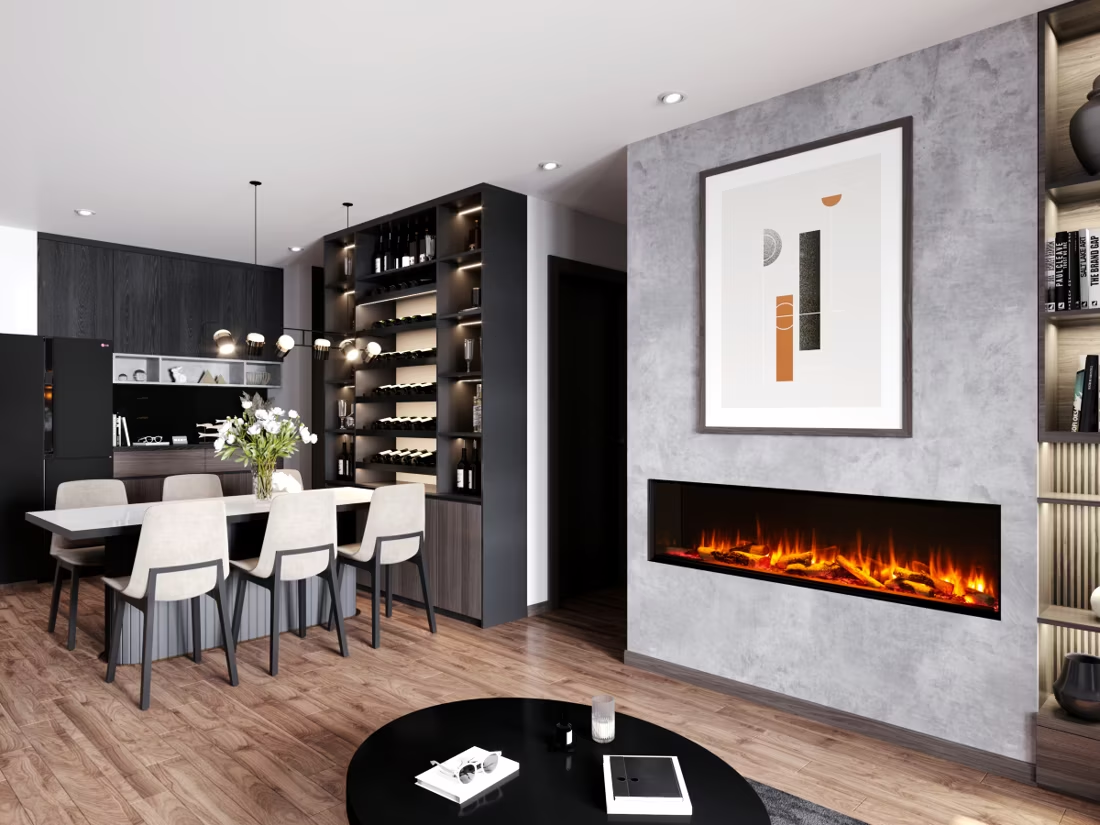
No—that's its superpower. An electric fireplace needs a wall and an outlet, period. No vent pipe, no gas line, no clearances to design around, which is why it works in bedrooms, offices, apartments, and walls where venting a gas or wood unit would be impractical or impossible. Installation is typically the simplest and least expensive of any fireplace type.
Does a fireplace add value to my home?
On average, a fireplace adds back to the home about the same amount you spent installing it. Add the monthly savings from heating the rooms you actually use instead of the whole house—often hundreds of dollars a year—and the value case is strong before you even count what a fire does for how your family uses the room.
Can I install a fireplace myself?
If you're putting a fire in your house on purpose, it's best to work with an expert. Unless you're genuinely experienced in framing, gas line, vent pipe, and the national code on clearances to combustibles, have a professional do it—and ideally the same company that sells you the fireplace, so warranty, service, and liability all live under one roof.
Stove and Fireplace Dealers in Roberts County
Listings include WhyFire partner dealers, dealers we have verified as authorized for the brands we recommend, and established local businesses that carry hearth products. Every listing shows which one it is. The ones marked Preferred run on WhyFire's software, so they can show you real pricing and book your appointment right here. No manufacturer pays for placement. How we verify dealers →
West Texas Brick
Reid's Appliance Services
Panhandle Outdoor Living & Fireplaces
Boyd's Equipment
Find your electric fireplace in Roberts County.
Tell us about your home and we'll match you with the right electric fireplace or insert, plus a free Project Guide & Parts List and a trusted local dealer who actually covers this part of the Panhandle.
Find Your Fireplace →