
Ambiance and heat, without the Gulf Coast humidity problem.
With just 1,032 heating degree days and mild Calhoun County winters, electric is the low-hassle way to add a fireplace to a Port Lavaca home. Find the right unit and get matched with a trusted local dealer.
Every Project Starts From One of These Five Situations
A climate built for supplemental heat, not survival heat.
Port Lavaca sits at 17 feet above sea level on Lavaca Bay, in climate zone 2A, where the average winter low hovers around 46°F and hard freezes are the exception rather than the rule. That's a world away from places like Fargo, ND or Duluth, MN, where a heating system has to run for months straight. Here, the appeal of an electric fireplace has almost nothing to do with keeping a house from freezing and almost everything to do with ambiance, zone comfort on the occasional cold front, and simple, no-venting installation.
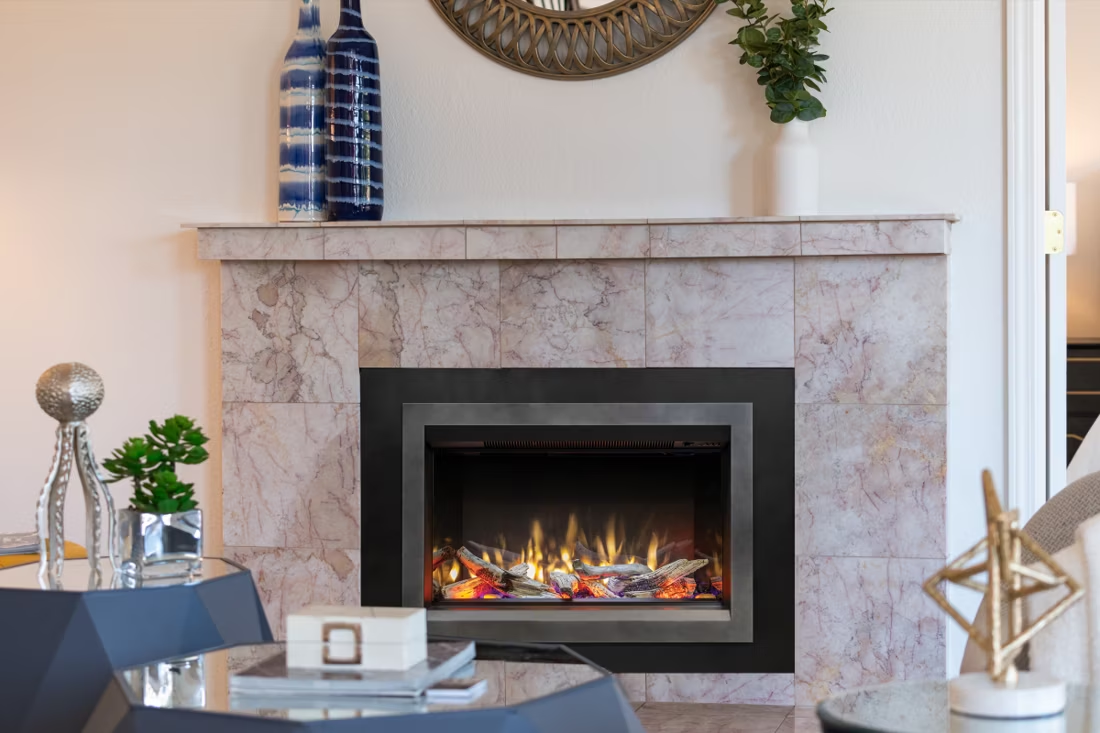
Because electric units plug into existing household wiring or a dedicated 120V/240V circuit, there's no chimney, no gas line, and no combustion byproducts to vent—which matters in a humid coastal town where masonry and metal venting take a beating from salt air. Local electric service comes from AEP Texas Central Company, Victoria Electric Cooperative, or Jackson Electric Cooperative depending on where in Calhoun County you're located, and at residential rates in the $0.12–$0.13 per kWh range, running a 1,500-watt insert for a few hours on a cool evening costs pennies. For most Port Lavaca homeowners, an electric fireplace is a design upgrade with a side benefit of light supplemental heat—not a primary heating decision.
Three steps. No salesperson until you're ready.
Tell us about your project
Your zip code, your situation, and the fuel you're leaning toward—or let the answers point you to one.
See what's actually available
The brands dealers within 100 miles genuinely carry—real options, never a catalog mirage.
Get your dealer & Project Guide
A trusted local dealer, plus the free Project Guide & Parts List that names every component of the job.
Frequently Asked Questions
How much does an electric fireplace installation cost in Port Lavaca?
Most electric fireplace projects in Port Lavaca run $400 to $1,200 installed. A plug-in insert or wall-mount unit that uses an existing standard outlet sits at the low end—often just the cost of the unit plus mounting. Built-in models that need a dedicated 240V circuit run higher, mainly for the electrician's time to run new wiring from the panel. Because there's no chimney, no gas line, and no venting to size, electric is consistently the least expensive fireplace fuel to install on the Texas Gulf Coast.
Do I need a permit to install an electric fireplace in Calhoun County?
In most cases, no separate fireplace permit is required for a plug-in or insert-style electric unit—it's treated like any other appliance. If your installer needs to add a new dedicated circuit or subpanel work to support a built-in unit, that electrical work typically falls under standard electrical permitting through the local building department, and a licensed electrician handles the paperwork. Ask your local dealer whether your specific unit and installation type triggers a permit before work begins.
Is an electric fireplace enough heat for a Port Lavaca home?
For this climate, yes—as supplemental heat. With only about 1,032 heating degree days a year and winter lows averaging in the mid-40s, most Port Lavaca homes rely on a central HVAC heat pump for the handful of genuinely cold days, with an electric fireplace covering room-level comfort the rest of the season. A typical 1,500-watt electric insert puts out roughly 5,000 BTUs, enough to noticeably warm a living room or bedroom on a 40-degree evening, but it's not sized to be a whole-home heating source the way it might be in a colder climate.
Why would I choose electric over gas in Port Lavaca?
Gas is a strong option here too, particularly for homeowners who want a more realistic flame and higher heat output for the occasional Gulf cold front. Electric wins on installation simplicity—no gas line, no venting, and a cost as low as a few hundred dollars for a plug-in unit—and it's the better fit for apartments, rentals, or rooms where running new gas or venting isn't practical. Electric units also run without any combustion, which some homeowners prefer for allergy or air-quality reasons even though air quality isn't a concern locally. If a realistic fire experience matters more than installation cost, gas is worth a look; if simplicity and low upfront cost matter more, electric usually wins.
What does an electric fireplace cost to run in Port Lavaca?
At Port Lavaca's residential electric rates—roughly $0.1213 per kWh with AEP Texas Central and around $0.1342 per kWh with Victoria Electric Cooperative—a typical 1,500-watt electric fireplace costs about 15 to 20 cents per hour to run on heat mode. Left on for a few hours most evenings during the cooler months (roughly November through February here), that adds up to somewhere in the $10 to $25 range per month, far less than most homeowners expect. Ambiance-only mode, with the heater off, costs a fraction of that.
Are wood or pellet stoves an option in Port Lavaca instead?
They're technically possible but genuinely uncommon here. Calhoun County's mild, humid Gulf Coast climate—average winter lows near 46°F and just over 1,000 heating degree days a year—doesn't create the sustained cold that makes wood or pellet heat practical, and oak, pecan, and mesquite firewood, while available regionally, is mostly used for smoking and grilling rather than home heating. A small number of homeowners install a wood stove for aesthetic reasons or occasional use, but it's not something local hearth dealers stock or promote as a heating solution the way electric and gas units are.
Can an electric fireplace be installed into an existing masonry fireplace?
Yes—electric fireplace inserts are one of the most common ways to update an older masonry fireplace in Port Lavaca's coastal housing stock, where salt-air exposure can be tough on chimneys and metal flues over the years. An electric insert slides into the existing firebox opening, plugs into a nearby outlet (or a new dedicated circuit if the unit requires more power), and eliminates the need to maintain an open chimney altogether. It's a popular option for older homes near the bay where chimney repair would otherwise be a recurring cost.
How long does an electric fireplace installation take?
A straightforward plug-in insert or wall-mount unit can often be installed in under an hour once it's on site. Built-in units requiring new electrical circuit work typically take a half-day to a full day, depending on how far the unit is from the electrical panel and whether any wall or cabinetry work is involved. Because there's no venting or masonry work to schedule, electric installations in Port Lavaca are generally the fastest of any fireplace fuel type—most local dealers can turn around a project within a week or two of the initial consultation.
Will an electric fireplace work during a power outage?
No—electric fireplaces require power to run, so they won't operate during an outage, which is worth planning around given Port Lavaca's exposure to tropical storm season and occasional grid disruptions along the Gulf Coast. If backup heat during outages matters to you, a gas unit with a battery-backup or self-powered ignition system is worth discussing with a local dealer as either a primary or secondary fireplace. Many coastal homeowners here pair an electric fireplace for everyday ambiance with a gas unit or portable propane heater as their outage backup.
Can I put a TV above my fireplace?
Yes—with an asterisk. Fireplaces are hot and TVs don't like heat. Either put a mantel between them to deflect rising warmth, or choose a fireplace with heat-management technology that creates a cool zone on the wall above—the wall stays around 125 degrees, barely warm, while the room still gets full heat. If you like clean lines and don't want a mantel, heat management is the answer.
Do electric fireplaces actually produce heat?
Yes—most put out around 4,800–5,000 BTUs from a standard outlet, which comfortably warms a bedroom, office, or den as a comfort-zone heater. What they won't do is carry a whole house the way wood, gas, or pellet can. Think of electric as ambiance-first with honest supplemental heat: flames on with no heat in July, flames plus warmth in January.
Does a fireplace add value to my home?
On average, a fireplace adds back to the home about the same amount you spent installing it. Add the monthly savings from heating the rooms you actually use instead of the whole house—often hundreds of dollars a year—and the value case is strong before you even count what a fire does for how your family uses the room.
Can I install a fireplace myself?
If you're putting a fire in your house on purpose, it's best to work with an expert. Unless you're genuinely experienced in framing, gas line, vent pipe, and the national code on clearances to combustibles, have a professional do it—and ideally the same company that sells you the fireplace, so warranty, service, and liability all live under one roof.
Nearby Dealers
Hearth shops serving Port Lavaca and the surrounding area. Every listing shows whether it is a WhyFire partner, a dealer we have verified as authorized for the brands we recommend, or a local business carrying hearth products. No manufacturer pays for placement. How we verify dealers →
Kitchen & Bath Showplace
Victoria Builder Supply Co Inc.
The Design Haus Of Victoria
Electric Service in Port Lavaca
An electric fireplace's heater draws about 1,500 watts—pennies per hour at local rates.
Aep Texas Central Company
Victoria Electric Coop, Inc
Jackson Electric Coop, Inc - (Tx)
Find your electric fireplace in Port Lavaca.
Tell us a bit about your home and we'll put together a free Project Guide & Parts List for your Port Lavaca electric fireplace project, matched with a trusted local dealer who can install it right.
Find Your Fireplace →