
Find the right electric fireplace for your Kimble County home.
Mild Hill Country winters along the South Llano River mean most Kimble County homes want supplemental warmth and ambiance, not a full heating system. Find the right unit and connect with a trusted local dealer.
Every Project Starts From One of These Five Situations
Mild winters, straightforward heat.
Kimble County sits in the Texas Hill Country along the South Llano and Llano rivers, with Junction as the county seat and a population under 2,500. This is climate zone 3B—average winter lows sit around 34°F and the county has one of the shortest, mildest heating seasons on our list. Wood heat has deep roots here (oak, pecan, and mesquite are the local standbys for campfires and outdoor cooking), but for indoor heating, most homes and ranch houses need something far less intensive than a full wood or gas system most of the winter.
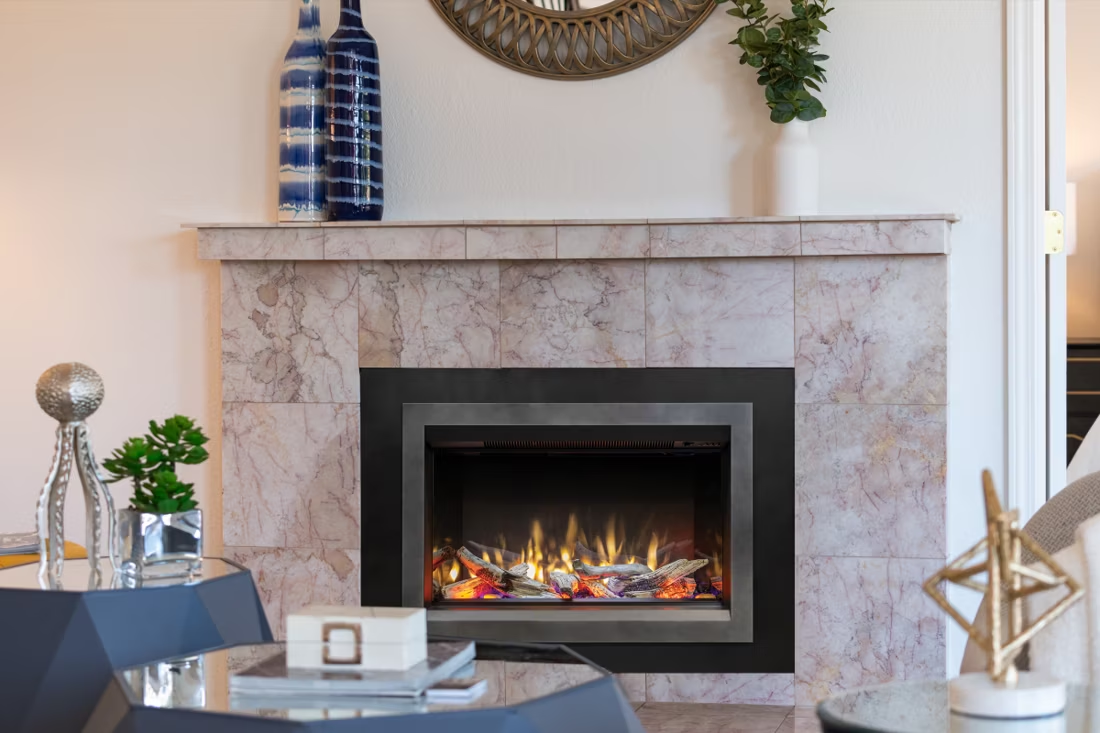
That's where electric fireplaces fit well. There's no chimney to build, no venting to run, and no gas line to plumb—which matters in a rural county where many properties are ranch houses, manufactured homes, or hunting cabins used seasonally around deer season. Kimble Electric Cooperative serves power throughout the county, and a electric fireplace or insert draws on a standard or dedicated circuit to add real, immediate warmth to a bedroom, den, or lodge great room without altering the structure. For older Junction-area homes with an existing masonry fireplace that's fallen out of use, an electric insert is often the simplest way to bring it back to life safely, with no chimney maintenance required.
Three steps. No salesperson until you're ready.
Tell us about your project
Your zip code, your situation, and the fuel you're leaning toward—or let the answers point you to one.
See what's actually available
The brands dealers within 100 miles genuinely carry—real options, never a catalog mirage.
Get your dealer & Project Guide
A trusted local dealer, plus the free Project Guide & Parts List that names every component of the job.
Frequently Asked Questions
How much does an electric fireplace installation cost in Kimble County?
Plug-in electric fireplaces and freestanding stoves are the least expensive option, often installed for under $500 once you factor in the unit and a basic outlet check—no dedicated wiring required in many cases. Built-in wall units, mantel packages, and electric inserts that replace an existing masonry firebox typically run $800 to $2,000 installed, depending on the size of the unit and whether a licensed electrician needs to run a dedicated 120V or 240V circuit. Because Kimble County is largely rural with older housing stock, older ranch homes sometimes need a panel or wiring update before a larger built-in unit can be added—your local dealer will flag that during an in-home look.
What's the difference between an electric insert, electric stove, and built-in electric fireplace?
An electric insert is sized to slide into an existing masonry firebox—a common fit for older Junction-area homes that have a fireplace but no longer burn wood in it regularly. An electric stove is a freestanding unit styled like a traditional wood stove, useful in a cabin or lodge where you want the look without any venting. A built-in electric fireplace is designed to be framed into a wall during a remodel or new build, giving you a flush, linear look. All three plug into standard household power or a dedicated circuit—none require a chimney, gas line, or venting of any kind.
Do electric fireplaces actually produce real heat, or are they just for looks?
Most electric fireplaces include a built-in heater—typically around 1,500 watts—that will comfortably warm a single room, which is exactly the kind of supplemental heat that fits Kimble County's mild climate. With one of the shortest heating seasons around and average winter lows near 34°F, a central heat pump or furnace usually handles the bulk of the load, and an electric fireplace covers the shoulder-season chill or adds zone heat to a den or bedroom without running the whole system. Many models also let you run the flame effect with the heater off, which is useful during the long stretches of the year when Kimble County doesn't need extra heat at all.
Do I need a permit to install an electric fireplace in Kimble County?
A simple plug-in electric fireplace or stove that uses an existing outlet generally doesn't require a permit. If you're adding a built-in unit that needs a new dedicated circuit or a panel upgrade, that electrical work should be pulled by a licensed electrician and typically requires an electrical permit—Junction handles permitting within city limits, while unincorporated parts of the county follow the state electrical code with less formal oversight. Because there's no combustion, venting, or chimney involved, electric installations are by far the least permit-intensive option of any fuel type in the county.
Electric vs. wood—which makes more sense for a Kimble County ranch house or hunting cabin?
Wood is still the traditional choice for many Hill Country properties—oak, pecan, and mesquite are all locally available, and a wood stove works fine without power, which matters at a remote cabin. But for hunting leases and lodges that see seasonal, sometimes unattended use, electric has real advantages: no ash, no chimney to inspect between visits, no fire risk from an untended flue, and no smoke smell lingering in the lodge for renters or guests. For a primary residence in Junction where someone is home daily, either fuel works well; for a camp house that sits empty for weeks at a time between deer season weekends, electric is often the lower-maintenance choice.
What's the best type of electric fireplace for Kimble County's climate?
Because Kimble County's winters are short and mild, prioritize a unit with adjustable heat output and an ambiance-only mode over one built for maximum BTU output. For an older home with an unused masonry firebox, an electric insert with a realistic LED flame effect is a popular, low-disruption upgrade. For a hunting lodge or cabin, a freestanding electric stove is easy to relocate or turn off entirely between visits. Local dealers can walk through wattage and room size together, but given how short and mild the heating season is here, oversizing for heat output matters far less than in colder parts of the state.
How much does it cost to run an electric fireplace with Kimble Electric Cooperative service?
A typical 1,500-watt electric fireplace running on high costs a few cents to roughly 20–25 cents per hour depending on current Kimble Electric Cooperative rates, and far less when run on flame-only or low-heat settings. Because Kimble County's heating season is short, most households run these units for supplemental warmth on cold mornings and evenings rather than continuously, which keeps the added cost to the electric bill modest compared to running a furnace longer than necessary.
Are electric fireplaces safe for cabins and manufactured homes along the South Llano River?
Yes—electric fireplaces are one of the safer heating options for seasonal cabins, manufactured homes, and rental properties common along the South Llano and Llano rivers. There's no open flame, no combustion byproducts, and no chimney to maintain or inspect between uses, which matters for a property that might sit vacant for stretches between weekend or hunting-season visits. Most units also run cool to the touch on the housing, an advantage for cabins used by families with kids or pets. Check the manufacturer's clearance-to-combustibles specs for the specific model, since they vary slightly by unit.
Electric vs. propane—which is right if I don't have natural gas service?
Like most of rural Kimble County, natural gas utility lines are limited, so the practical gas alternative is propane, which requires a tank, periodic refills, and a supplier relationship. Electric fireplaces skip all of that—no tank, no delivery schedule, no fuel storage on the property—which is appealing for a second home or hunting property where nobody wants to manage a propane account. Propane fireplaces do produce more heat output and can run during a power outage, which matters if outages are a concern on your stretch of the grid. For most supplemental and ambiance use in this climate, electric is simpler; for a property that needs backup heat during outages, propane is worth a look too.
Can I put a TV above my fireplace?
Yes—with an asterisk. Fireplaces are hot and TVs don't like heat. Either put a mantel between them to deflect rising warmth, or choose a fireplace with heat-management technology that creates a cool zone on the wall above—the wall stays around 125 degrees, barely warm, while the room still gets full heat. If you like clean lines and don't want a mantel, heat management is the answer.
How much does an electric fireplace cost to run?
With the heater on, a typical unit draws about 1,500 watts—at average electric rates that's roughly 20 cents an hour. Run the flame effect alone and it costs pennies; the flames are LED-driven and use about as much power as a light bulb. There's no pilot light, no fuel delivery, and essentially no maintenance.
Can I install a fireplace myself?
If you're putting a fire in your house on purpose, it's best to work with an expert. Unless you're genuinely experienced in framing, gas line, vent pipe, and the national code on clearances to combustibles, have a professional do it—and ideally the same company that sells you the fireplace, so warranty, service, and liability all live under one roof.
Can a fireplace actually lower my heating bill?
Yes—by creating a comfort zone. A furnace heats every square foot of the house just to warm the one room you're in; a gas fireplace on low burns roughly a sixth of the gas a typical furnace does. Set the furnace around 55–60 degrees as a baseline, then heat the rooms your family actually uses. Families who heat this way commonly save $20–$60 a month.
Stove and Fireplace Dealers in Kimble County
Listings include WhyFire partner dealers, dealers we have verified as authorized for the brands we recommend, and established local businesses that carry hearth products. Every listing shows which one it is. The ones marked Preferred run on WhyFire's software, so they can show you real pricing and book your appointment right here. No manufacturer pays for placement. How we verify dealers →
Schilling Fireplace & Wood Stoves
Fredericksburg Overhead Door
Find your electric fireplace in Kimble County.
Tell us a bit about your home or cabin and we'll match you with the right electric fireplace, insert, or stove, plus a free Project Guide & Parts List with the exact parts and a recommended local dealer near Junction.
Find Your Fireplace →