
Find the right gas fireplace for your Erath County home.
Mild winters, real cold snaps, and a lot of ranch land in between—Erath County homes use gas heat differently than the northern plains. I'll match you with a trusted local dealer who knows what actually works here.
Every Project Starts From One of These Five Situations
Ambiance most nights, real heat when the front comes through.
Erath County sits in climate zone 3A with a mild, short heating season and an average winter low near 31°F—a far cry from a place like Fargo, ND, where furnaces run around the clock for months. Around Stephenville, Dublin, and the ranch country that makes up most of the county, winter means a handful of real cold snaps in the 20s mixed with plenty of mild, 50-degree evenings. That's exactly the profile where a gas fireplace shines: instant on-off heat and glass-front glow for daily ambiance, with genuine BTU output ready when an arctic blast rolls down from the panhandle.
In-town homes around Stephenville and Tarleton State University typically have access to piped natural gas, while most of the county's dairy farms and ranch properties run on propane, delivered and stored on-site. Either fuel works fine for a modern gas fireplace or insert—your local dealer will set the unit up for whichever you have. And because oak, pecan, and mesquite are so plentiful from routine ranch land clearing, plenty of Erath County homes still keep a wood-burning option in the mix alongside a gas unit for the main living space.
Three steps. No salesperson until you're ready.
Tell us about your project
Your zip code, your situation, and the fuel you're leaning toward—or let the answers point you to one.
See what's actually available
The brands dealers within 100 miles genuinely carry—real options, never a catalog mirage.
Get your dealer & Project Guide
A trusted local dealer, plus the free Project Guide & Parts List that names every component of the job.
Frequently Asked Questions
How much does a gas fireplace installation cost in Erath County?
Most gas fireplace and insert installations in Erath County run somewhere between $3,500 and $9,500, depending on the unit, whether you're converting an existing wood fireplace, and whether new gas line work is needed. A gas insert dropped into an existing masonry fireplace with a gas line already nearby sits toward the lower end. A new direct-vent fireplace in a remodel, or a job that requires running a fresh line from a propane tank or the street, pushes toward the higher end. Rural properties outside Stephenville sometimes see a modest travel charge added by installers, and propane tank setup (if you don't already have one) is a separate cost through a local propane supplier.
Can I convert my existing wood fireplace to gas?
Yes, and it's a common project for older homes around Stephenville and Dublin with an existing masonry fireplace. A gas insert typically runs through your existing chimney with a stainless liner, which keeps the exterior look of the fireplace while adding instant, thermostat-controlled heat. Homes already on natural gas near town are usually the simplest conversions; propane conversions on rural properties need either an existing tank or a new one set by a local propane company. Either way, your dealer will confirm the chimney is in good enough shape to accept a liner before quoting the job.
Do I need natural gas, or can I run a gas fireplace on propane?
Both work, and which one you use mostly comes down to where your property sits. Homes inside Stephenville and close-in areas often have piped natural gas already serving the water heater or range, which makes adding a fireplace straightforward. Out on the ranch and dairy properties that cover most of Erath County, propane is the standard fuel, stored in an above-ground tank and refilled by a local supplier. Nearly every gas fireplace, insert, or stove on the market can be configured for either fuel—your installer sets the correct orifice and regulator for whichever you have.
Will my gas fireplace still work if the power goes out?
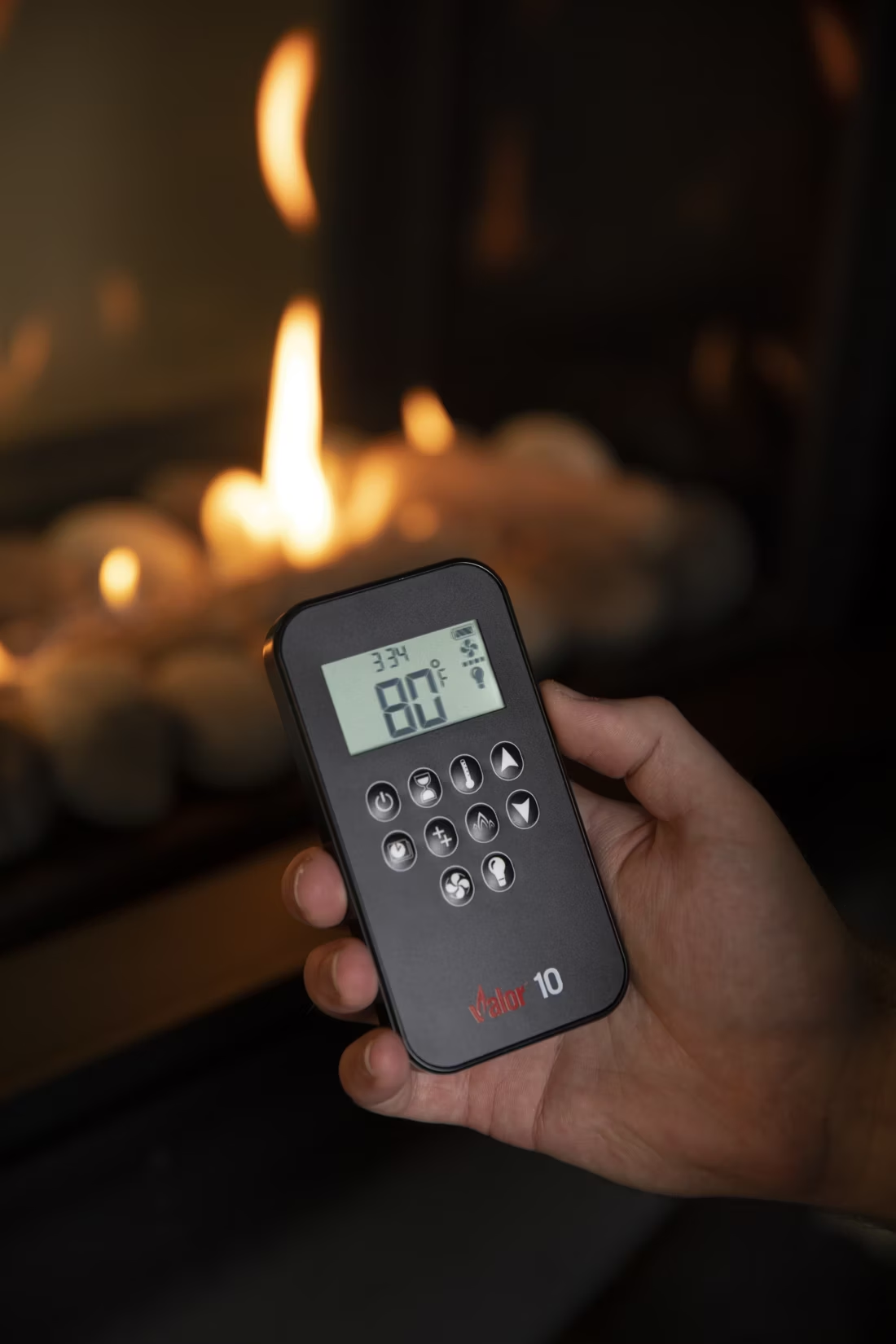
Most modern gas fireplaces will, which matters in Erath County when a spring thunderstorm or ice event knocks out power. Units with intermittent pilot ignition (IPI) run on a battery backup that kicks in automatically and lets you light the fireplace on demand, just like normal—as long as the batteries are fresh. Valor fireplaces go a step further: the pilot's thermocouple generates its own electricity, so there are no batteries to remember at all. Since ice storms are the more common outage trigger here rather than sustained deep-freeze events, a battery-backed or self-powered unit gives you real backup heat without much extra thought.
What's the difference between a gas fireplace, gas insert, and gas stove?
A gas fireplace is a fully built-in unit, framed into a wall—the right call for new construction or a full remodel. A gas insert slides into an existing masonry fireplace opening, sealing it off and venting through the existing chimney, which is the most common upgrade for older Erath County homes with a traditional wood-burning hearth. A gas stove is a freestanding unit that sits out on the floor like a wood stove but runs on gas—a good option for a room without an existing fireplace where you don't want to frame in a full built-in. Most local dealers carry all three and can walk you through which fits your existing structure.
Do I need a permit to install a gas fireplace in Erath County?
Generally yes. Inside Stephenville city limits, gas fireplace installations go through the City of Stephenville's permitting and inspection process, which covers both the building work and the gas line connection. Outside city limits, unincorporated Erath County properties typically fall under the county's building department for the structural side, with gas line work requiring a licensed gas-fitter regardless of jurisdiction. A reputable local hearth dealer will pull these permits as part of the install rather than leaving you to coordinate the trades yourself.
Are vent-free gas fireplaces allowed in Texas, and are they a good fit here?
Texas permits vent-free (unvented) gas fireplaces, and they show up fairly often in Erath County because they're cheaper to install—no venting or chimney work required. They burn fuel directly into the room, though, so they come with strict room-sizing rules and an oxygen depletion sensor for safety, and they're not the right choice for a bedroom or small enclosed space. Direct-vent gas fireplaces, which draw air from outside and exhaust combustion gases back outdoors through a sealed system, remain the more broadly recommended option for full-time living areas—they deliver real heat output without any tradeoff on indoor air quality. Ask your local dealer to walk through both options for your specific room.
How often should a gas fireplace be serviced?
Plan on an annual inspection, ideally in early fall before the first cold front comes through. A certified technician checks the burner, pilot assembly, gas connections, and venting, and cleans the glass and interior—a much lighter lift than wood chimney sweeping, but still important since a dirty burner or degraded gasket can affect both safety and efficiency. Local gas appliance service providers in the Stephenville area typically charge in the $150–$250 range for a standard annual visit.
Gas vs. wood—which makes more sense for an Erath County home?
With such a mild, short heating season, most Erath County homes don't need wood heat to survive the winter the way a place like Duluth, MN does—but plenty of local households still burn wood because oak, pecan, and mesquite are so easy to come by from routine ranch and pasture clearing. Wood gives you real fuel independence and works without electricity, which matters if an ice storm takes down power lines. Gas gives you instant, no-mess heat and consistent output on demand, which suits the shoulder-season chill that makes up most of the local heating season. It's common to see both in the same house: a gas insert or fireplace in the main living area for daily use, and a wood-burning option in a den or outbuilding for backup and atmosphere.
Is my gas fireplace wasting gas?
If it was installed more than 15 years ago, probably. Older gas fireplaces keep a standing pilot light burning all the time, and that little flame can cost a couple hundred dollars a year. Newer models use pilot-on-demand ignition—the pilot lights only when you use the fireplace and goes out when you turn it off.
Why is a fireplace insert so efficient?
An insert does two things: it seals the chimney completely, so you stop losing air you already paid to heat, and it radiates warmth into the room through the firebox and glass. Most add a heat-exchange fan that pulls cool room air underneath, wraps it around the hot firebox, and pushes it back out warm. Your home is more efficient before you've even lit the first fire.
How much should I budget for a fireplace?
For an average home—covering the fireplace, the vent pipe, and basic installation—a budget between $3,900 and $5,500 gives you a lot of options across wood, gas, and pellet. By the time you add finish work, gas line, and electrical, the average complete installation lands between $5,000 and $12,000 all-in. In a remodel or new build, a good rule is to put about 2.5% of the total project cost toward the fireplace.
Does a fireplace add value to my home?
On average, a fireplace adds back to the home about the same amount you spent installing it. Add the monthly savings from heating the rooms you actually use instead of the whole house—often hundreds of dollars a year—and the value case is strong before you even count what a fire does for how your family uses the room.
Stove and Fireplace Dealers in Erath County
Listings include WhyFire partner dealers, dealers we have verified as authorized for the brands we recommend, and established local businesses that carry hearth products. Every listing shows which one it is. The ones marked Preferred run on WhyFire's software, so they can show you real pricing and book your appointment right here. No manufacturer pays for placement. How we verify dealers →
David's Stove Shop Inc
Rodak's Coffee And Bbq Grills
Texas Building Supply
Brothers Supply Co.
Backyard And Patio Store - Waco
Darden Building Materials
Fireside Innovations
Alliance Materials, Inc.
C&G Products
Acme Brick Tile & Stone
Bbq Outfitters
Tri-Supply - Temple
Get your Erath County gas fireplace Project Guide.
Tell me a bit about your home and fuel setup, and I'll match you with a trusted local Erath County dealer plus a free Project Guide & Parts List—the exact parts, vent kit included, for your project.
Find Your Fireplace →