
Warmth Without a Chimney, Right Here in Selmer.
No gas line, no venting, no cutting wood—just plug-in or hardwired warmth for McNairy County's mild winters. Find the right unit and connect with a trusted local dealer.
Every Project Starts From One of These Five Situations
Simple heat for a mild Tennessee winter.
Selmer sits at just 441 feet in climate zone 3A, where the average winter low hovers around 30 degrees and winters are short and mild overall. That's a fraction of what homeowners deal with in places like Duluth, Minnesota or Fargo, North Dakota, where six-month heating seasons make wood stoves and high-output furnaces a necessity. In McNairy County, most homes lean on a central heat pump for the bulk of winter, which leaves electric fireplaces in a supporting role: zone heat for a sunroom, den, or bonus room, and ambiance the rest of the year without opening a flue.
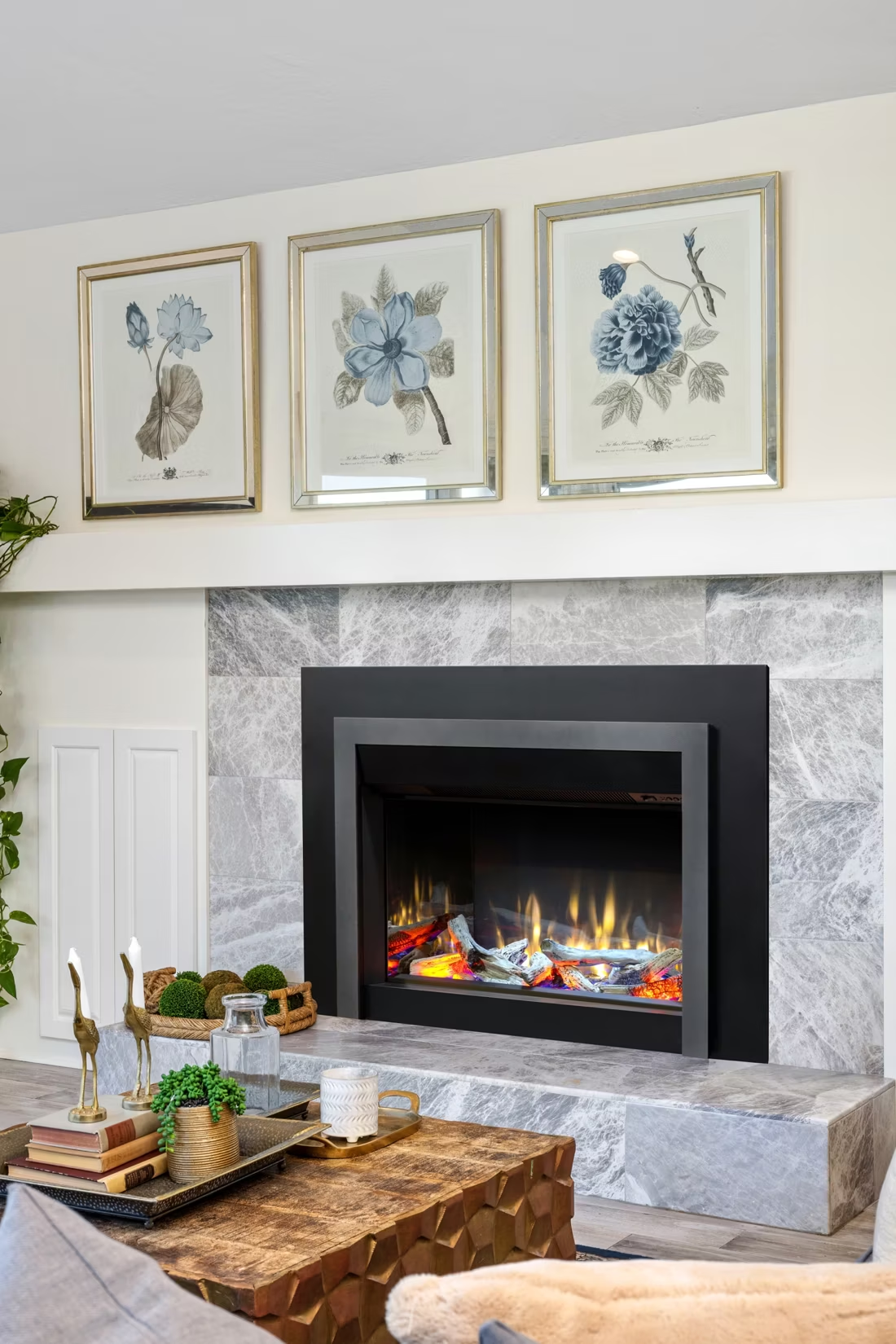
McNairy County's housing mix—ranch homes, manufactured homes, and older farmhouses scattered outside town—is well suited to electric units, since there's no chimney or gas line requirement to work around. Pickwick Electric Cooperative serves most of Selmer with a residential rate around 12.67 cents per kWh, which keeps the cost of running a supplemental electric fireplace modest. Whether it's a simple plug-in insert for an existing masonry opening or a 240-volt built-in for a remodel, the appeal here is the same: real flame-look heat with none of the venting, permitting, or wood-handling that comes with the other fuel types.
Three steps. No salesperson until you're ready.
Tell us about your project
Your zip code, your situation, and the fuel you're leaning toward—or let the answers point you to one.
See what's actually available
The brands dealers within 100 miles genuinely carry—real options, never a catalog mirage.
Get your dealer & Project Guide
A trusted local dealer, plus the free Project Guide & Parts List that names every component of the job.
Frequently Asked Questions
How much does it cost to install an electric fireplace in Selmer?
Most electric fireplace projects in Selmer run $300 to $1,500. A plug-in insert that slides into an existing masonry firebox or a freestanding electric stove on the low end requires nothing more than a standard 120-volt outlet. A built-in wall unit or a mantel package with a dedicated 240-volt circuit runs higher once an electrician is involved. Because there's no chimney, gas line, or venting to install, electric is consistently the least expensive of the fireplace fuel types to get up and running in a McNairy County home.
Do I need a permit to install an electric fireplace in Selmer?
A basic plug-in electric insert or stand-alone stove typically doesn't require a permit—it's no different than plugging in a space heater. A built-in electric fireplace wired to its own dedicated circuit is electrical work, and most licensed electricians serving McNairy County will pull the necessary electrical permit as part of the installation. If you're unsure which category your project falls into, a local dealer can tell you during the initial consultation, before any wiring starts.
How much does it cost to run an electric fireplace in Selmer?
At Pickwick Electric Cooperative's residential rate of about 12.67 cents per kWh, a typical 1,500-watt electric fireplace running on high costs roughly 19 cents an hour, or about $1.50 for a full evening of use. Most units let you run the flame effect alone without the heater, which draws only 20-30 watts—essentially the cost of a light bulb. That flexibility is one reason electric fireplaces are popular for ambiance in Selmer's milder shoulder-season months, when you want the look of a fire without adding heat to the room.
Is an electric fireplace enough to heat my whole house?
Not in most cases. With Selmer's short, mild winters, homes here rely on a central heat pump or furnace for whole-house heating, and electric fireplaces are built for zone heating—typically 400 to 1,500 square feet depending on the model. Where they earn their keep is in additions, converted garages, sunrooms, or bonus rooms that the central system doesn't reach efficiently, or as a way to turn down the thermostat in the main living area while keeping one room comfortable.
What's the difference between an electric insert, an electric stove, and a wall-mounted unit?
An electric insert is built to slide into an existing masonry fireplace opening, which makes it a common upgrade for older Selmer homes with an unused wood-burning firebox. An electric stove is a freestanding cabinet-style unit that can go almost anywhere with an outlet, popular in manufactured homes and additions. A wall-mounted or built-in unit is recessed into the wall for a more modern, flush look and usually needs a dedicated circuit. For McNairy County's mix of older farmhouses and newer construction, the insert and stove styles cover most retrofit projects, while wall units tend to go into new builds or full remodels.
Are electric fireplaces safe for manufactured and older homes?
Yes—electric fireplaces are one of the safer options for manufactured housing and older farmhouses common around Selmer, since there's no open flame, no combustion byproducts, and no chimney or venting to maintain and inspect. The main safety consideration is electrical: make sure the circuit and outlet are rated for the unit's wattage, and have a licensed electrician handle any built-in installation that requires new wiring. Unlike wood stoves, there's no creosote buildup or chimney fire risk to worry about, which matters in homes with aging or unlined flues.
What's the best electric fireplace for a mild climate like Selmer's?
Since Selmer's winters rarely test a unit's maximum heat output the way a Fargo or Duluth winter would, homeowners here have more flexibility to prioritize appearance and flame realism over raw BTU output. Realistic LED flame technology from brands like Dimplex and Napoleon looks convincing even without the heater running, which matters if you'll use the fireplace for ambiance more often than heat. If you do want it to double as meaningful supplemental heat for a bonus room, look for a model rated at 4,600 to 5,000 BTU (roughly 1,500 watts) and size it to the room's square footage.
Electric vs. wood—which makes more sense in McNairy County?
Wood is genuinely practical here—oak, hickory, and maple are common locally and burn well, and a wood stove or insert provides real backup heat if the power goes out. Electric can't do that; it goes dark with the grid. But electric wins on convenience: no cutting, splitting, or stacking wood, no ash cleanup, no chimney to sweep, and no smoke to manage. For a primary residence where backup heat matters, many McNairy County homeowners keep a wood option in the mix. For a den, sunroom, or rental property where simplicity is the priority, electric is usually the easier call.
Electric vs. gas fireplace—which fits my Selmer home better?
Gas delivers more real heat and can be sized to actually warm a room on a cold night, but it requires a gas line or propane tank and typically a professional venting setup, which adds cost and complexity. Electric skips all of that—plug it in or wire it to a dedicated circuit and you're done, with no propane deliveries or gas line maintenance to think about. Given Selmer's relatively short heating season, a lot of homeowners find electric checks the box for ambiance and light supplemental warmth without taking on the added infrastructure a gas installation requires.
Can I put a TV above my fireplace?
Yes—with an asterisk. Fireplaces are hot and TVs don't like heat. Either put a mantel between them to deflect rising warmth, or choose a fireplace with heat-management technology that creates a cool zone on the wall above—the wall stays around 125 degrees, barely warm, while the room still gets full heat. If you like clean lines and don't want a mantel, heat management is the answer.
How much does an electric fireplace cost to run?
With the heater on, a typical unit draws about 1,500 watts—at average electric rates that's roughly 20 cents an hour. Run the flame effect alone and it costs pennies; the flames are LED-driven and use about as much power as a light bulb. There's no pilot light, no fuel delivery, and essentially no maintenance.
What is an in-home preview and do I need one?
It's a visit where a hearth professional measures your space, confirms the model you picked actually works in your home, and walks the specs—framing, gas line, venting, finish work—before anything is ordered. Some details you just can't know until you see the house. Never make a down payment without one; it's the single most-skipped step that burns buyers.
Can a fireplace actually lower my heating bill?
Yes—by creating a comfort zone. A furnace heats every square foot of the house just to warm the one room you're in; a gas fireplace on low burns roughly a sixth of the gas a typical furnace does. Set the furnace around 55–60 degrees as a baseline, then heat the rooms your family actually uses. Families who heat this way commonly save $20–$60 a month.
Nearby Dealers
Hearth shops serving Selmer and the surrounding area. Every listing shows whether it is a WhyFire partner, a dealer we have verified as authorized for the brands we recommend, or a local business carrying hearth products. No manufacturer pays for placement. How we verify dealers →
Bell Gas
Pittman Propane
Rogers Lp Gas LLC
Walt Mestan Dba The Fireplace Center
Acme Brick Company
Electric Service in Selmer
An electric fireplace's heater draws about 1,500 watts—pennies per hour at local rates.
Pickwick Electric Coop
Find your electric fireplace in Selmer.
Tell us a bit about your home and we'll put together a free Project Guide & Parts List—the right electric fireplace or insert for your space, plus a trusted local dealer to install it.
Find Your Fireplace →