
Pellet Heat for the Occasional Cold Snap in Jackson.
Jackson's mild winters mean pellet stoves are a niche choice here, not the norm—but for backup heat, a sunroom, or an older home without gas service, the right unit still makes sense. Find a trusted local dealer who can tell you straight whether it fits your house.
Every Project Starts From One of These Five Situations
A niche heat source for a mild climate.
Jackson sits at 449 feet in West Tennessee's climate zone 3A, with an average winter low of 27°F and a mild, short heating season. That's a fraction of the long, harsh winter load a place like Duluth, MN sees, and it's part of why pellet stoves never became a mainstream heating choice here the way they have in the upper Midwest or interior Northeast. Most Jackson homes lean on natural gas furnaces or electric heat pumps for primary heat, and Madison County has no wood-burning air quality restrictions or winter inversion problems that would push homeowners toward alternative solid-fuel heat.
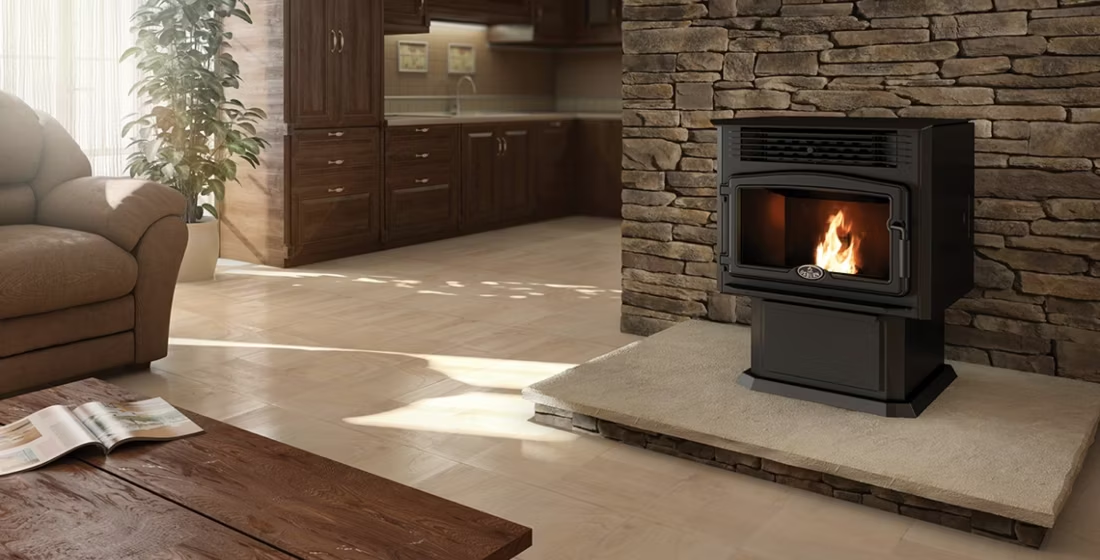
That said, pellet stoves haven't disappeared from the local market entirely. Regional bagged-pellet brands like Lignetics, Hamer Pellet Fuel, and Greenway Renewable Energy are sold through West Tennessee farm and hardware stores, and a modest number of Jackson homeowners install a freestanding pellet stove or insert for supplemental heat in a sunroom or bonus room, backup warmth during ice-storm power outages, or simply the ambiance of a real flame without the chimney work a wood stove requires. With electric rates from Southwest Tennessee EMC and the City of Jackson's own utility running around 12–13 cents per kWh, most residents find heat pumps cheaper to run day to day—which is exactly why pellet here tends to be a secondary system rather than a whole-home solution.
Three steps. No salesperson until you're ready.
Tell us about your project
Your zip code, your situation, and the fuel you're leaning toward—or let the answers point you to one.
See what's actually available
The brands dealers within 100 miles genuinely carry—real options, never a catalog mirage.
Get your dealer & Project Guide
A trusted local dealer, plus the free Project Guide & Parts List that names every component of the job.
Frequently Asked Questions
Are pellet stoves actually common in Jackson, TN?
Not especially, and it's worth being upfront about that. Jackson's mild winters—average lows around 27°F and a short, light heating season—mean most homes are built around gas furnaces or electric heat pumps rather than solid-fuel backup heat. Pellet stoves are far more common in places with harsher, longer winters. In Jackson, the homeowners who do install one are usually adding supplemental heat to a room that runs cold, want a hedge against ice-storm power outages, or simply like the low-maintenance flame a pellet appliance offers compared to tending cordwood. It's a real option, just not a default one.
How much does a pellet stove installation cost in Jackson?
Pellet stove installs are generally less expensive than wood stove installs because they don't require a full masonry chimney—most units vent through an exterior wall with a simple PL-vent pipe kit. In a market like Jackson, a straightforward freestanding pellet stove installation with wall venting typically lands in the $3,000 to $6,000 range depending on the unit, wall penetration work, and whether an existing hearth pad can be reused. A local dealer will give you a firm number after seeing your room and wall layout—that's part of what the free Project Guide & Parts List is built to set up.
Where do I actually buy pellets in Jackson?
Bagged pellets from regional producers like Lignetics, Hamer Pellet Fuel, and Greenway Renewable Energy show up at farm supply and hardware stores across West Tennessee, though selection can be thinner here than in states where pellet heat is the norm. Because demand is lower, it's worth calling ahead in late fall to confirm stock rather than assuming a store keeps pellets year-round the way a Midwest retailer would. Buying a season's supply early, before the first cold snap, is the safer play in a market where pellet fuel isn't always shelved as a staple item.
If pellet isn't common here, why would I choose it over gas or electric?
For most Jackson homes, you probably wouldn't choose pellet as your primary heat—natural gas and electric heat pump service are both standard and reliable here, and Southwest Tennessee EMC and City of Jackson electric rates in the 12–13 cent range keep whole-home electric heat affordable. Where pellet still makes sense is narrower: a detached bonus room without gas or ductwork access, a backup heat source for the handful of ice storms West Tennessee sees most winters, or simply wanting real flame without cutting and stacking cordwood. If none of those apply to your situation, gas or electric is almost certainly the more practical call.
Do I need a permit to install a pellet stove in Jackson?
Most likely yes for the wall penetration and vent work, though pellet installs are simpler to permit than wood-burning units since there's no masonry chimney or Forest Service cutting permit involved. Check with the City of Jackson's building and codes office (or Madison County if you're outside city limits) before installation—a licensed local hearth dealer will typically pull the permit as part of the job, which is one advantage of not going the DIY-and-big-box route.
Will a pellet stove keep working if the power goes out?
Not without a plan for it. Pellet stoves rely on an electric auger to feed fuel and a blower to circulate heat, so a standard unit shuts down the moment power drops—which matters in West Tennessee, where ice storms are the more likely outage cause rather than deep cold. Some homeowners pair a pellet stove with a small battery backup or inverter generator specifically so it keeps running during an outage. If uninterrupted backup heat during storms is your main goal, a wood stove or a battery-backed gas unit is often a more dependable choice than pellet in this climate.
Pellet stove vs. gas fireplace—which makes more sense in Jackson?
Gas is the more established choice here. Natural gas service is standard throughout much of Jackson, and a gas insert or fireplace gives you instant on-demand heat with no fuel storage, no hopper to refill, and no ash to empty. Pellet requires buying and storing bags of fuel, cleaning the burn pot regularly, and running on electricity the whole time it operates. The trade-off is that pellet stoves produce a real, visible flame fed by an actual solid fuel, which some homeowners simply prefer over a gas flame. If you already have gas service to the house, it's usually the simpler and more cost-effective path; pellet is more of a deliberate choice for homeowners who specifically want that fuel type.
What pellet stove models work well for supplemental heat in a home like mine?
For the sunroom-or-bonus-room use case that's most common in Jackson, a smaller-hoppered unit from a mainstream brand like Englander, Harman, or US Stove Company is usually plenty—these run efficiently without needing to be sized for whole-home heating. If you're leaning toward pellet as genuine backup heat, look at models with a larger hopper capacity so you're not refilling every few hours during an extended outage. A local dealer can walk you through hopper size, BTU output, and venting requirements based on the specific room you're heating.
Is wood a better option than pellet for my Jackson home?
Honestly, neither wood nor pellet is a dominant heating choice in Jackson—both are niche here given the mild climate with its short, light heating season and the availability of gas and electric heat pump service. Where the two differ: wood stoves burn cordwood (oak, hickory, maple, and pine are all common regionally) and keep working without electricity, which appeals to homeowners who want true storm-proof backup heat. Pellet stoves are cleaner to operate and easier to load and maintain day-to-day, but they need power to run the auger and blower. If backup heat during an outage is the priority, wood typically wins in this climate; if convenience and a tidy setup matter more, pellet is the better fit.
How often does a pellet stove need cleaning?
A clean pellet stove is a happy pellet stove. Plan on cleaning the burn pot about once a week when you're burning regularly—ash and clinkers gum up the air holes just like a pellet barbecue. Most pellet stove problems trace back to skipped cleaning that nobody explained up front. Some designs make it easy with a trapdoor burn pot: pull a lever and the gunk drops into the ash pan.
What's the difference between an insert and a zero-clearance fireplace?
An insert is a fireplace that slides into a pre-existing wood-burning fireplace—if you don't have one, there's nothing to insert it into. A zero-clearance fireplace is built into a framed wall, which makes it the answer for remodels and new construction. Simple test: existing masonry fireplace means insert; blank or framed wall means zero-clearance.
Can I install a fireplace myself?
If you're putting a fire in your house on purpose, it's best to work with an expert. Unless you're genuinely experienced in framing, gas line, vent pipe, and the national code on clearances to combustibles, have a professional do it—and ideally the same company that sells you the fireplace, so warranty, service, and liability all live under one roof.
Does a fireplace add value to my home?
On average, a fireplace adds back to the home about the same amount you spent installing it. Add the monthly savings from heating the rooms you actually use instead of the whole house—often hundreds of dollars a year—and the value case is strong before you even count what a fire does for how your family uses the room.
Preferred Dealer in Jackson
Pellet Brands Stocked Around Jackson
Manufacturers will point you to the nearest stocking dealer.
See if pellet heat makes sense for your Jackson home.
Tell us about your home and how you'd use a pellet stove, and we'll match you with a trusted local dealer plus a free Project Guide & Parts List—the exact parts, vent kit, and recommended installer for your Jackson project, no big-box guesswork.
Find Your Fireplace →