
Find the right electric fireplace for your Giles County home.
Zone heat and ambiance without a chimney, a gas line, or a permit hassle—for homes from Pulaski to Elkton to Ardmore. Get matched with a trusted local dealer.
Every Project Starts From One of These Five Situations
Mild winters, straightforward heat.
Giles County sits in climate zone 4A with a moderate winter heating season and winter lows averaging around 25°F—cold enough for real heating need most nights from December through February, but nowhere near the sustained sub-zero stretches you'd see in a place like Fargo or Bismarck. That milder profile is exactly the situation where electric fireplaces earn their keep: homeowners in Pulaski, Elkton, Ardmore, and Minor Hill often don't need a whole-home combustion appliance just to take the chill off a bedroom, den, or basement rec room.
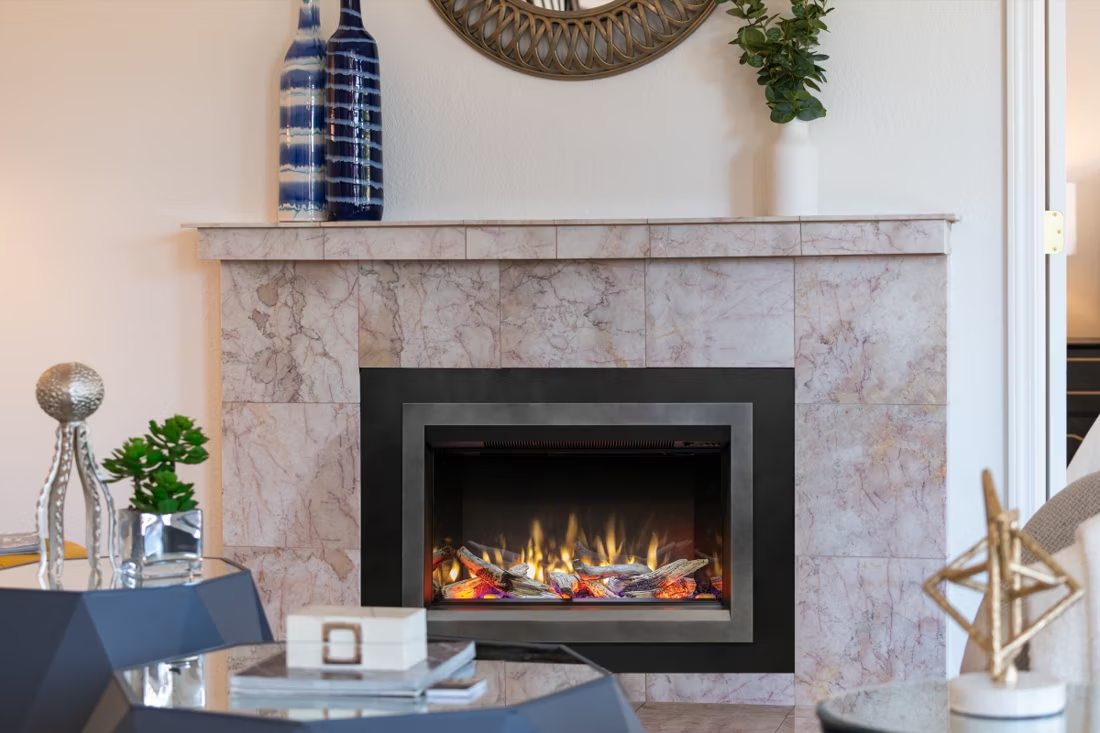
Giles County has no air quality restrictions on wood or gas burning, so electric isn't chosen here out of necessity the way it might be in a smoke-sensitive metro area—it's chosen for convenience. No chimney, no venting, no gas line, and in most cases no building permit at all for a plug-in unit. For renters, for a quick supplemental-heat upgrade in an older farmhouse near Elkton, or for a homeowner who wants fireplace ambiance in a room that will never see a wood stove, electric is often the simplest path to a finished-looking hearth.
Three steps. No salesperson until you're ready.
Tell us about your project
Your zip code, your situation, and the fuel you're leaning toward—or let the answers point you to one.
See what's actually available
The brands dealers within 100 miles genuinely carry—real options, never a catalog mirage.
Get your dealer & Project Guide
A trusted local dealer, plus the free Project Guide & Parts List that names every component of the job.
Frequently Asked Questions
How much does an electric fireplace installation cost in Giles County?
Most electric fireplace projects in Giles County run $400 to $1,200 installed. A plug-in insert or wall-mount unit that uses an existing outlet is on the low end and often a same-day job. Built-in units that require a dedicated 120V or 240V circuit run higher, since you'll need an electrician to add the circuit—a common step in older Pulaski homes with older panels. Custom mantels, recessed wall units, or units placed far from existing wiring push toward the top of that range.
Do I need a permit to install an electric fireplace in Giles County?
In most cases, no. A plug-in freestanding or insert-style electric fireplace that runs off a standard outlet typically doesn't require a building permit in Giles County, since there's no venting, gas line, or structural chimney work involved. If your project involves adding a new dedicated electrical circuit or built-in wall unit, an electrical permit may be required—your installer or electrician can confirm what applies to your specific setup. This is one of the reasons electric appeals to homeowners who want to avoid the inspection process altogether.
Will an electric fireplace actually heat my room, or is it just for looks?
Most electric fireplaces sold today include a real heating element, typically 1,500 watts, which is enough to noticeably warm a single room—a bedroom, den, or home office—in Giles County's climate. They won't replace central heat for the whole house, but for supplemental or zone heating on the moderately cold nights common here (average winter lows around 25°F), a electric unit can genuinely cut down on how often the furnace has to run in that room. Some homeowners run the flame effect without heat for ambiance in shoulder seasons, then switch on heat for the coldest stretches of winter.
What's the difference between an electric insert, a wall-mount, and a freestanding electric stove?
An electric insert is built to slide into an existing masonry fireplace opening—a common upgrade for older Pulaski and Elkton homes with a fireplace that's rarely used for real wood fires anymore. A wall-mount unit hangs flat against a wall like a large TV, popular in newer construction or remodels where floor space matters. A freestanding electric stove sits on the floor and mimics the look of a wood or pellet stove, which works well in a den or basement without any existing fireplace. All three plug into a standard outlet in most cases, so the choice usually comes down to the look you want and where you have wiring already in place.
Can I put an electric fireplace anywhere in my house?
Almost anywhere, which is the main advantage over wood or gas. Since there's no combustion, no venting, and no clearance-to-combustibles code the way there is for a wood stove, electric units can go in bedrooms, basements, apartments, and interior rooms with no exterior wall access—a real plus for some of the older in-town homes around Pulaski where adding a chimney or gas line isn't practical. The only real constraint is having (or adding) adequate electrical service nearby, which a local electrician or hearth dealer can assess quickly.
How does electric compare to wood heat for a Giles County home?
Wood is still common in Giles County, where oak, hickory, and maple are plentiful and many homeowners already have a source of firewood, plus wood keeps working during a power outage. Electric can't provide heat if the power's out, which matters if your area sees ice storms that knock out lines for a few days. But electric wins on convenience—no wood splitting or stacking, no chimney sweep, no ash cleanup, and instant on-off with a remote. For a primary heat source in a drafty rural farmhouse, wood or a wood insert often makes more sense. For ambiance and zone heat in a den, bedroom, or basement, electric is hard to beat.
How does electric compare to gas fireplaces for a Giles County home?
Gas fireplaces put out more real heat and, with a battery-backup ignition system, can keep working through a power outage—something electric units can't do since they run entirely on grid power. Gas installation costs more, though, typically requiring venting and either a natural gas line or a propane tank. Electric skips all of that: no gas line, no venting, no combustion byproducts to worry about, and a much lower install cost. For homeowners in Pulaski or Elkton who want serious backup heat, gas is worth the extra investment. For anyone who mainly wants fireplace ambiance and light supplemental warmth without the plumbing, electric is the simpler and cheaper route.
Are electric fireplaces expensive to run?
Running the heating element on a typical 1,500-watt electric fireplace costs a matter of cents per hour depending on your electric rate—generally less than running a portable space heater for the same room, since most models let you run the flame effect alone without the heater engaged. For Giles County's relatively mild winter climate, many homeowners only run the heat function on the coldest evenings and rely on the flame effect the rest of the time, keeping running costs modest.
Is an electric fireplace a good fit for a rental or investment property in Giles County?
Often yes. Because most electric units plug into a standard outlet and don't require venting, gas lines, or permits, they're one of the few fireplace options a landlord can install without triggering major renovation work—useful for rental properties around Pulaski or Ardmore where adding real hearth appeal matters for tenant appeal but a full wood or gas retrofit doesn't pencil out. They're also easy to remove or relocate if a future owner wants something different, which isn't true of a masonry fireplace conversion.
Can I put a TV above my fireplace?
Yes—with an asterisk. Fireplaces are hot and TVs don't like heat. Either put a mantel between them to deflect rising warmth, or choose a fireplace with heat-management technology that creates a cool zone on the wall above—the wall stays around 125 degrees, barely warm, while the room still gets full heat. If you like clean lines and don't want a mantel, heat management is the answer.
Do electric fireplaces actually produce heat?
Yes—most put out around 4,800–5,000 BTUs from a standard outlet, which comfortably warms a bedroom, office, or den as a comfort-zone heater. What they won't do is carry a whole house the way wood, gas, or pellet can. Think of electric as ambiance-first with honest supplemental heat: flames on with no heat in July, flames plus warmth in January.
How much should I budget for a fireplace?
For an average home—covering the fireplace, the vent pipe, and basic installation—a budget between $3,900 and $5,500 gives you a lot of options across wood, gas, and pellet. By the time you add finish work, gas line, and electrical, the average complete installation lands between $5,000 and $12,000 all-in. In a remodel or new build, a good rule is to put about 2.5% of the total project cost toward the fireplace.
What is an in-home preview and do I need one?
It's a visit where a hearth professional measures your space, confirms the model you picked actually works in your home, and walks the specs—framing, gas line, venting, finish work—before anything is ordered. Some details you just can't know until you see the house. Never make a down payment without one; it's the single most-skipped step that burns buyers.
Stove and Fireplace Dealers in Giles County
Listings include WhyFire partner dealers, dealers we have verified as authorized for the brands we recommend, and established local businesses that carry hearth products. Every listing shows which one it is. The ones marked Preferred run on WhyFire's software, so they can show you real pricing and book your appointment right here. No manufacturer pays for placement. How we verify dealers →
Allgas, Inc. Of Tn - Fayetteville
Consolidated Trade Services
Atnip Design & Supply Center
Allgas, Inc.
Higdon Service, Inc.
Phoenix Sales
Alabama Fireplace & Construction Specialties
Spar-Gas
Get your Giles County electric fireplace Project Guide & Parts List.
Tell us a bit about your home and we'll match you with a trusted local dealer, plus a free Project Guide & Parts List for your electric fireplace project—the exact parts you need and who to call in Giles County.
Find Your Fireplace →