
Pellet Stoves in Columbia: A Realistic Look at Fit.
Maury County winters rarely demand a pellet stove as primary heat—but for the right home, one still makes sense. Here's what's actually available locally, and what to expect.
Every Project Starts From One of These Five Situations
Mild winters mean pellet stoves are the exception, not the rule.
Columbia sits in climate zone 4A at 727 feet of elevation, with an average winter low around 27°F and a moderate heating season for the year. That's a real Tennessee winter—cold snaps and the occasional ice storm are part of the picture—but it's nowhere near the sustained cold of a place like Duluth, Minnesota, where pellet stoves routinely run as a household's primary heat source for months at a stretch. In Maury County, gas and electric heat carry the load, and pellet installations tend to be the exception rather than the default.
Columbia sits in oak, hickory, maple, and pine country, and plenty of local homes have a fireplace or chimney that could theoretically take a wood or pellet insert. In practice, most homeowners here who want that look and feel choose gas for the convenience, and wood-burning appliances are similarly uncommon. Where pellet stoves do show up, it's usually for a specific reason: a den or bonus room that needs targeted supplemental heat, a homeowner who likes the lower-maintenance burn of pellets over cordwood, or a backup heat plan for the ice storms that occasionally knock out power across the Columbia Power System service area. Regional pellet brands like Lignetics, Hamer Pellet Fuel, and Greenway Renewable Energy still supply the area, so fuel isn't hard to find even though dedicated pellet-stove dealers are thinner on the ground here than in colder states.
Three steps. No salesperson until you're ready.
Tell us about your project
Your zip code, your situation, and the fuel you're leaning toward—or let the answers point you to one.
See what's actually available
The brands dealers within 100 miles genuinely carry—real options, never a catalog mirage.
Get your dealer & Project Guide
A trusted local dealer, plus the free Project Guide & Parts List that names every component of the job.
Frequently Asked Questions
Does a pellet stove make sense for a Columbia home?
For most Maury County homes, a pellet stove works best as supplemental heat rather than a whole-house solution. With winter lows averaging around 27°F and a moderate heating season overall, Columbia's climate just doesn't demand the kind of sustained, all-day burn that makes pellet stoves the backbone of heating in colder states. That said, a pellet insert in a bonus room, sunroom, or a home with an underused fireplace can meaningfully cut a gas or electric bill during the coldest weeks of January and February, and some homeowners simply like the low-fuss, thermostat-like control pellet stoves offer compared to tending a wood fire. It's a good-fit-for-the-right-reason appliance here, not a default one.
How much does a pellet stove installation cost in Columbia?
Nationally, a pellet stove or insert installation typically runs $3,000 to $6,500, depending on the unit, whether you're venting through an existing chimney or need new through-wall venting, and any hearth pad work required for clearance. Because pellet-stove dealers are less concentrated in Columbia than in colder regions, some homeowners end up working with a hearth retailer based in the greater Nashville area, about 45 miles north, which can add a modest travel or scheduling factor to the quote. Ask any installer for a firm number after an in-home look at your venting path.
Do I need a permit to install a pellet stove in Columbia?
Yes—a new pellet stove or insert installation typically requires a building permit through the City of Columbia Building Department or the Maury County Building Department, depending on where the home sits. Most hearth retailers who install pellet appliances will pull the permit as part of the job, so this usually isn't something you have to manage yourself. Because pellet installations are less common locally than gas, it's worth confirming with your installer that they're familiar with the current permitting process for solid-fuel appliances in your specific jurisdiction.
What's the difference between a pellet stove and a pellet insert?
A pellet stove is a freestanding unit that sits on a hearth pad and vents through a wall or existing chimney—it can go almost anywhere with the right clearances, which makes it a common choice for a bonus room or den. A pellet insert is built to slide into an existing masonry fireplace opening, turning an underused wood fireplace into a more efficient, thermostat-controlled heat source. For the Columbia homes that do install pellet appliances, inserts are common in older houses with an existing chimney, while freestanding stoves are more typical in newer construction or rooms without a fireplace at all.
Where can I buy pellet fuel in Columbia?
Regional brands including Lignetics, Hamer Pellet Fuel, and Greenway Renewable Energy supply pellets to farm and home suppliers throughout Middle Tennessee, and Columbia-area feed stores and home improvement retailers typically carry at least one of these brands in season. Bags generally run in the $5 to $7 range for 40 pounds, which works out to roughly $250 to $300 a ton if you're buying by the pallet. Because pellet stoves are less common here, it's worth calling ahead in late summer to confirm stock before the first cold snap sells through the season's supply.
Will my pellet stove work during a power outage?
Not without help. Pellet stoves rely on an electric auger to feed fuel and a blower to circulate heat, so a Columbia Power System outage—which does happen during Middle Tennessee ice storms—will shut the stove down along with everything else. Homeowners who want pellet heat as genuine backup typically pair the stove with a small battery backup or a portable generator sized to run the auger and blower. If backup heat during outages is the main goal, it's worth also considering a vented gas fireplace, which is far more common in Columbia and can be configured to run on battery ignition without any grid power at all.
Pellet vs. gas—which is right for my Columbia home?
Gas is the standard choice in Columbia for good reason: it lights instantly, needs no fuel storage, and runs on either natural gas or propane depending on your address. Pellet stoves require hauling and storing bags of fuel, regular hopper refilling, and periodic ash and burn-pot cleaning—more hands-on than gas, but with a real fire and radiant heat that some homeowners prefer, plus lower running costs than electric resistance heat if you're burning consistently through winter. For most Maury County homes prioritizing convenience, gas wins. For a homeowner who wants a wood-fire feel with less mess than cordwood, and doesn't mind the extra upkeep, pellet remains a reasonable niche choice.
How much maintenance does a pellet stove need?
Pellet stoves need more routine attention than gas but less than a wood-burning chimney. Plan on emptying the ash pan and cleaning the burn pot every few days to weekly during regular use, and a full professional service once a year—checking the auger motor, exhaust blower, gaskets, and venting. Because certified pellet-stove technicians are less concentrated in Columbia than gas service techs, some homeowners schedule annual service through the same dealer who installed the unit, even if that means a drive toward Nashville. Skipping annual service is the most common cause of feed and ignition problems down the line.
What size pellet stove do I need for my home?
Since most Columbia installations serve as supplemental rather than whole-home heat, sizing usually comes down to the specific room or zone you're trying to warm rather than total square footage. A small pellet stove (rated for 500-1,000 sq ft) is typically plenty for a den, bonus room, or converted garage. A medium unit (1,000-1,800 sq ft) can handle an open living area or a smaller whole-home application in a well-insulated house. Given Columbia's relatively mild winters, oversizing is the more common mistake—a stove sized for a much colder climate will often run low and smolder here, which shortens equipment life and increases ash buildup. A local installer can size the unit correctly during an in-home visit.
How often does a pellet stove need cleaning?
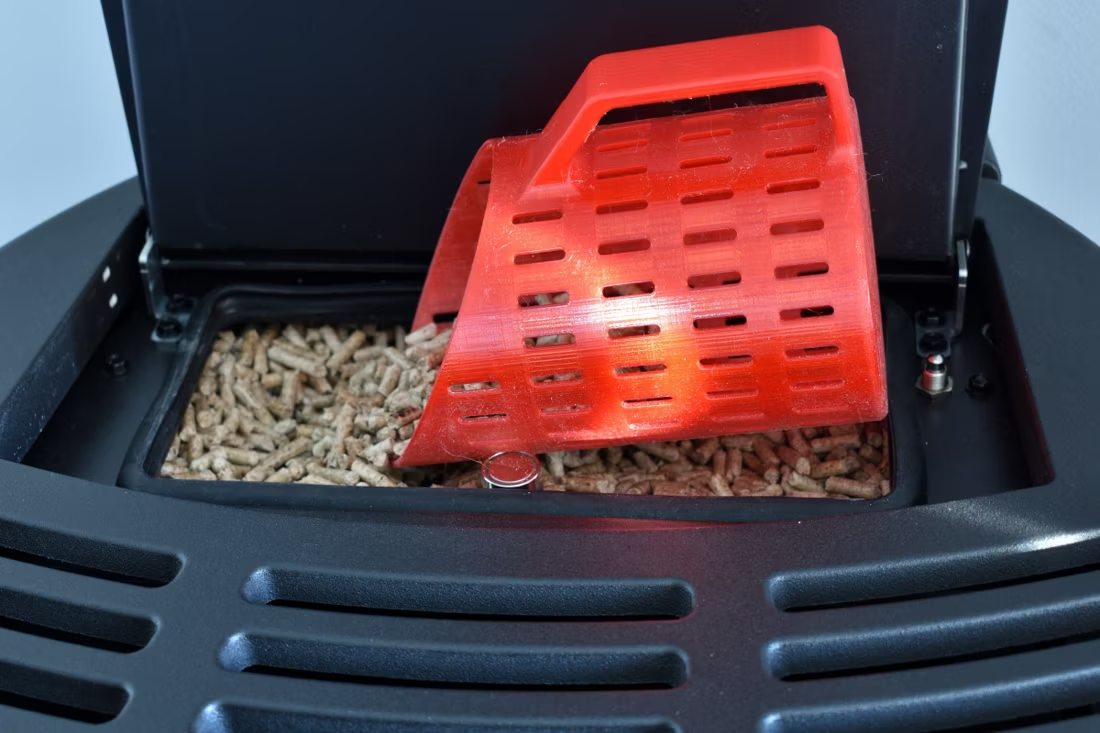
A clean pellet stove is a happy pellet stove. Plan on cleaning the burn pot about once a week when you're burning regularly—ash and clinkers gum up the air holes just like a pellet barbecue. Most pellet stove problems trace back to skipped cleaning that nobody explained up front. Some designs make it easy with a trapdoor burn pot: pull a lever and the gunk drops into the ash pan.
What's the difference between an insert and a zero-clearance fireplace?
An insert is a fireplace that slides into a pre-existing wood-burning fireplace—if you don't have one, there's nothing to insert it into. A zero-clearance fireplace is built into a framed wall, which makes it the answer for remodels and new construction. Simple test: existing masonry fireplace means insert; blank or framed wall means zero-clearance.
Can I install a fireplace myself?
If you're putting a fire in your house on purpose, it's best to work with an expert. Unless you're genuinely experienced in framing, gas line, vent pipe, and the national code on clearances to combustibles, have a professional do it—and ideally the same company that sells you the fireplace, so warranty, service, and liability all live under one roof.
Does a fireplace add value to my home?
On average, a fireplace adds back to the home about the same amount you spent installing it. Add the monthly savings from heating the rooms you actually use instead of the whole house—often hundreds of dollars a year—and the value case is strong before you even count what a fire does for how your family uses the room.
Pellet Brands Stocked Around Columbia
Manufacturers will point you to the nearest stocking dealer.
Find your pellet stove in Columbia.
Tell us about your home and how you plan to use the heat, and we'll match you with a local dealer who actually installs pellet appliances in Maury County—plus a free Project Guide & Parts List with the vent kit and equipment your project needs.
Find Your Fireplace →