
Warm, reliable heat for Douglas County's long Plains winters.
From Armour to the farms along the James River, propane and gas heat keep Douglas County homes warm through zone 5A winters. Find the right fireplace, insert, or stove—and connect with a trusted local dealer.
Every Project Starts From One of These Five Situations
Instant heat built for wide-open, wind-driven winters.
Douglas County sits in south-central South Dakota along the James River Valley, with a population just over 1,500 spread between the county seat of Armour and the surrounding farms and ranches. The climate here is zone 5A—the same cold, wind-exposed continental pattern you'd find in Fargo, ND, with long stretches below zero and wind chill that makes an open living room feel much colder than the thermometer says. For generations, homes out here have leaned on a mix of wood, propane, and central heat to get through the season, and gas fireplaces have earned a place in that mix because they deliver heat the instant you need it, no fire-tending required.
Natural gas mains reach only a small footprint in and around Armour; almost everywhere else in Douglas County, propane delivered by tank is the standard fuel for gas appliances, including fireplaces and inserts. That makes a gas fireplace a practical zone-heat option for farmhouses already running propane furnaces or water heaters, and a genuine backup source of warmth during the ice storms and high-wind outages that hit the open plains here harder than they hit town. Whether you're upgrading an old masonry fireplace on a century farmhouse or adding heat to a newer build outside Armour, the right unit and the right dealer make the difference between a fireplace that just looks nice and one you can actually count on in January.
Three steps. No salesperson until you're ready.
Tell us about your project
Your zip code, your situation, and the fuel you're leaning toward—or let the answers point you to one.
See what's actually available
The brands dealers within 100 miles genuinely carry—real options, never a catalog mirage.
Get your dealer & Project Guide
A trusted local dealer, plus the free Project Guide & Parts List that names every component of the job.
Frequently Asked Questions
How much does a gas fireplace installation cost in Douglas County?
Because most of rural Douglas County runs on propane rather than piped natural gas, cost depends heavily on whether your home already has a propane tank and line in place. A propane insert going into an existing masonry fireplace on a farmhouse that's already set up for propane appliances typically runs $4,000 to $8,000. A new installation in a home without existing propane service costs more once a tank and buried line are added—plan on roughly $7,000 to $12,000 total in that case. Homes close to Armour's small natural gas footprint may see lower venting and line costs if service already reaches the property. A local dealer will size up your specific setup and give you a firm number.
Can I convert my existing wood fireplace to gas?
Yes—a lot of the older farmhouses scattered across Douglas County still have the original masonry wood fireplace, and converting it to a propane insert is one of the more common upgrades local dealers handle out here. The existing chimney gets relined and reused as the vent path, so you keep the same fireplace opening but gain instant heat, no ash cleanup, and no wood to split and haul. The main cost variable is whether the house already has propane service; if it does, the conversion itself is straightforward.
Do I need natural gas, or should I plan on propane?
For nearly everyone in Douglas County outside the immediate Armour area, propane is the practical answer—natural gas mains simply don't reach most of the county's farms and outlying homes. Propane is delivered and stored in an on-site tank, and most gas fireplace models sold locally can be configured to run on either fuel. The real question is what's already serving your house: if you have a propane furnace or water heater, adding a fireplace on the same fuel is the simpler path. Your dealer will check your current setup before recommending a unit.
Will my gas fireplace work during a power outage?
It will, as long as you choose a unit with intermittent pilot ignition (IPI) and battery backup—worth specifying given how often high wind and ice knock out power across the open stretches of Douglas County. Standard IPI units light on demand using AA batteries when the power drops. Valor takes it a step further: their gas fireplaces generate their own electricity from the pilot's thermocouple, so there are no batteries to remember at all. That's a real advantage after a Plains ice storm, when it can be days before crews reach the more remote lines outside Armour.
What's the difference between a gas fireplace, gas insert, and gas stove?
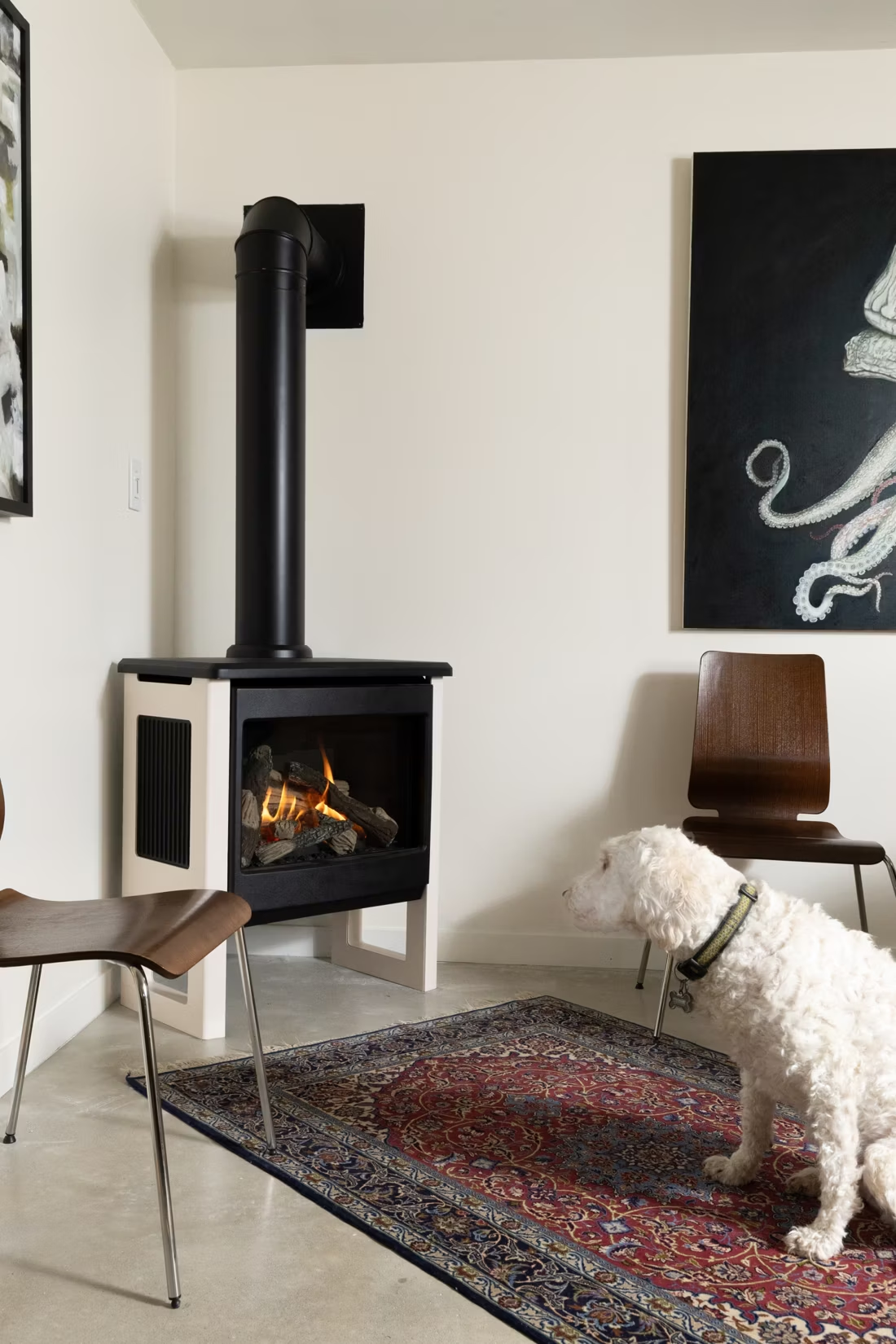
A gas fireplace is a fully built-in unit framed into a wall—the right call for new construction or a major remodel. A gas insert slides into an existing masonry fireplace opening, which describes a good number of the farmhouse fireplaces around Douglas County, and it uses the existing chimney as its vent path. A gas stove is a freestanding cabinet unit, similar in footprint to a wood stove, that can go almost anywhere with the right clearances—a good option for a shop, addition, or a home without an existing fireplace at all.
Do I need a permit to install a gas fireplace in Douglas County?
Yes—expect to pull a building permit through Douglas County's building office in Armour, along with a separate permit or inspection for the gas or propane line work itself, which needs to be done by a licensed gas-fitter. Most hearth dealers handle the paperwork as part of the installation, so you're not left coordinating the fireplace install, the propane tank setup, and the inspection as three separate errands.
What's the difference between vented and vent-free gas fireplaces?
Vented (direct-vent) gas fireplaces draw combustion air from outside and exhaust the byproducts back outside through sealed venting—they're the cleanest, safest option and what most local dealers recommend for a main living room. Vent-free units burn fuel directly into the room without external venting; they're legal in South Dakota and can make sense for a detached shop, hunting cabin, or outbuilding, especially since Douglas County has none of the air-quality restrictions that limit ventless units in other parts of the country. For a primary living space in the farmhouse or the main house in town, though, a direct-vent unit is still the safer, more universally recommended choice.
How often should my gas fireplace be serviced?
Plan on an annual inspection, ideally before the coldest part of the season sets in. A technician will check the burner, pilot assembly, gas connections, and venting, and clean the glass and interior—a quick visit compared to a wood chimney sweep, but just as important for safety, especially on a unit that's your backup heat source during a winter power outage. Local gas appliance service providers typically charge somewhere in the $150 to $250 range for this visit.
Gas vs. wood—which is right for my home?
Wood remains a real option in Douglas County—ponderosa pine, oak, and cottonwood are all cut locally along the James River bottomland, and a wood stove keeps working with no fuel delivery and no electricity at all, which matters when a blizzard shuts down the roads for days. Gas offers instant on-off heat, no ash or wood handling, and steadier output, which is why it's become the go-to for daily-use zone heat in farmhouses that already run propane. Plenty of homes here split the difference: propane in the main living area for everyday convenience, wood or a pellet stove using regional fuel from suppliers like Lignetics as backup heat when the power's out and the wind won't quit.
Can I put a TV above my fireplace?
Yes—with an asterisk. Fireplaces are hot and TVs don't like heat. Either put a mantel between them to deflect rising warmth, or choose a fireplace with heat-management technology that creates a cool zone on the wall above—the wall stays around 125 degrees, barely warm, while the room still gets full heat. If you like clean lines and don't want a mantel, heat management is the answer.
What's the difference between an insert and a zero-clearance fireplace?
An insert is a fireplace that slides into a pre-existing wood-burning fireplace—if you don't have one, there's nothing to insert it into. A zero-clearance fireplace is built into a framed wall, which makes it the answer for remodels and new construction. Simple test: existing masonry fireplace means insert; blank or framed wall means zero-clearance.
Can I install a fireplace myself?
If you're putting a fire in your house on purpose, it's best to work with an expert. Unless you're genuinely experienced in framing, gas line, vent pipe, and the national code on clearances to combustibles, have a professional do it—and ideally the same company that sells you the fireplace, so warranty, service, and liability all live under one roof.
How much should I budget for a fireplace?
For an average home—covering the fireplace, the vent pipe, and basic installation—a budget between $3,900 and $5,500 gives you a lot of options across wood, gas, and pellet. By the time you add finish work, gas line, and electrical, the average complete installation lands between $5,000 and $12,000 all-in. In a remodel or new build, a good rule is to put about 2.5% of the total project cost toward the fireplace.
Stove and Fireplace Dealers in Douglas County
Listings include WhyFire partner dealers, dealers we have verified as authorized for the brands we recommend, and established local businesses that carry hearth products. Every listing shows which one it is. The ones marked Preferred run on WhyFire's software, so they can show you real pricing and book your appointment right here. No manufacturer pays for placement. How we verify dealers →
Kaiser Heating & Cooling
Larry's Heating & Cooling
Find your gas fireplace in Douglas County.
Tell us about your home and current fuel setup, and we'll match you with the right gas fireplace, insert, or stove for Douglas County's climate—plus a free Project Guide & Parts List and a trusted local dealer to install it.
Find Your Fireplace →