
A Pellet Stove for the Few West Columbia Homes That Want One.
Pellet heat isn't the standard choice in the Midlands' mild winters, but for backup heat, ambiance, or a cabin property, the right unit and a trusted local dealer still matter.
Every Project Starts From One of These Five Situations
Pellet stoves aren't standard here—and that's fine.
West Columbia sits at 251 feet in South Carolina's Midlands, in climate zone 3A with only about 2,473 heating degree days a year and an average winter low near 35°F. Compare that to Duluth, MN or Burlington, VT, where HDD counts run three to four times higher and homes are built around all-winter wood or pellet heat—here, the heating season is short and mild, and most homes rely on heat pumps, electric resistance, or gas for the handful of genuinely cold nights each year. That's why pellet fuel is flagged as not-applicable for this area: it's not that pellet stoves don't work here, it's that the climate rarely demands the kind of sustained heat output they're built for.
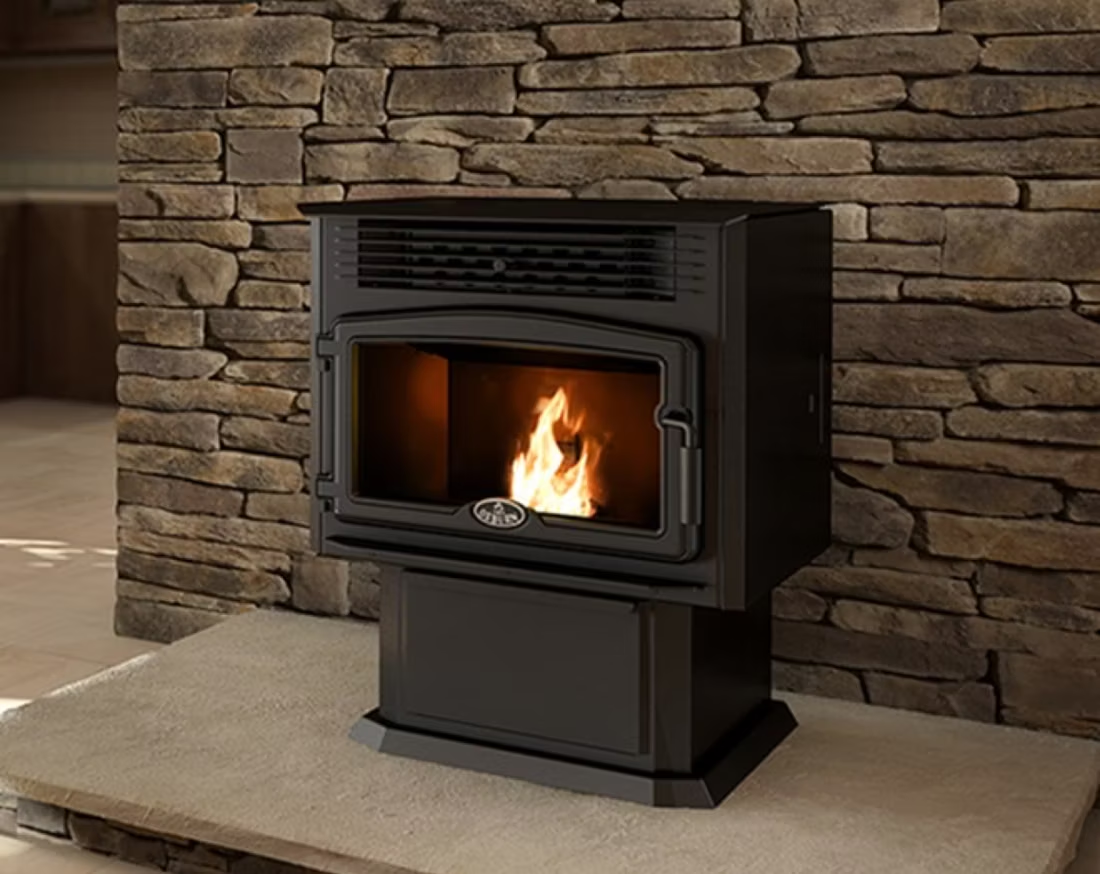
Still, a small number of West Columbia and Lexington County homeowners install pellet stoves—usually for the ambiance of a real flame without cutting or stacking wood, as backup heat during the ice storms that occasionally knock out power in the Midlands, or for a mountain cabin or vacation property elsewhere in the Carolinas where pellet heat makes more sense. Regional pellet brands like Lignetics, Hamer Pellet Fuel, and Greenway Renewable Energy supply the broader South Carolina market, though you'll typically special-order bags rather than find them stocked at every hardware store in town.
Three steps. No salesperson until you're ready.
Tell us about your project
Your zip code, your situation, and the fuel you're leaning toward—or let the answers point you to one.
See what's actually available
The brands dealers within 100 miles genuinely carry—real options, never a catalog mirage.
Get your dealer & Project Guide
A trusted local dealer, plus the free Project Guide & Parts List that names every component of the job.
Frequently Asked Questions
How much does a pellet stove installation cost in West Columbia?
Because pellet stoves are installed far less often here than in colder parts of the country, there isn't a deep local market of installers competing on price the way there is for gas fireplaces. Nationally, a typical pellet stove or insert installation runs $3,500 to $6,500 depending on the unit, venting path, and whether an existing masonry fireplace is being converted. In West Columbia, expect to be on the higher end of that range if the installer has to route venting through an exterior wall or if pellet-specific parts need to be special-ordered rather than pulled off a shelf.
Does pellet heat actually make sense in West Columbia's climate?
For most homes, no—not as a primary heat source. With only about 2,473 heating degree days a year and winter lows averaging 35°F, the Midlands simply doesn't have the sustained cold that makes a pellet stove's fuel cost and maintenance worthwhile compared to a heat pump or gas system. Where pellet heat does make sense is as supplemental or backup heat: a stove in a den or bonus room that gets used a handful of weeks a year, or as a hedge against the ice storms that occasionally take down power lines in Lexington County.
Where can I buy wood pellets near West Columbia?
Supply is thinner here than in pellet-heavy regions of the country, so most homeowners plan ahead rather than expect year-round shelf stock at every big-box store. Hamer Pellet Fuel, based in South Carolina, and regional suppliers like Lignetics and Greenway Renewable Energy distribute into the Midlands market, but you may need to order a season's worth of bags in advance—typically in fall before demand (such as it is) picks up. Your local dealer can usually point you to whichever supplier restocks most reliably in the West Columbia area.
Do I need a permit to install a pellet stove in West Columbia?
Yes—new pellet stove and insert installations require a building permit through Lexington County Building Inspections, since West Columbia falls within Lexington County's jurisdiction. The permit covers the venting and any electrical work for the unit's auger and blower. Most hearth dealers who install pellet appliances in this area handle the permit application as part of the job, since they're familiar with the inspection requirements even though pellet installs are less frequent here than gas or electric work.
Will a pellet stove work if the power goes out?
No—this is the single biggest limitation to know about before choosing pellet heat in West Columbia. Pellet stoves rely on an electric auger to feed fuel and a blower to circulate heat, so when Dominion Energy South Carolina service drops during a storm, the stove stops working unless you have a battery backup or generator running. For homes specifically looking for backup heat during ice storms and outages, a wood-burning insert or a vented gas unit is usually a more reliable choice, since both can operate without grid power.
What's a better option than pellet for backup heat in West Columbia?
If emergency heat during a power outage is the main goal, a direct-vent gas fireplace or insert is generally the stronger fit for this area—natural gas and propane systems are widely available locally, and many models include battery-backup or self-generating ignition that keeps working when the grid doesn't. A wood-burning stove is the other option, since it needs no electricity at all. Pellet heat is worth considering mainly if convenience and clean-burning ambiance matter more to you than outage resilience.
What size pellet stove would a West Columbia home need?
Given the mild climate, most West Columbia installations are sized for supplemental heat in a single room or open living area rather than whole-home heating—typically a small to mid-size unit rated for 1,000 to 1,800 square feet is more than enough. Oversizing is a common mistake even in cold climates, and it's especially easy to do here, where a stove rarely needs to run at full output. A local dealer can size the unit correctly based on your room's square footage and insulation rather than the appliance's maximum rating.
How do I find a dealer who actually installs pellet stoves in West Columbia?
Because pellet appliances are a niche request in this market, not every hearth retailer in the Columbia metro carries them, and fewer still install them regularly. That's the gap Find My Fireplace closes—I match you with a trusted local dealer who genuinely stocks and installs pellet equipment (rather than a big-box counter that just orders whatever's cheapest), so you're not the installer's first-ever pellet job. You'll get a free Project Guide & Parts List specific to your home before you commit to anything.
Pellet stove vs. gas insert—which fits West Columbia better?
For most homes here, gas wins. Natural gas and propane service are common throughout West Columbia and Lexington County, gas inserts run without any fuel storage or electricity to power an auger, and they deliver instant, adjustable heat that suits the area's short, mild winters. Pellet stoves offer a real-flame look and don't require a gas line, but they need a steady pellet supply that isn't always convenient to source locally and won't run without power. If you specifically want the pellet aesthetic or are heating a detached space without gas service, it can still be the right call—just go in knowing it's the less common choice in this climate.
What's the difference between an insert and a zero-clearance fireplace?
An insert is a fireplace that slides into a pre-existing wood-burning fireplace—if you don't have one, there's nothing to insert it into. A zero-clearance fireplace is built into a framed wall, which makes it the answer for remodels and new construction. Simple test: existing masonry fireplace means insert; blank or framed wall means zero-clearance.
How often does a pellet stove need cleaning?
A clean pellet stove is a happy pellet stove. Plan on cleaning the burn pot about once a week when you're burning regularly—ash and clinkers gum up the air holes just like a pellet barbecue. Most pellet stove problems trace back to skipped cleaning that nobody explained up front. Some designs make it easy with a trapdoor burn pot: pull a lever and the gunk drops into the ash pan.
Does a fireplace add value to my home?
On average, a fireplace adds back to the home about the same amount you spent installing it. Add the monthly savings from heating the rooms you actually use instead of the whole house—often hundreds of dollars a year—and the value case is strong before you even count what a fire does for how your family uses the room.
What is an in-home preview and do I need one?
It's a visit where a hearth professional measures your space, confirms the model you picked actually works in your home, and walks the specs—framing, gas line, venting, finish work—before anything is ordered. Some details you just can't know until you see the house. Never make a down payment without one; it's the single most-skipped step that burns buyers.
Nearby Dealers
Hearth shops serving West Columbia and the surrounding area. Every listing shows whether it is a WhyFire partner, a dealer we have verified as authorized for the brands we recommend, or a local business carrying hearth products. No manufacturer pays for placement. How we verify dealers →
Edisto Gas - Columbia
Meetze Plumbing Co Inc
Palmetto Propane, Fuels, & Ice
Comfort Control Air
Southern Propane
Ridge Lp Gas Inc.
Barnes Oil And Propane
Pellet Brands Stocked Around West Columbia
Manufacturers will point you to the nearest stocking dealer.
Find your pellet stove in West Columbia.
Tell us about your home and we'll match you with a local dealer who genuinely stocks and installs pellet equipment—plus a free Project Guide & Parts List built for your specific project.
Find Your Fireplace →