
Efficient pellet heat, built for Columbia County winters.
From Bloomsburg to Berwick to the ridge-and-valley farm country in between, pellet stoves deliver thermostat-like, hands-off heat through Columbia County's five-month heating season. We'll match you with a trusted local dealer who sizes the unit correctly and handles the install.
Every Project Starts From One of These Five Situations
Consistent warmth without the wood-splitting.
Columbia County sits in Pennsylvania's ridge-and-valley Appalachians along the Susquehanna River, with winter lows averaging 19°F and a winter heating load in the same neighborhood as Buffalo, NY. From the county seat in Bloomsburg to Berwick, Millville, and the farmland stretching out toward Orangeville, homeowners here heat through a long, damp winter that rewards steady, controllable heat over the boom-and-bust cycle of an open fire.
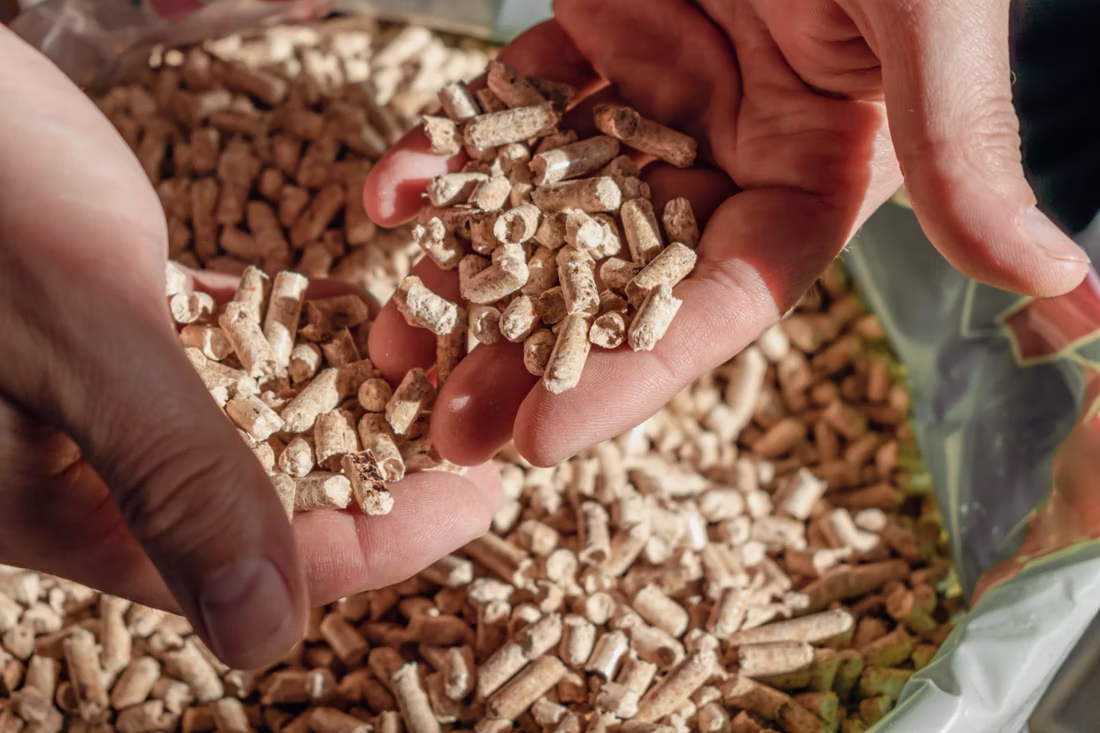
That's where pellet appliances earn their place. Load the hopper, set the thermostat, and walk away—no splitting, no stacking, no creosote buildup to worry about. Columbia County also sits close to the source: regional hardwood pellet producers including Hamer Pellet Fuel, Energex, and Greene Team Pellet Fuel supply the mid-Atlantic market from mills not far from the county line, feeding off the same oak, hickory, maple, and cherry forests that have always defined this part of Pennsylvania. With no air quality non-attainment issues or curtailment periods in the county, pellet stoves here run purely on convenience and efficiency, not regulatory pressure.
Three steps. No salesperson until you're ready.
Tell us about your project
Your zip code, your situation, and the fuel you're leaning toward—or let the answers point you to one.
See what's actually available
The brands dealers within 100 miles genuinely carry—real options, never a catalog mirage.
Get your dealer & Project Guide
A trusted local dealer, plus the free Project Guide & Parts List that names every component of the job.
Frequently Asked Questions
How much does a pellet stove installation cost in Columbia County?
A typical freestanding pellet stove installation in Columbia County—unit, venting through an exterior wall, and a dedicated electrical outlet—usually runs $3,500 to $6,500. Pellet inserts that go into an existing masonry fireplace, which requires a stainless liner run up the flue and sometimes hearth modifications for hopper access, tend to land closer to $4,500 to $7,500. Costs shift with the brand, hopper size, and whether your home already has a chimney to work with or needs new through-wall venting installed from scratch. A local dealer will confirm the number after seeing your fireplace or the room you're heating.
What size pellet stove do I need for my home?
Sizing depends on square footage, ceiling height, insulation, and whether the stove is your primary heat source or a supplement to a furnace. Given Columbia County's heating load—nearly 6,000 degree days a year and winter lows regularly in the teens—a small unit rated for 1,000 to 1,500 square feet works fine as supplemental heat in a well-sealed newer home, but older farmhouses or homes with drafty additions common throughout the county's rural townships often need a mid-size unit rated for 1,800 to 2,200 square feet to keep pace on the coldest nights. A local dealer will walk your home and size it based on layout, not just square footage on paper.
Where can I find certified pellet stove installers near me?
Look for NFI (National Fireplace Institute)-certified installers, which indicates formal training in venting, clearances, and hopper wiring specific to pellet appliances. Because Columbia County covers a mix of boroughs—Bloomsburg, Berwick—and surrounding townships, coverage varies by installer, so confirm they service your specific address before booking. Most hearth retailers in the region install what they sell, which keeps warranty coverage and code compliance under one roof rather than splitting the job between a store and a separate contractor.
What's the difference between a pellet stove and a pellet insert?
A pellet stove is a freestanding appliance that sits on a hearth pad and vents through a wall or existing chimney—it can go almost anywhere with the right clearances, which makes it a good fit for homes without a fireplace at all. A pellet insert is built to slide into an existing masonry fireplace opening, reusing the chimney (with a liner) as the vent path. For Columbia County's older housing stock—plenty of it built with traditional masonry fireplaces around Bloomsburg and Berwick—an insert is often the cleaner upgrade because it keeps the existing hearth footprint while converting a drafty open fireplace into a real heat source.
Do I need a permit to install a pellet stove in Columbia County?
Yes. Pennsylvania's Uniform Construction Code (UCC) governs solid-fuel appliance installations statewide, but because Columbia County is made up of individual boroughs and townships, permits are pulled locally rather than through one countywide office—Bloomsburg, Berwick, and each township maintain their own code enforcement. Most established hearth dealers handle the permit application and inspection scheduling as part of the installation, so you typically don't have to track down the right office yourself.
What's the best pellet stove for Columbia County's climate?
For a heating load like Columbia County's—winter lows averaging 19°F and long, steady cold rather than extreme cold snaps—a mid-size pellet stove with a large hopper (40+ pounds) cuts down on daily refilling during the peak of the season. Harman, headquartered just up the road in Halifax, PA, is a common recommendation for homeowners in this part of the state, along with other established brands local dealers carry. If backup heat during winter storm power outages matters to you—a real consideration on the county's rural roads—ask about battery backup options, since pellet stoves require electricity to run the auger and combustion blower.
Where can I buy pellet fuel in Columbia County?
Regional hardwood pellet brands including Hamer Pellet Fuel, Energex, and Greene Team Pellet Fuel are widely stocked at hearth retailers and farm supply stores throughout central Pennsylvania, with Columbia County well within their normal distribution range given the mills' proximity. Pricing generally runs in the low-to-mid hundreds per ton, with the best rates on full-pallet or truckload purchases made in late summer before demand picks up. Buying early and storing pellets somewhere dry—a garage or basement rather than an unheated shed—keeps the fuel from breaking down before you burn it.
How much maintenance does a pellet stove need?
Pellet stoves need more frequent light maintenance than wood stoves but far less heavy cleaning. Plan on emptying the ash pan every few days during regular use, wiping the glass weekly, and cleaning the burn pot and heat exchanger tubes every one to two weeks depending on pellet quality. An annual professional service—checking the exhaust motor, gaskets, and venting—is worth scheduling before the season starts, similar to servicing a furnace. Skipping this is the most common reason pellet stoves lose efficiency or start smoking back into the room.
Pellet stove vs. wood stove—which is right for my home?
Wood stoves work without electricity, which matters during the ice storms that periodically knock out power across Columbia County's rural stretches, and they pair well with the abundant oak, hickory, maple, and cherry that grow throughout the county. Pellet stoves trade that off-grid capability for thermostat control, longer unattended burn times, and far less physical labor—no splitting, stacking, or hauling cordwood. If you're in town with reliable power and want the most convenient heat available, pellet usually wins. If you're on a rural property where outages run long and you want heat regardless of the grid, wood—or a pellet stove paired with a battery backup—is the safer bet. A local dealer can walk through both options against your specific property.
Why is my open fireplace making my house colder?
Open fireplaces suck—literally. As the fire burns, it consumes air your furnace already paid to heat and pulls it out through the chimney, so the house is actually colder after the fire goes out than before you lit it. An insert fixes this: it seals the chimney, puts fixed glass across the front, and turns that hole in your house into a real heat source.
What's the difference between an insert and a zero-clearance fireplace?
An insert is a fireplace that slides into a pre-existing wood-burning fireplace—if you don't have one, there's nothing to insert it into. A zero-clearance fireplace is built into a framed wall, which makes it the answer for remodels and new construction. Simple test: existing masonry fireplace means insert; blank or framed wall means zero-clearance.
Does a fireplace add value to my home?
On average, a fireplace adds back to the home about the same amount you spent installing it. Add the monthly savings from heating the rooms you actually use instead of the whole house—often hundreds of dollars a year—and the value case is strong before you even count what a fire does for how your family uses the room.
Can I install a fireplace myself?
If you're putting a fire in your house on purpose, it's best to work with an expert. Unless you're genuinely experienced in framing, gas line, vent pipe, and the national code on clearances to combustibles, have a professional do it—and ideally the same company that sells you the fireplace, so warranty, service, and liability all live under one roof.
Stove and Fireplace Dealers in Columbia County
Pellet Brands Stocked Around Columbia County
Manufacturers will point you to the nearest stocking dealer.
Get matched with a Columbia County pellet dealer.
Tell us about your home and heating goals, and we'll match you with a trusted local dealer plus a free Project Guide & Parts List—a plan for your pellet stove or insert project in Columbia County, with the exact parts, venting, and hopper setup spelled out.
Find Your Fireplace →