
Pellet stoves are rare in Jackson County—but not out of reach.
With average winter lows near 25°F and just a light overall winter heating workload, Altus, Elmer, and the rest of Jackson County lean on central gas heat and the occasional oak or mesquite fire—not pellet stoves. For the handful of homeowners who still want one, a vetted local dealer can get it installed and vented correctly.
Every Project Starts From One of These Five Situations
A fuel built for winters harder than Jackson County's.
Jackson County sits in climate zone 3A, in the hot-humid belt of southwest Oklahoma, where winter is short and mild by national standards—an average low of 25°F and a light overall winter heating workload, a fraction of what a place like Bismarck, ND or Duluth, MN logs in a single season. Most Altus-area homes rely on central gas furnaces for daily heat, with a wood-burning fireplace or stove—often burning oak, hickory, or mesquite cut locally—kept for cooler evenings or backup during ice storms. Pellet stoves, which are engineered to carry a heavy heating load for months at a time, don't have much of a job to do here.
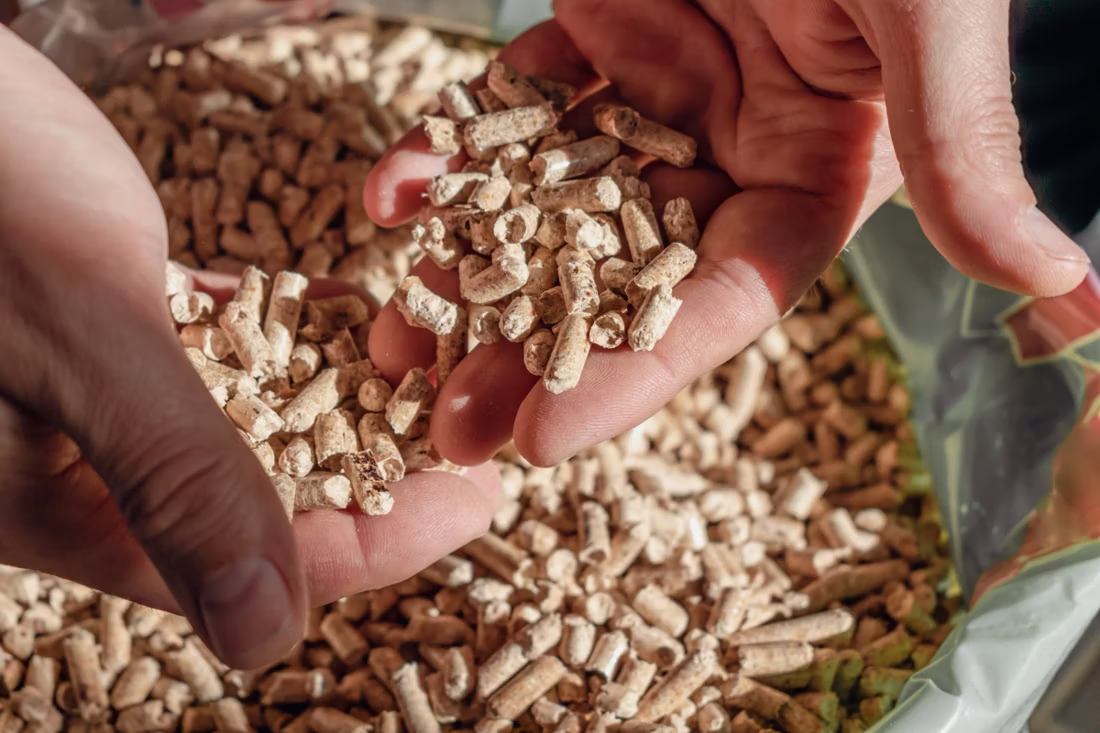
That doesn't mean a pellet stove is off the table—it just means the market is thin. There's no dense network of hearth retailers stocking pellet units and bagged fuel the way you'd find in Minnesota or Wisconsin. Regional suppliers like Lignetics and Indeck Energy Services still serve the broader region, so a local dealer can special-order a unit and a pallet of pellets for a workshop, a detached shop building, a hunting cabin, or a farmhouse room that central heat doesn't reach well. The key is working with someone who orders the right stove and vent kit for the actual job, rather than guessing.
Three steps. No salesperson until you're ready.
Tell us about your project
Your zip code, your situation, and the fuel you're leaning toward—or let the answers point you to one.
See what's actually available
The brands dealers within 100 miles genuinely carry—real options, never a catalog mirage.
Get your dealer & Project Guide
A trusted local dealer, plus the free Project Guide & Parts List that names every component of the job.
Frequently Asked Questions
Does a pellet stove make sense for a home in Jackson County?
For most primary living spaces, no—with average winter lows around 25°F and only a light overall winter heating workload, a central gas furnace already covers the heating load, and many Jackson County homes keep a wood-burning fireplace for the occasional cold front. Pellet stoves earn their keep in colder, longer winters where they run for months straight. Where a pellet stove does make sense locally is a detached workshop, garage, or an add-on room that central ductwork doesn't reach—situations where a thermostatically controlled, hands-off heat source is worth the setup.
How much does it cost to install a pellet stove in Jackson County?
Nationally, a pellet stove installation typically runs $3,500 to $7,000 depending on the unit and venting, but Jackson County doesn't have the installer density that markets like Tulsa or Oklahoma City do, so expect a wider quote range and possibly a trip charge if your dealer is based in Lawton or farther out. Because so few homes here run pellet as primary heat, most installs are one-off jobs—a workshop, a shop building, or a single room—rather than whole-home systems, which usually keeps the venting and labor scope smaller than a full retrofit.
Where can I buy pellet fuel in Jackson County?
Pellets aren't stocked on pallets at the local hardware store the way firewood is. Regional suppliers like Lignetics and Indeck Energy Services distribute through the wider south-central region, and a hearth dealer who sells you a stove can usually set up ongoing bag or pallet orders, or point you to the nearest farm and ranch supply store in Lawton or Wichita Falls that carries bagged pellets seasonally. Buying a season's worth in one order, rather than a bag at a time, is the more reliable approach here.
Why don't more Jackson County homes burn pellets instead of wood or gas?
It comes down to climate and habit. Jackson County's winters are short and mild compared to the northern Plains or Upper Midwest, so the heating load a pellet stove is built to carry—burning steadily for four to six months—just doesn't exist here in most homes. Gas is already piped to most in-town properties around Altus, and rural households have long relied on oak, hickory, and mesquite for backup heat and ambiance. Pellet stoves never displaced either habit.
Will a pellet stove work as backup heat during a power outage?
Not without help. Pellet stoves rely on an electric auger to feed fuel and a blower to push heat into the room, so they shut down when the power does—a real consideration in a part of Oklahoma that sees its share of ice storms and severe spring weather. A battery backup or small generator can keep one running through a short outage, but if backup heat during outages is your main goal, a wood-burning stove or fireplace, which needs no electricity, is the more dependable choice for this area.
Pellet vs. gas vs. wood—which is right for my Jackson County home?
Gas wins for daily convenience and is already available to most homes around Altus—no fuel storage, no ash, instant heat. Wood, burning locally available oak, hickory, or mesquite, wins for backup heat during power outages and for homeowners who already have a fireplace or chimney. Pellet sits in a narrow middle spot: cleaner and more automated than wood, but it needs electricity and a fuel supply chain that isn't built out locally. For most Jackson County homes, gas or wood covers the need; pellet is worth considering mainly for a detached space that needs its own dedicated, thermostat-controlled heat source.
What size pellet stove do I need?
Given Jackson County's mild heating load, most applications here call for a small to mid-size unit—enough to heat a single room, a workshop, or an outbuilding rather than a whole house. A stove rated for 1,000 to 1,500 square feet is plenty for most of the supplemental or outbuilding use cases that come up locally. A dealer sizing your specific space will factor in insulation and ceiling height, but oversizing is a common mistake in a climate this mild—you'll end up running the stove on its lowest setting most of the time.
Do I need a permit to install a pellet stove in Jackson County?
Most likely yes, if you're inside Altus city limits or another incorporated town—check with your local building department before installation. Unincorporated parts of Jackson County typically fall under county building oversight for the electrical and venting work involved. Because pellet installs are uncommon here, it's worth confirming permit requirements directly rather than assuming the process mirrors a more pellet-heavy market—a local dealer who has actually pulled one of these permits before is worth seeking out.
What pellet stove brands are actually available near me?
Because Jackson County doesn't have a hearth retailer stocking pellet stoves the way you'd find in a colder market, expect your dealer to special-order a unit from a national manufacturer rather than pull one off a showroom floor. Fuel-wise, Lignetics and Indeck Energy Services both distribute in the broader region and are common sources for bagged pellets once your stove is installed. Ask any dealer you're considering how many pellet installs they've actually done—in a market this small, that experience varies a lot from one installer to the next.
How often does a pellet stove need cleaning?
A clean pellet stove is a happy pellet stove. Plan on cleaning the burn pot about once a week when you're burning regularly—ash and clinkers gum up the air holes just like a pellet barbecue. Most pellet stove problems trace back to skipped cleaning that nobody explained up front. Some designs make it easy with a trapdoor burn pot: pull a lever and the gunk drops into the ash pan.
Why is my open fireplace making my house colder?
Open fireplaces suck—literally. As the fire burns, it consumes air your furnace already paid to heat and pulls it out through the chimney, so the house is actually colder after the fire goes out than before you lit it. An insert fixes this: it seals the chimney, puts fixed glass across the front, and turns that hole in your house into a real heat source.
Can a fireplace actually lower my heating bill?
Yes—by creating a comfort zone. A furnace heats every square foot of the house just to warm the one room you're in; a gas fireplace on low burns roughly a sixth of the gas a typical furnace does. Set the furnace around 55–60 degrees as a baseline, then heat the rooms your family actually uses. Families who heat this way commonly save $20–$60 a month.
Can I install a fireplace myself?
If you're putting a fire in your house on purpose, it's best to work with an expert. Unless you're genuinely experienced in framing, gas line, vent pipe, and the national code on clearances to combustibles, have a professional do it—and ideally the same company that sells you the fireplace, so warranty, service, and liability all live under one roof.
Pellet Brands Stocked Around Jackson County
Manufacturers will point you to the nearest stocking dealer.
Find your pellet stove in Jackson County.
Tell us about your space—a workshop, a shop building, or a room central heat doesn't reach—and we'll match you with a trusted local dealer and send over a free Project Guide & Parts List with the exact stove, vent kit, and parts for your Jackson County project.
Find Your Fireplace →