
Find your fireplace across the Kivalliq Region.
From Rankin Inlet to Arviat, Baker Lake, Coral Harbour, Naujaat, Chesterfield Inlet, and Whale Cove, this is a treeless, diesel-powered region where electric fireplaces do the real work. We help you reach the dealers who actually serve the North and plan your project around freight and sealift timing.
Every Project Starts From One of These Five Situations
Minus 34°C winters, no trees, and power from diesel.
The Kivalliq Region spans seven communities on the western Hudson Bay coast and inland around Baker Lake, with roughly 10,160 people total and no road connection to the rest of Canada. Winters here average near minus 34.4°C at the coldest, placing the region in climate zone 8—the harshest heating category Canada tracks, colder than a typical January in Winnipeg or Thunder Bay by a wide margin. The heating season runs nine months or more, and every home leans on it heavily: heating fuel oil arrives once a year by sealift, and every community generates its own electricity at a diesel plant, with the Nunavut Electricity Subsidy Program covering part of the first 700 to 1,000 kWh a month for non-government households.
That logistics reality shapes what a fireplace actually looks like up here. The Kivalliq Region sits well above the treeline, so there is no public fuelwood program and no wood to cut—any firewood would have to be shipped in at real cost, which makes wood stoves a rare, deliberate choice rather than a default. Natural gas mains don't exist, and propane that does arrive is mostly committed to cooking and space heating, so gas fireplaces are uncommon too; pellets aren't sold in any Kivalliq community, so a pellet stove means shipping in fuel indefinitely. Electric fireplaces, by contrast, plug into power that's already being generated in-community and need no fuel supply chain at all, which is why electric is the standard, practical fuel here. If you do pursue a wood appliance, CSA B365 governs the installation and insurers typically want a WETT inspection on file; permits for any hearth appliance go through your municipal or territorial building inspector. This hub rolls up what's realistic for each Kivalliq community—pick your fuel below for honest guidance on what's actually available this far north.
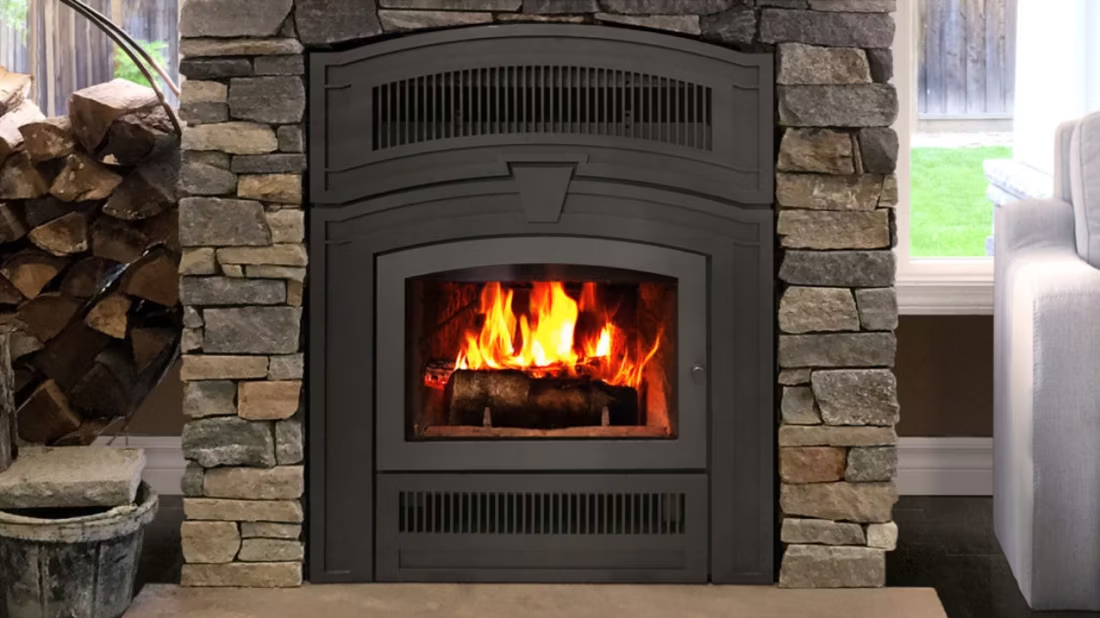
Four fuels. One honest answer for Kivalliq Region.
Three steps. No salesperson until you're ready.
Tell us about your project
Your postal code, your situation, and the fuel you're leaning toward—or let the answers point you to one.
See what's actually available
The brands dealers within 100 miles genuinely carry—real options, never a catalog mirage.
Get your dealer & Project Guide
A trusted local dealer, plus the free Project Guide & Parts List that names every component of the job.
Frequently Asked Questions
Which fireplace fuel actually makes sense in the Kivalliq Region?
Electric is the standard choice across every Kivalliq community, and for good reason: it draws on power that's already being generated in-community, needs no separate fuel supply, and installs without any venting at all. Wood, gas, and pellet fireplaces are all genuinely rare here—not because they don't work, but because the region sits above the treeline with no firewood to cut, has no mains natural gas, and doesn't have pellets sold in any community. A homeowner who wants one of those three fuels can still get there, but it means committing to shipping fuel or appliance parts in on a regular basis, which is a real planning decision, not a default.
Is a wood stove or wood fireplace realistic here?
It's possible but uncommon, and it's worth going in with eyes open. The Kivalliq Region is above the treeline, so there's no public fuelwood program and nothing to cut in the region—any firewood has to be shipped in, typically by sealift, which adds real cost and means planning a year of supply at a time rather than restocking as needed. If you do install a wood appliance, CSA B365 is the installation code that applies, and most insurers will ask for a WETT inspection before they'll cover it. Permits go through your municipal or territorial building inspector. For most households here, that combination of logistics pushes the decision toward electric instead.
Can I get a gas fireplace if there's no natural gas service?
There's no mains natural gas anywhere in the Kivalliq Region, so a gas fireplace here means propane, not piped gas. Propane does reach these communities, but what arrives is largely committed to cooking and existing space heating, and few dealers stock gas fireplace units built for northern freight and cold-weather venting. It's not impossible—some homes do run a propane appliance—but it's a deliberate, higher-cost choice involving tank setup and ongoing propane deliveries, and worth discussing directly with a dealer before you commit.
What about pellet stoves—are pellets available locally?
No Kivalliq community sells pellets, so a pellet stove here means shipping bags in indefinitely, the same way heating fuel oil arrives by sealift. Pellets are heavy and bulky relative to the heat they produce, which makes ongoing freight costs add up fast compared to a fuel that's already being delivered for another purpose, like the diesel powering your electricity. Pellet stoves stay a rare, enthusiast choice in this region rather than a practical primary heat source.
How does installation or service even work when the nearest dealer is hundreds of kilometres away?
We help you reach a dealer who actually serves northern projects rather than pretending one operates out of Rankin Inlet or Baker Lake storefronts that don't exist. Expect to coordinate shipping of the fireplace and any venting parts well ahead of installation, and call your dealer early about sealift windows if freight is going by water—sealift to Kivalliq communities runs on a short summer schedule, and missing it can mean waiting until the following year. If a technician needs to travel in for setup or service, book that trip well before freeze-up, since weather and flight schedules get far less predictable once winter sets in.
Why do costs here run higher than typical Canadian pricing, and how should I budget?
Every cost in a Kivalliq fireplace project carries freight and travel on top of the unit itself—shipping an appliance north, flying or shipping in a technician, and timing everything around sealift or air cargo availability all add real dollars that a southern Canadian installer never has to think about. We won't quote a number we can't stand behind for your specific community, but budget well above what you'd see in a typical CAD cost range for the South, and build in lead time: ordering a unit and parts list early, before your community's shipping window closes, is the single biggest lever you have over cost and timing.
Nearest Dealers
Hearth shops are few and far apart up north, so these are the closest ones to Kivalliq Region, with how far each one is. Call ahead to ask about delivery and installation in your community. Every listing shows whether it is a WhyFire partner, a dealer we have verified as authorized for the brands we recommend, or a local business carrying hearth products. No manufacturer pays for placement. How we verify dealers →
McMunn & Yates
McMunn & Yates
Find the dealer who can actually reach the Kivalliq Region.
Tell us about your home and your community, and we'll help you find a dealer who genuinely serves the North, plus a free Project Guide & Parts List—the right electric fireplace or appliance, the parts it needs, and guidance on timing delivery around freight and sealift schedules.
Find Your Fireplace →