
Keep Your Family Warm and Safe—No Matter What
Coral Harbour sits on Southampton Island with winter lows averaging -34.4°C and no forest within reach. Wood heat is possible here, but it means freighted-in firewood and a stove that arrives by sealift or air cargo. We'll help you find the nearest dealer who can plan it properly.
Every Project Starts From One of These Five Situations
There's no forest to feed a wood stove.
Coral Harbour is above the treeline, so the usual starting point for a wood-heat page—what species grow nearby, where to buy a cutting permit—simply doesn't apply. There's no public fuelwood program because there's nothing standing to harvest. Winters here go well beyond what even Whitehorse or Thunder Bay see, with average lows of -34.4°C and a heating season that runs most of the year. Most homes in town are built around oil-fired furnaces supplied by sealift, with electricity generated at the local diesel plant and sold through Qulliq Energy Corporation at roughly $0.75 per kWh—a rate the Nunavut Electricity Subsidy Program partially offsets on the first 700 to 1,000 kWh a month for non-government households.
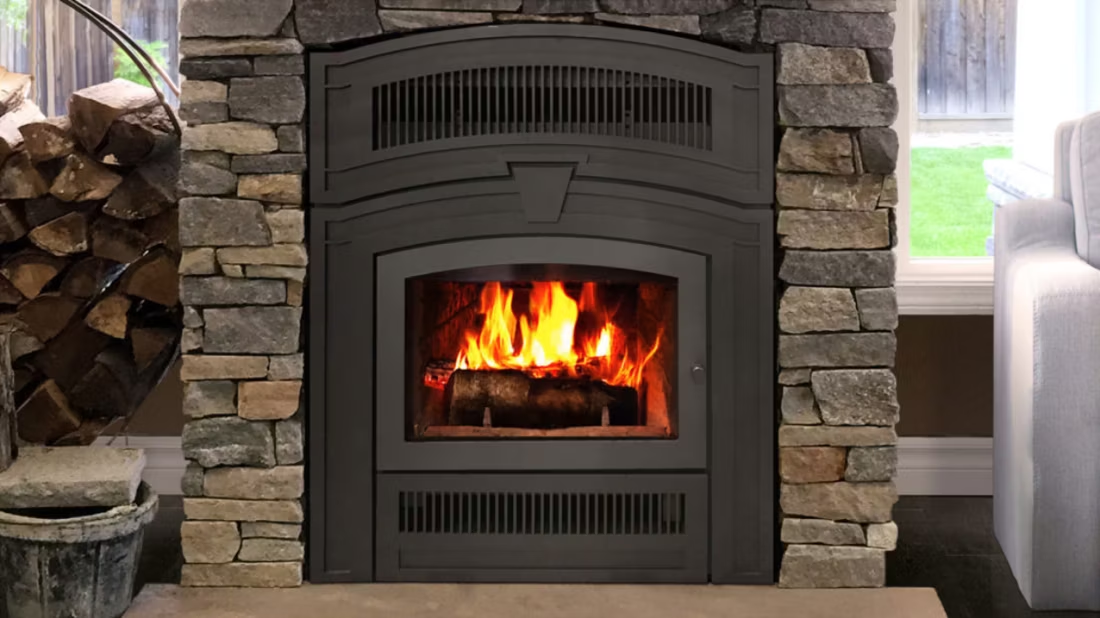
That context is why wood sits in the rare category for Coral Harbour rather than the standard one—it's a real option for a handful of households, not a mainstream heating path. Anyone who does install a wood stove is burning firewood that was freighted in, either on the summer sealift or by air cargo the rest of the year, which adds real cost on top of the appliance itself. Installation still has to follow the CSA B365 code, and most insurers want a WETT inspection on file for any wood-burning appliance before they'll write a policy, so the paperwork side is identical to anywhere else in Canada even though the fuel supply is not.
Firewood Cutting Permits Near Coral Harbour
No Public Fuelwood Program (No Forests To Cut)
Three steps. No salesperson until you're ready.
Tell us about your project
Your postal code, your situation, and the fuel you're leaning toward—or let the answers point you to one.
See what's actually available
The brands dealers within 100 miles genuinely carry—real options, never a catalog mirage.
Get your dealer & Project Guide
A trusted local dealer, plus the free Project Guide & Parts List that names every component of the job.
Frequently Asked Questions
Is a wood stove actually practical in Coral Harbour?
For most households, no—it's the exception, not the norm. Coral Harbour is above the treeline, so there's no firewood to cut locally, and every stick has to be brought in by sealift or air freight. A small number of homes do run a wood stove as a secondary heat source alongside an oil furnace, usually households who already have a reliable way to get cordwood shipped north. If you're weighing wood against other options here, go in clear-eyed that you're managing a supply chain, not a woodlot.
How much does a wood stove installation cost in Coral Harbour?
Installed wood stoves typically run $6,000 to $12,000 CAD in southern Canada, and that's the honest baseline to start from. In Coral Harbour, freight on the stove, chimney pipe, and hearth materials pushes the real number higher, and the cost of getting firewood to your door every year is on top of that again. A dealer who serves Nunavut can tell you what a specific model and vent run will actually land at once freight is priced in—ask for that number before you commit, since it will run well past the southern range.
Where does firewood come from if there are no trees around Coral Harbour?
It comes in the same way most goods do here—by sealift during the short open-water window, or by air cargo the rest of the year. There's no public fuelwood program and no cutting permit to buy, because there's no forest within reach of the community to issue one for. Anyone running a wood stove in Coral Harbour is effectively importing their heating fuel the same way the town imports its furnace oil, just on a smaller scale.
Do I need a permit or inspection to install a wood stove here?
Yes. Installation has to meet the CSA B365 code, and you'll go through the municipal or territorial building inspector covering Coral Harbour rather than a local building department. Most home insurers in Nunavut also want a WETT inspection on file for any wood-burning appliance before they'll cover it, so budget for that inspection alongside the install itself—it's a standard step a dealer experienced with Kivalliq installations will walk you through.
If wood is rare here, what do most Coral Harbour homes actually heat with?
Fuel oil, brought in by sealift and burned in a furnace, is the backbone of home heating in Coral Harbour, same as most Kivalliq communities. Electricity comes from the community's diesel plant and is sold through Qulliq Energy Corporation, with the Nunavut Electricity Subsidy Program covering part of the bill on the first 700 to 1,000 kWh a month for non-government households. Wood and gas are both rare here by comparison—this is an oil-and-diesel-electric town, and any wood stove is layered on top of that as a secondary source.
Would an electric fireplace make more sense than a wood stove in Coral Harbour?
For many households, yes, simply because it skips the freight problem entirely. An electric fireplace or insert typically installs for $500 to $1,600 and plugs into wiring that's already there, no sealift planning required. The tradeoff is the electricity rate itself—around $0.75 per kWh through Qulliq Energy Corporation, partially offset by the territorial subsidy—so an electric unit works best as supplemental ambiance and spot heat rather than a primary heat source in a climate this cold.
How does a wood stove actually get delivered to Coral Harbour?
Because there's no road network connecting the community south, stoves, chimney pipe, and hearth components typically travel by sealift in the open-water season or by chartered air freight the rest of the year. That means ordering months ahead rather than weeks, especially if you're aiming for a sealift slot. A dealer who regularly ships to Nunavut communities will know the realistic lead times for your specific delivery window—ask early, since missing a sealift season can push a project back a full year.
What code applies to a wood stove installation in Coral Harbour?
CSA B365 governs the installation itself, covering clearances, venting, and hearth protection, and it applies in Coral Harbour the same as anywhere else in Canada. Sign-off runs through the municipal or territorial building inspector rather than a city building department, since Coral Harbour doesn't have its own. Most insurers additionally want a WETT inspection completed before extending coverage on the appliance, which is worth scheduling as part of the same project rather than as an afterthought.
Is a wood stove worth having as backup heat during a power outage?
It can be, since a wood stove keeps producing heat without power while an oil furnace's electric igniter and blower do not. That's the main argument households in Coral Harbour make for installing one despite the rarity and cost. The catch is that you need firewood already on hand and dried before the outage happens—there's no running to a yard down the road for more, given everything arrives by sealift or air freight on its own schedule. If outage resilience is the goal, plan your wood supply with real margin, not just enough for a normal winter.
Nearest Dealers
Hearth shops are few and far apart up north, so these are the closest ones to Coral Harbour, with how far each one is. Call ahead to ask about delivery and installation in your community. Every listing shows whether it is a WhyFire partner, a dealer we have verified as authorized for the brands we recommend, or a local business carrying hearth products. No manufacturer pays for placement. How we verify dealers →
McMunn & Yates
McMunn & Yates
Get a straight answer on wood heat for Coral Harbour.
Tell us about your home and your timeline, and we'll help you find the nearest dealer who serves Nunavut and send a free Project Guide & Parts List—the exact stove, venting, and parts your project needs, with freight and sealift timing factored in so there are no surprises.ascii
Find Your Fireplace →