
Electric Warmth for Minot AFB's Long Winters.
With a long, demanding heating season and winter lows averaging 2°F, Minot AFB families need supplemental heat that's easy to install and easy to approve. Find the right electric fireplace and connect with a trusted local dealer.
Every Project Starts From One of These Five Situations
Zone heat that clears housing inspections.
Minot AFB sits in climate zone 7 on the exposed prairie of Ward County, one of the most severe heating climates in the Lower 48—closer in feel to International Falls, MN than to most of the continental U.S. With a long, brutal heating season and an average winter low of just 2°F, the base logs stretches of subzero weather most winters, and heating isn't optional, it's constant.
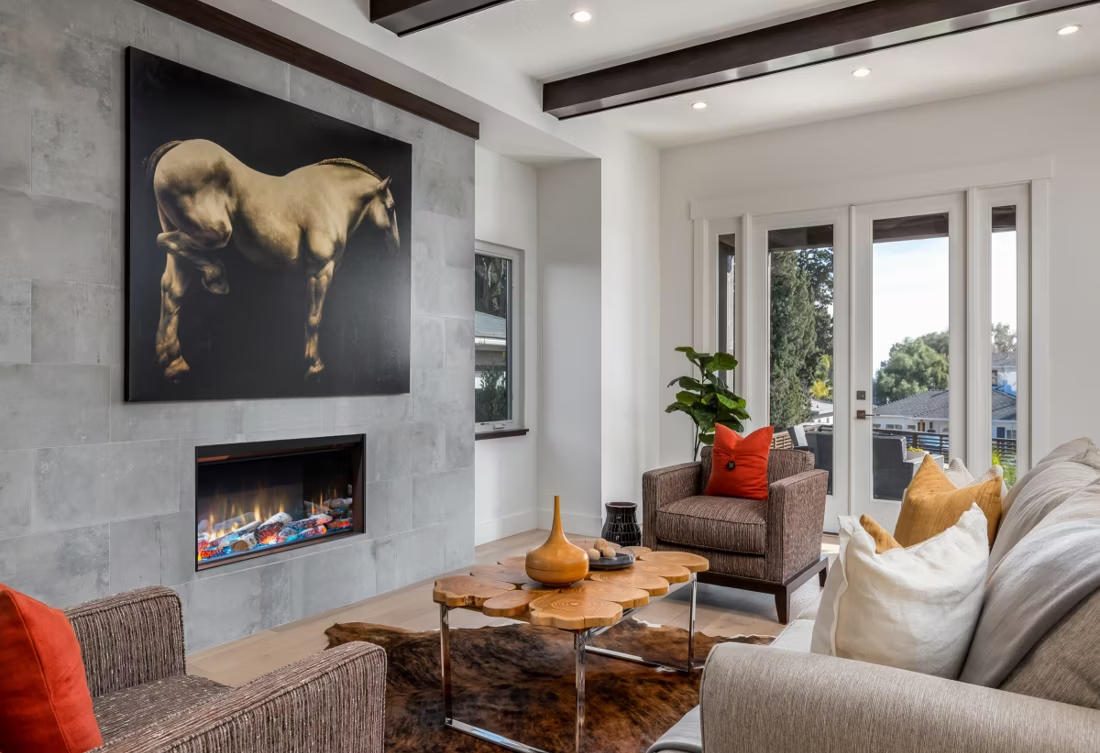
Because Minot AFB is an active installation, most housing here is government-owned or leased family housing managed by the base housing office, and solid-fuel appliances like wood and pellet stoves are essentially never approved due to fire-safety and lease-liability rules common to military housing everywhere. Gas fireplaces remain standard for homeowners in the surrounding 58705 and 58704 zip codes who own their property outright, but for base housing, electric fireplaces and inserts—which need no chimney, no gas line, and no combustion venting—are usually the fireplace option most likely to get approved and installed without a fight.
Three steps. No salesperson until you're ready.
Tell us about your project
Your zip code, your situation, and the fuel you're leaning toward—or let the answers point you to one.
See what's actually available
The brands dealers within 100 miles genuinely carry—real options, never a catalog mirage.
Get your dealer & Project Guide
A trusted local dealer, plus the free Project Guide & Parts List that names every component of the job.
Frequently Asked Questions
How much does an electric fireplace cost to install near Minot AFB?
Plug-in freestanding stoves, mantel packages, and small wall-mount units typically run $300 to $1,200 and need nothing more than an existing outlet—no electrician, no permit, no venting. Built-in wall units or wider linear inserts that require a dedicated 20-amp circuit run higher, usually $1,200 to $2,500 once electrician labor is included. Either way, electric is generally the least expensive fireplace category to install in this area since there's no chimney or gas line work involved.
Can I install a wood or pellet stove in my home at Minot AFB?
In practice, no. Nearly all housing at Minot AFB is managed through the base housing office, and family housing leases prohibit solid-fuel appliances like wood and pellet stoves for fire-safety and liability reasons that apply across virtually every military installation. A handful of privately owned homes elsewhere in Ward County still burn local oak, cottonwood, or ash, but if you live in base housing, wood and pellet stoves simply aren't an approved option—electric or gas are the realistic choices.
Will an electric fireplace actually keep my home warm when it's below zero outside?
Be realistic about this one. Minot AFB's average winter low is 2°F, and subzero stretches are common most winters. A typical electric fireplace runs on about 1,500 watts and produces roughly 4,600 to 5,200 BTU—enough to comfortably heat a single room, not a whole house at these temperatures. Most residents here run electric fireplaces as supplemental zone heat alongside their home's existing furnace, not as a stand-alone heat source, and that's the right expectation to set going in.
What will an electric fireplace cost to run on my electric bill?
Depending on your exact address within the 58705 or 58704 zip codes, your power comes from Montana-Dakota Utilities Co (about $0.1172/kWh), Northern States Power/Xcel Energy (about $0.1698/kWh), or Otter Tail Power Co (about $0.1138/kWh). A standard 1,500-watt fireplace run on its highest setting costs roughly 17 to 25 cents per hour depending on which of those three utilities serves you—call it $1.50 to $2 for a full evening's use, well under the cost of leaning harder on a whole-home furnace.
Do I need approval or a permit to install an electric fireplace at Minot AFB?
If you live in base family housing, any modification—including a built-in or wall-mounted electric fireplace—needs sign-off through the Minot AFB Housing Office before work starts, since they manage every family housing unit on base. For off-base homes in Ward County, a licensed electrician needs to pull an electrical permit only if the unit requires a new dedicated circuit; a simple plug-in unit on an existing outlet usually doesn't. A local dealer can tell you which category your chosen unit falls into before you buy.
What's the difference between a plug-in electric fireplace and a built-in electric insert?
Plug-in units—freestanding stoves, mantel packages, and lighter wall-mount models under about 1,500 watts—run off a standard outlet with no electrician needed, and they move with you in the moving truck, which matters if you're stationed at Minot AFB for a set tour. Built-in inserts and wall units on a dedicated circuit look more like a real fireplace and can be recessed into an existing opening, but they're wired into the wall and much harder to take with you. If a future PCS move is likely, portability is usually the deciding factor.
Is a gas fireplace a better option than electric for a Minot AFB home?
Gas is rated standard for this area for a reason—with such a long, demanding heating season, a gas fireplace can put out 20,000+ BTU, far more usable heat than any electric unit. But gas installs require a gas line and direct or vertical venting, both far less likely to get approved in leased base housing than a cordless electric insert. Homeowners in Ward County who own their property outright have more flexibility to go gas; if you're in base family housing, electric is generally the more realistic path regardless of the heat-output difference.
Can I take my electric fireplace with me if I PCS?
Yes, for freestanding and plug-in models, and it's one of the main reasons military families at Minot AFB lean toward electric. A freestanding stove or mantel-style unit simply unplugs and loads into the moving truck like any other appliance. Built-in wall units and inserts wired into a dedicated circuit are installed into the wall and much harder to relocate, so if another move is likely within a few years, ask your local dealer specifically about portable models before you buy.
What size electric fireplace do I need for my home?
Most freestanding and insert models run 1,000 to 1,500 watts and are rated to heat a single room of roughly 400 to 1,000 square feet—enough for a living room or bedroom zone, not a whole house at Minot AFB's design temperatures. For open living/dining layouts common in base housing floor plans, a wider 50-inch-plus linear insert with around 5,200 BTU output covers more ground, or consider two smaller units in separate rooms rather than one large one. A local dealer can match wattage to your actual square footage.
Can I put a TV above my fireplace?
Yes—with an asterisk. Fireplaces are hot and TVs don't like heat. Either put a mantel between them to deflect rising warmth, or choose a fireplace with heat-management technology that creates a cool zone on the wall above—the wall stays around 125 degrees, barely warm, while the room still gets full heat. If you like clean lines and don't want a mantel, heat management is the answer.
Do electric fireplaces actually produce heat?
Yes—most put out around 4,800–5,000 BTUs from a standard outlet, which comfortably warms a bedroom, office, or den as a comfort-zone heater. What they won't do is carry a whole house the way wood, gas, or pellet can. Think of electric as ambiance-first with honest supplemental heat: flames on with no heat in July, flames plus warmth in January.
Can I install a fireplace myself?
If you're putting a fire in your house on purpose, it's best to work with an expert. Unless you're genuinely experienced in framing, gas line, vent pipe, and the national code on clearances to combustibles, have a professional do it—and ideally the same company that sells you the fireplace, so warranty, service, and liability all live under one roof.
How much should I budget for a fireplace?
For an average home—covering the fireplace, the vent pipe, and basic installation—a budget between $3,900 and $5,500 gives you a lot of options across wood, gas, and pellet. By the time you add finish work, gas line, and electrical, the average complete installation lands between $5,000 and $12,000 all-in. In a remodel or new build, a good rule is to put about 2.5% of the total project cost toward the fireplace.
Nearby Dealers
Hearth shops serving Minot AFB and the surrounding area. Every listing shows whether it is a WhyFire partner, a dealer we have verified as authorized for the brands we recommend, or a local business carrying hearth products. No manufacturer pays for placement. How we verify dealers →
North Central Services, Inc
Sawmill Lumber & Hardware
Electric Service in Minot AFB
An electric fireplace's heater draws about 1,500 watts—pennies per hour at local rates.
Montana-Dakota Utilities Co
Northern States Power Co - Minnesota
Otter Tail Power Co
Find your electric fireplace at Minot AFB.
Tell us a bit about your home—base housing or off-base—and we'll send you a free Project Guide & Parts List: the right unit, any wiring or dedicated-circuit needs, and a matched local dealer who can install it correctly.
Find Your Fireplace →