
Electric warmth built for Foster County's long, hard winters.
With around 9,494 heating degree days a year and winter lows that hover near 0°F, Foster County homes need every heat source they can get. An electric fireplace won't replace your furnace, but it adds no-venting, zone-heat comfort to a farmhouse living room or a Carrington bedroom in minutes. Find the right unit and get matched with a trusted local installer.
Every Project Starts From One of These Five Situations
Zone heat and ambiance for a county with 9,494 heating degree days.
Foster County is small and rural—about 2,342 people spread across farm country around Carrington—and it sits in climate zone 7, one of the coldest zones in the continental U.S. With an average winter low near 0°F and roughly 9,494 heating degree days per year, this county's heating demand rivals places like Fargo or Bismarck and isn't far off International Falls, Minnesota. Most homes here lean on propane furnaces or dual-fuel systems as primary heat, with wood—oak, cottonwood, and ash cut from shelterbelts and river bottoms along the James River—as a long-standing supplemental source in older farmhouses.
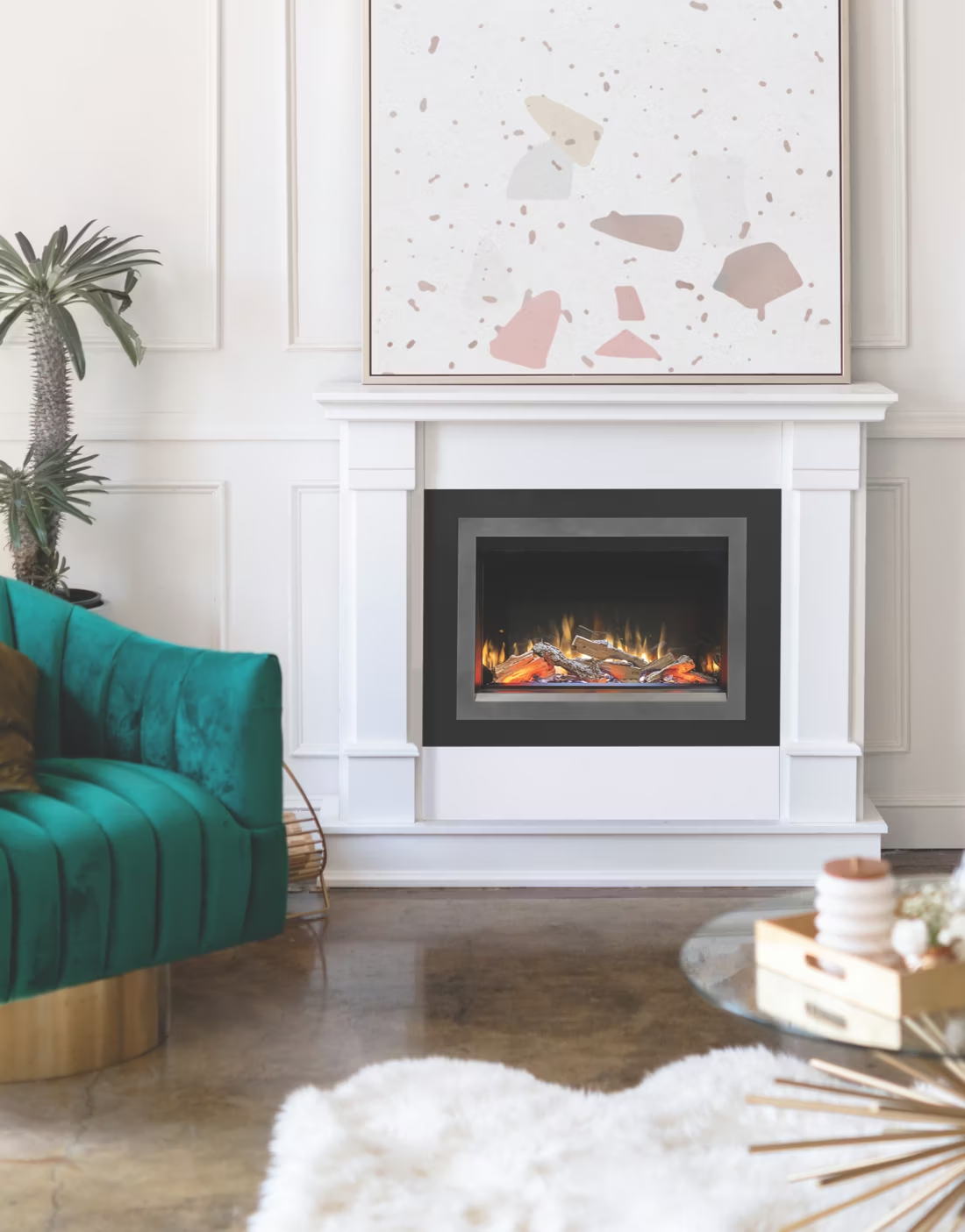
Electric fireplaces fit into that picture as targeted, no-venting comfort rather than a whole-home solution. A 120V plug-in insert or a hardwired 240V built-in unit can take the edge off a drafty bedroom or add real ambiance to a living room without cutting a hole through the wall or running a flue—a meaningful advantage in older farmhouse construction common throughout the county. Most homes here are served by a rural electric cooperative rather than an investor-owned utility, which is typical for a county this size in central North Dakota, and electric heat costs should be weighed against those rates before you count on a unit for anything more than supplemental warmth.
Three steps. No salesperson until you're ready.
Tell us about your project
Your zip code, your situation, and the fuel you're leaning toward—or let the answers point you to one.
See what's actually available
The brands dealers within 100 miles genuinely carry—real options, never a catalog mirage.
Get your dealer & Project Guide
A trusted local dealer, plus the free Project Guide & Parts List that names every component of the job.
Frequently Asked Questions
How much does an electric fireplace installation cost in Foster County?
Most electric fireplace projects in Foster County run $400 to $2,000. A plug-in insert that drops into an existing mantel surround or a freestanding electric stove on the low end requires no electrical work beyond a standard outlet. A built-in wall unit or a larger insert wired to its own 240V circuit sits at the higher end, since it typically means a licensed electrician running new wiring—a real consideration in older Carrington-area homes that may not have a spare circuit nearby. There's no chimney, no venting, and no masonry work, which keeps electric installs simpler and faster than wood or gas projects in this county.
Will an electric fireplace actually heat my home in a Foster County winter?
Not on its own—and it's worth being honest about that. Most electric fireplace heaters top out around 4,600 to 5,000 BTU, which is enough to noticeably warm a single room (roughly 400 to 1,000 square feet depending on insulation) but nowhere near enough to carry a whole house through a night at 0°F. In Foster County's climate zone 7 conditions, electric units work best as zone heat for a bedroom, den, or living room while your propane furnace or dual-fuel system handles the rest of the house. Think of it as comfort and ambiance layered on top of your primary heat, not a replacement for it.
Do I need an electrician to install an electric fireplace in Foster County?
It depends on the unit. Plug-in electric inserts and freestanding stoves that use a standard 120V outlet don't require an electrician—most homeowners handle these themselves. Larger built-in units, especially anything wired for a dedicated 240V circuit, do require a licensed electrician to run the new wiring and tie into your panel safely. Given how spread out Foster County is, it's worth confirming with your local dealer whether the electrician handles the hookup as part of the install or whether you'll need to schedule that separately—it can affect your timeline more than the fireplace installation itself.
What's the difference between an electric fireplace, insert, and stove?
An electric fireplace is typically a built-in unit set into a wall or mantel surround, designed to look like a traditional fireplace. An electric insert is sized to slide into an existing masonry fireplace opening, converting an old wood-burning hearth into a plug-in or hardwired heat source without touching the chimney. An electric stove is a freestanding cabinet-style unit that sits on the floor, similar in footprint to a wood stove but with no venting requirement at all. For Foster County farmhouses with an existing but unused fireplace, an insert is usually the simplest upgrade; for a bedroom or den with no fireplace, a built-in unit or freestanding stove is more practical.
Do I need a permit to install an electric fireplace in Foster County?
For a plug-in insert or freestanding unit, generally no—there's no combustion, no venting, and no structural change involved. If your project involves a hardwired built-in unit that requires new wiring or a dedicated circuit, an electrical permit is typically required, and any framing changes to a wall or mantel may fall under Foster County's building permit process. Most electricians and installers handling a hardwired job will pull the necessary permits as part of the work, so ask your local dealer whether that's included before you schedule.
What's the best electric fireplace for Foster County's climate?
Look for units with a true electric heater rated at 4,600 to 5,000 BTU rather than a decorative-only flame unit, since that heat output is what makes the fireplace useful for more than ambiance during Foster County's long heating season. Models with a thermostat and multiple heat settings let you dial back output on milder days and run it harder during the coldest stretches. Because this fireplace is supplemental rather than primary heat in a zone-7 climate with 9,494 heating degree days, prioritize a unit sized to the specific room you're heating rather than the whole house—a local dealer can help match wattage to your room's square footage and insulation level.
How much maintenance does an electric fireplace need?
Very little compared to wood or gas. There's no chimney to sweep, no gas line to inspect, and no combustion byproducts to worry about. Periodically dust the heater vents and check that the fan and heating element are running cleanly, and replace an LED light module if the flame effect dims over years of use—most manufacturers rate these for 20,000+ hours. It's worth an occasional visual check of the outlet or circuit for a hardwired unit, especially in older Foster County farmhouses where wiring may be original to the home.
How much does it cost to run an electric fireplace through a Foster County winter?
Running cost depends on your electric rate and how many hours a day you use the heater setting versus just the flame effect. A typical 1,500-watt heater run for several hours a day adds a noticeable but modest amount to a monthly bill—most homeowners find it far cheaper per hour than propane delivery, though not necessarily cheaper than the propane furnace already running to heat the rest of the house. Because most Foster County homes are served by a rural electric cooperative rather than a metro utility, it's worth checking your co-op's current per-kWh rate before assuming what a given unit will cost to run through a full winter with 9,494 heating degree days of demand.
Electric vs. wood or propane—which makes sense for my Foster County home?
For primary heat in a climate zone 7 county averaging 0°F winter lows, propane furnaces and wood stoves burning local oak, cottonwood, or ash remain the practical choices—they can carry real heating load through the coldest nights, and a wood stove keeps working if the power goes out during a prairie ice storm. Electric fireplaces don't compete on raw heat output, but they win on installation simplicity: no chimney, no gas line, no venting, and often no electrician if you choose a plug-in model. Many Foster County homeowners use electric as the low-effort, low-mess option for a room that doesn't need full heating—a guest bedroom, a finished basement, or a den—while keeping propane or wood as the backbone of the home's heat.
Can I put a TV above my fireplace?
Yes—with an asterisk. Fireplaces are hot and TVs don't like heat. Either put a mantel between them to deflect rising warmth, or choose a fireplace with heat-management technology that creates a cool zone on the wall above—the wall stays around 125 degrees, barely warm, while the room still gets full heat. If you like clean lines and don't want a mantel, heat management is the answer.
Does an electric fireplace need a vent or chimney?
No—that's its superpower. An electric fireplace needs a wall and an outlet, period. No vent pipe, no gas line, no clearances to design around, which is why it works in bedrooms, offices, apartments, and walls where venting a gas or wood unit would be impractical or impossible. Installation is typically the simplest and least expensive of any fireplace type.
Can I install a fireplace myself?
If you're putting a fire in your house on purpose, it's best to work with an expert. Unless you're genuinely experienced in framing, gas line, vent pipe, and the national code on clearances to combustibles, have a professional do it—and ideally the same company that sells you the fireplace, so warranty, service, and liability all live under one roof.
What is an in-home preview and do I need one?
It's a visit where a hearth professional measures your space, confirms the model you picked actually works in your home, and walks the specs—framing, gas line, venting, finish work—before anything is ordered. Some details you just can't know until you see the house. Never make a down payment without one; it's the single most-skipped step that burns buyers.
Find your electric fireplace in Foster County.
Tell us about your home and how you plan to use the fireplace, and we'll put together a free Project Guide & Parts List—a plan for your electric fireplace project in Foster County with the exact parts you'll need and a recommended local dealer who can install it right.
Find Your Fireplace →