
Real fire looks, zero venting, anywhere in Yancey County.
No chimney, no gas line, no wood pile—just plug it in. For cabins near Mount Mitchell, rentals along the Parkway, and Burnsville homes without existing masonry, electric is the fastest path to real heat and ambiance. Find the right unit and connect with a trusted local dealer.
Every Project Starts From One of These Five Situations
The easiest way to add heat and ambiance in the high country.
Yancey County is steep, sparsely populated (around 2,380 residents spread across rugged terrain), and home to Mount Mitchell—the highest peak east of the Mississippi. Winters here average lows near 26°F with roughly 4,576 heating degree days, which puts Yancey in a milder band than harsh northern climates like Burlington, VT, but noticeably colder than the Asheville valley floor just down the mountain, thanks to elevation. A large share of the county's housing stock is cabins, vacation rentals, and second homes scattered along the Blue Ridge Parkway corridor and around Mount Mitchell State Park—many without an existing chimney, and many sitting empty for stretches when nobody's around to tend a fire.
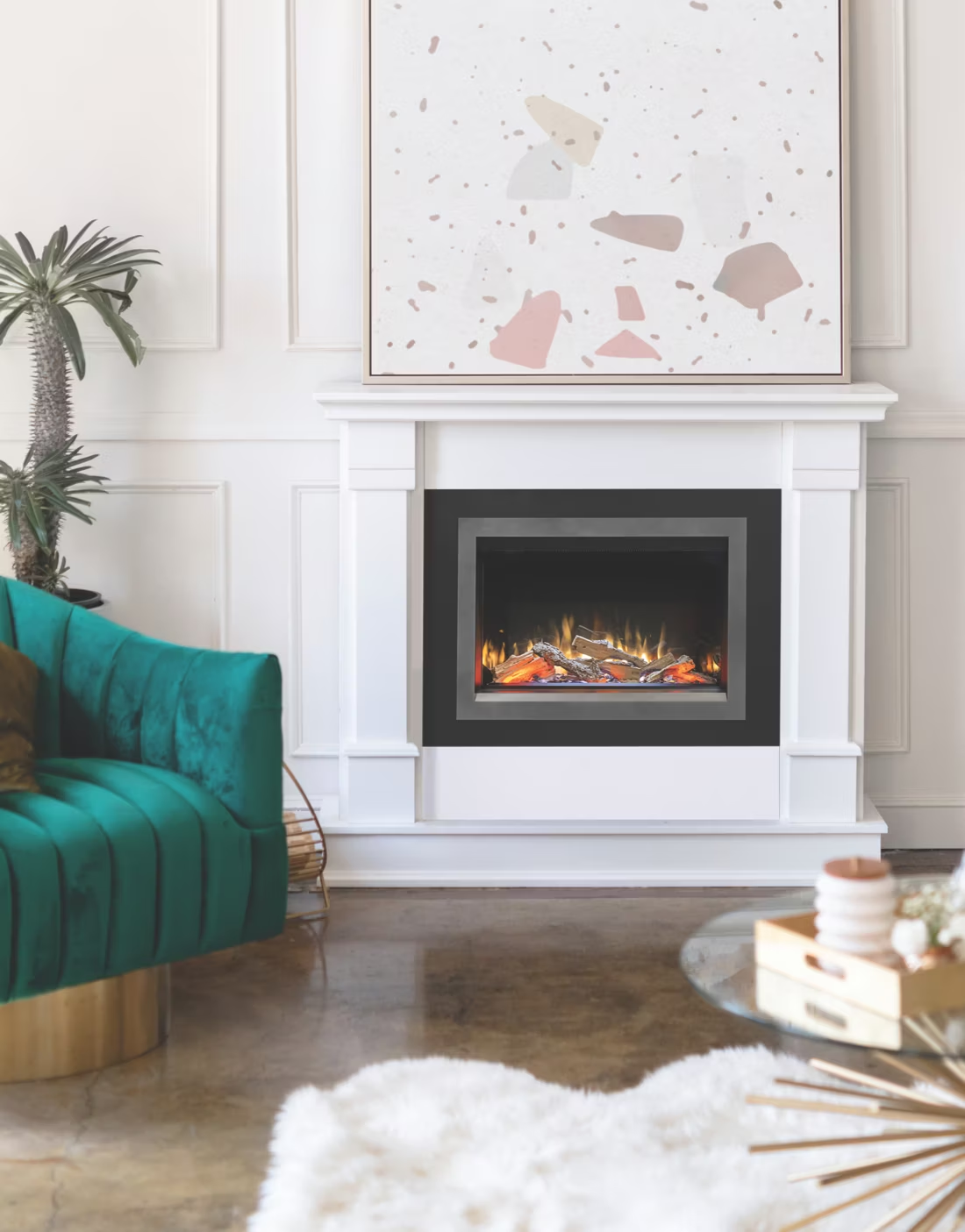
That's exactly where electric fireplaces earn their place. There's no masonry to build, no gas line to run down a mountain road, and no combustion byproducts to vent—which matters in a county where many rural properties still run on propane or electric heat because natural gas lines simply don't reach them. An electric insert can drop into an old stone fireplace in a Burnsville farmhouse in an afternoon. A freestanding unit can add supplemental warmth to a rental cabin's living room with nothing more than an outlet. And because there's no open flame, it's a safer fit for unattended vacation properties than wood or gas alternatives.
Three steps. No salesperson until you're ready.
Tell us about your project
Your zip code, your situation, and the fuel you're leaning toward—or let the answers point you to one.
See what's actually available
The brands dealers within 100 miles genuinely carry—real options, never a catalog mirage.
Get your dealer & Project Guide
A trusted local dealer, plus the free Project Guide & Parts List that names every component of the job.
Frequently Asked Questions
How much does an electric fireplace installation cost in Yancey County?
A plug-in freestanding electric fireplace or stove runs $300 to $800 for the unit itself, with no real installation cost beyond finding an outlet—a fit for cabins, additions, or rental properties that need heat fast. A built-in electric fireplace or insert designed to look flush with the wall or drop into an existing masonry opening typically runs $1,500 to $4,000 installed, depending on the unit size and whether a licensed electrician needs to run a new dedicated circuit. Older mountain homes around Burnsville and the surrounding hollows sometimes have panels that need an upgrade before a higher-draw built-in unit can be added—your local dealer can flag that during a home visit before you buy anything.
Do electric fireplaces need a chimney or outside venting?
No—and that's the main reason they're popular in a county like Yancey, where so many properties are cabins and second homes without existing masonry fireplaces. An electric unit produces heat with a resistance coil or infrared element and simulates flame with LED or mirror-based effects, so there's nothing to vent and no combustion byproducts to worry about. That makes it possible to add real-looking fire to a rental unit near the Parkway, a basement family room, or a new addition without touching the roofline or running any gas.
Can an electric fireplace actually heat a room, or is it just for looks?
Most electric fireplaces put out 4,000 to 9,000 BTU, which is enough to noticeably warm a single room—a den, a bedroom, a cabin's main living area—but it's not going to replace a home's primary heating system across Yancey's roughly 4,576 heating degree day winter. Think of it as zone heat: many mountain homes here already run on heat pumps or propane furnaces, and an electric fireplace supplements that system in the room people actually spend their evenings in, while cutting the load on the central system. For a true primary heat source in a drafty older farmhouse, wood or gas is usually the better call—your local dealer can walk through which rooms make sense for electric heat.
Are electric fireplaces a good fit for cabins and vacation rentals?
Yes, and it's one of the most common uses in Yancey County given how much of the housing stock near Mount Mitchell and the Blue Ridge Parkway is second homes and short-term rentals. Electric units don't require anyone to tend a fire, don't produce carbon monoxide, and most have automatic shutoff timers and cool-touch glass—all of which matter for a property that sits unoccupied for stretches or gets used by guests unfamiliar with a wood stove or gas insert. Many owners install one as the visual centerpiece of a living room while relying on a heat pump or baseboard system for the bulk of the heating load.
Do I need a permit to install an electric fireplace in Yancey County?
A plug-in freestanding unit that runs off an existing outlet generally doesn't require a permit—it's treated like any other appliance. A built-in electric fireplace that requires a new dedicated circuit, however, involves electrical work that should go through a licensed electrician and typically requires an electrical permit through the county building department. Most hearth retailers who sell built-in electric units either employ a licensed electrician or coordinate directly with one, so the permitting gets handled as part of the install rather than left to the homeowner.
Electric vs. wood—which makes more sense for a Yancey County home?
Wood is still the backbone of heating in a lot of the county's older homes, and it has one advantage electric can't match: it keeps working when the power doesn't. Ice storms and downed lines are a real winter risk on Yancey's steep back roads, and a wood stove burning local oak, hickory, or maple keeps a home warm through an outage that would leave an electric fireplace dark. Cutting permits through the Nantahala-Pisgah National Forests run about $20 per cord during the May-to-October season, which keeps fuel costs low for households willing to cut their own. Electric wins on convenience, cleanliness, and ease of installation in homes without a chimney—especially rentals and second homes where nobody's around to feed a fire. Many owners here end up with both: wood for backup heat and daily use, electric for a low-maintenance accent in a secondary room.
Can an electric insert go into my existing stone fireplace?
Yes—this is one of the simplest hearth upgrades available and a common project in Yancey County's older stone-and-masonry farmhouses. An electric insert slides into the existing firebox opening, plugs into a nearby outlet or a newly run circuit, and instantly turns a cold, unused fireplace into a working heat source with flame effects. There's no chimney liner needed, no venting, and none of the creosote or draft issues that come with an old masonry flue. It's a favorite option for owners who love the look of their original fireplace but don't want to deal with wood, ash, or an underused chimney.
What does it cost to run an electric fireplace day to day?
Running costs depend on the unit's wattage and local electric rates, but most electric fireplaces on a standard 1,500-watt heat setting cost somewhere between 15 and 25 cents an hour to run—a fraction of propane or firewood on a per-BTU basis, though it's pulling from the grid rather than a stored fuel source. Many rural properties in Yancey County are served by electric cooperatives rather than an investor-owned utility, and rate structures vary by provider, so it's worth checking your own bill before assuming a specific number. Running the flame effect alone, with the heater off, uses very little power—a detail that matters for owners who want the ambiance in warmer months without the heat.
Electric vs. pellet stove—which is the better fit?
Both rely on electricity to operate, so neither is a true backup during a power outage—a pellet stove needs its auger and blower running just as much as an electric fireplace needs its circuit. Where they differ is heat output and fuel handling: a pellet stove burning bagged fuel from regional suppliers like Lignetics, Hamer Pellet Fuel, or Greenway Renewable Energy can genuinely heat a whole room or small home, but it means storing bags and loading a hopper. An electric fireplace skips the fuel handling entirely but tops out at supplemental heat for a single room. For a primary heat source in a Yancey County home, pellet is the stronger option; for ambiance and secondary warmth with zero maintenance, electric is hard to beat.
Can I put a TV above my fireplace?
Yes—with an asterisk. Fireplaces are hot and TVs don't like heat. Either put a mantel between them to deflect rising warmth, or choose a fireplace with heat-management technology that creates a cool zone on the wall above—the wall stays around 125 degrees, barely warm, while the room still gets full heat. If you like clean lines and don't want a mantel, heat management is the answer.
Does an electric fireplace need a vent or chimney?
No—that's its superpower. An electric fireplace needs a wall and an outlet, period. No vent pipe, no gas line, no clearances to design around, which is why it works in bedrooms, offices, apartments, and walls where venting a gas or wood unit would be impractical or impossible. Installation is typically the simplest and least expensive of any fireplace type.
Does a fireplace add value to my home?
On average, a fireplace adds back to the home about the same amount you spent installing it. Add the monthly savings from heating the rooms you actually use instead of the whole house—often hundreds of dollars a year—and the value case is strong before you even count what a fire does for how your family uses the room.
Can I install a fireplace myself?
If you're putting a fire in your house on purpose, it's best to work with an expert. Unless you're genuinely experienced in framing, gas line, vent pipe, and the national code on clearances to combustibles, have a professional do it—and ideally the same company that sells you the fireplace, so warranty, service, and liability all live under one roof.
Stove and Fireplace Dealers in Yancey County
Find your electric fireplace in Yancey County.
Tell us a bit about your home—cabin, rental, or full-time residence—and we'll put together a free Project Guide & Parts List for your electric fireplace project, plus match you with a trusted local dealer who can install it right.
Find Your Fireplace →