
Instant heat and glow for Chautauqua County's long lake-effect winters.
No chimney, no venting, no permit hassle—just plug in or wire in and go. Find the right electric fireplace or insert for your Jamestown, Dunkirk, or Chautauqua Lake home, and connect with a trusted local dealer.
Every Project Starts From One of These Five Situations
Supplemental warmth without the chimney work.
Chautauqua County sits at the far western edge of New York, wedged between Lake Erie and the Pennsylvania line, and it earns its reputation for tough winters honestly. This is climate zone 5A with a long, demanding heating season and average winter lows around 16°F—numbers that put it in the same conversation as Buffalo, just up the shoreline, when it comes to lake-effect snow bands rolling off Erie into Dunkirk, Fredonia, and Westfield. Across the county's 70,000-plus residents, from the city streets of Jamestown to the camps ringing Chautauqua Lake, most homes lean on propane, oil, wood, or a heat pump for primary heat—and increasingly turn to electric fireplaces to fill in the gaps.
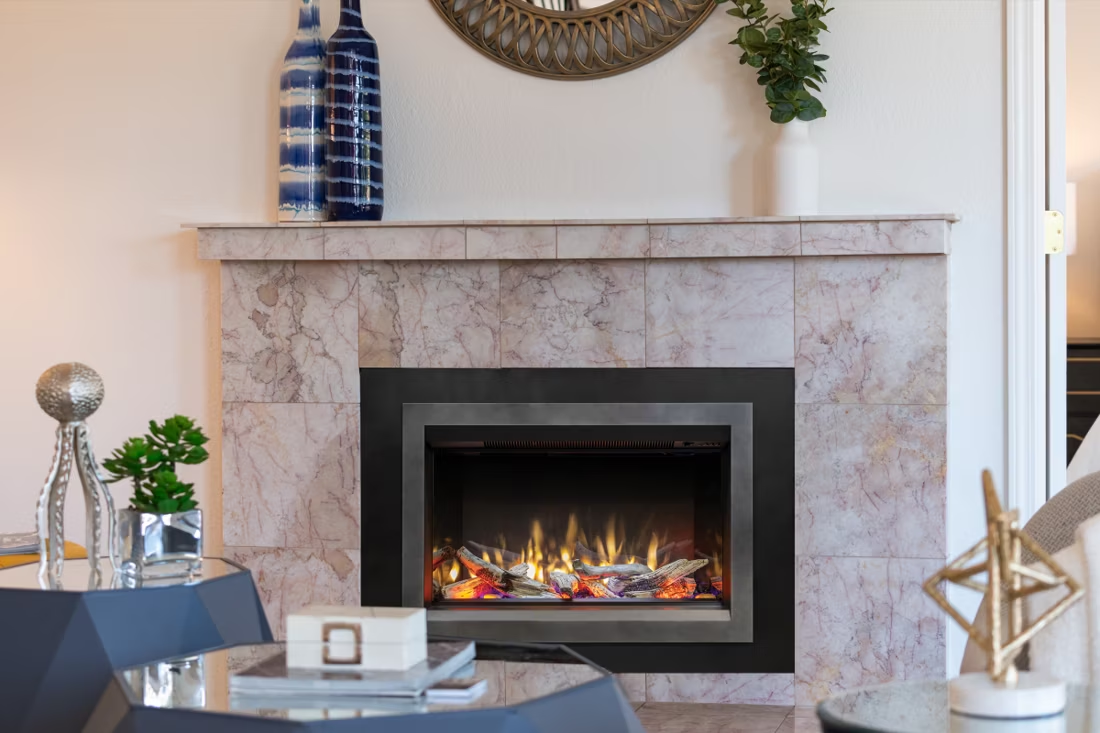
An electric fireplace isn't going to out-muscle a January cold snap off the lake the way a wood stove or furnace will, and it's honest to say so. What it does well is zone heat and ambiance without any of the infrastructure: no chimney, no gas line, no burn permit, and in most cases no more than a standard outlet or a single dedicated circuit run by a licensed electrician. That makes it a strong fit for older farmhouses and lake cottages around Chautauqua Lake and Findley Lake that never had a working fireplace to begin with, condos and rentals in Jamestown where venting isn't an option, and camps that get closed up for the season and reopened in a hurry each spring. NYSEG serves electric accounts throughout most of the county, and running costs are worth weighing against the wood heat many rural Chautauqua County homes already rely on.
Three steps. No salesperson until you're ready.
Tell us about your project
Your zip code, your situation, and the fuel you're leaning toward—or let the answers point you to one.
See what's actually available
The brands dealers within 100 miles genuinely carry—real options, never a catalog mirage.
Get your dealer & Project Guide
A trusted local dealer, plus the free Project Guide & Parts List that names every component of the job.
Frequently Asked Questions
How much does an electric fireplace installation cost in Chautauqua County?
Cost depends almost entirely on whether the unit is plug-in or hardwired. A freestanding electric stove or a simple insert that plugs into an existing outlet is the cheapest and fastest option—no electrician, no permit, just set it and go. A built-in wall unit or a larger insert that needs a dedicated 120V or 240V circuit run costs more once you add electrician labor, and pricing climbs further for custom mantels or surrounds in a remodel. Local dealers serving Jamestown, Dunkirk, and the Chautauqua Lake area will walk through unit price versus install labor separately, since the two are often quoted apart for electric units in a way they aren't for wood or gas.
Do I need a permit to install an electric fireplace in Chautauqua County?
In most cases, no. A plug-in electric fireplace or insert doesn't trigger a building or fire permit anywhere in Chautauqua County—there's no venting, no combustion, and no chimney to inspect. If you're adding a new dedicated electrical circuit for a larger built-in unit, that work should go through a licensed electrician, and depending on your town or village (Jamestown, Dunkirk, Fredonia, and the smaller lakeside townships each have their own codes office), an electrical permit may be pulled for the wiring itself. It's a fraction of the paperwork involved in a wood or gas install.
Will an electric fireplace heat my whole home through a Chautauqua County winter?
Not reliably, and any honest local dealer will tell you the same. With average winter lows around 16°F and a long, demanding heating season that stretches deep into the calendar, Chautauqua County winters ask more of a heating system than a single electric unit is built to deliver. Electric fireplaces are zone heaters—they'll comfortably warm the room they're in, but they're not sized or designed to replace a propane furnace, oil boiler, heat pump, or wood stove as your primary heat source. Where they shine is taking the chill off a sunroom, den, or finished basement, or providing backup ambiance in a room that doesn't get much attention from the central system.
What's the difference between an electric fireplace, insert, and stove?
A built-in electric fireplace is designed to be framed into a wall, much like a gas fireplace would be, and is common in new construction and remodels across newer Jamestown-area subdivisions. An electric insert is sized to slide into an existing masonry fireplace opening—a popular option for older farmhouses and homes around Chautauqua Lake and Westfield that have a drafty, unused wood fireplace they'd rather close off than maintain. A freestanding electric stove sits on the floor and looks like a traditional wood stove, which works well in camps and cottages without any existing fireplace at all. Unlike wood or gas versions of each, none of the three need a chimney or vent of any kind.
Can I install an electric fireplace without a chimney or existing fireplace?
Yes—this is the main advantage electric has over every other fuel type in Chautauqua County. Because there's no combustion, there's nothing to vent, which means an electric insert, built-in unit, or freestanding stove can go into a condo in Jamestown, an apartment above a Dunkirk storefront, a mobile or manufactured home in the rural parts of the county, or a lake camp that was never built with a chimney. It's also the fastest route to adding a fireplace look to a room during a remodel without opening up walls for venting.
What electric fireplace brands do local dealers carry?
Hearth dealers serving Chautauqua County typically carry national electric fireplace brands like Dimplex, Napoleon, and Amantii, alongside a range of built-in and insert options at different price points. Unlike wood and pellet heat, where regional supply and freight matter, electric units ship easily and availability is less about the county and more about which lines a given dealer chooses to stock and service. A local dealer can also speak to which models handle Chautauqua County's damp lake-effect winters and older housing stock—think plaster walls in a Fredonia farmhouse versus a newer build near Jamestown—without issues.
How does electric fireplace running cost compare to wood heat in Chautauqua County?
Electric heat runs on NYSEG rates and is billed by the kilowatt-hour, so cost scales directly with how many hours you run the unit and at what heat setting. Wood, by contrast, is often close to free for county residents who cut their own—Allegheny National Forest cutting permits run about $20 per cord during the May-through-October season, and oak, maple, birch, and ash are all common species on county woodlots. For a home already burning wood as primary heat, an electric fireplace is a low-cost add for a second room rather than a fuel swap. For a home with no chimney at all, it's simply the cost of the electricity to run it—worth checking against your NYSEG usage before installing a larger built-in unit.
Are electric fireplaces a good fit for camps and cottages around Chautauqua Lake?
Very often, yes. Seasonal camps and cottages around Chautauqua Lake, Cassadaga Lakes, and Findley Lake frequently lack a working chimney, and owners don't want to manage firewood storage or burn permits for a place that sits empty part of the year. An electric insert or freestanding stove gives a camp the look and immediate warmth of a fire the moment you flip a switch after opening up for the season, with none of the chimney inspection or creosote concerns that come with wood heat in a building that isn't used year-round.
Electric vs. wood or pellet—which is right for my home in Chautauqua County?
Wood and pellet heat make sense as primary heat sources in much of rural Chautauqua County, where oak, maple, birch, and ash are abundant and Allegheny National Forest cutting permits keep fuel costs low—and wood keeps working when a lake-effect storm knocks out power, which electric heat cannot. Electric fireplaces need a live circuit to run, so they're not a storm-outage backup, but they're unmatched for convenience, cleanliness, and installing somewhere a chimney was never an option—a condo, an apartment, a camp, or a room in a remodel. Many county homes end up with both: wood or propane for real heat during the coldest stretches, electric for the rooms and moments where instant ambiance matters more than BTUs.
Can I put a TV above my fireplace?
Yes—with an asterisk. Fireplaces are hot and TVs don't like heat. Either put a mantel between them to deflect rising warmth, or choose a fireplace with heat-management technology that creates a cool zone on the wall above—the wall stays around 125 degrees, barely warm, while the room still gets full heat. If you like clean lines and don't want a mantel, heat management is the answer.
Do electric fireplaces actually produce heat?
Yes—most put out around 4,800–5,000 BTUs from a standard outlet, which comfortably warms a bedroom, office, or den as a comfort-zone heater. What they won't do is carry a whole house the way wood, gas, or pellet can. Think of electric as ambiance-first with honest supplemental heat: flames on with no heat in July, flames plus warmth in January.
Does a fireplace add value to my home?
On average, a fireplace adds back to the home about the same amount you spent installing it. Add the monthly savings from heating the rooms you actually use instead of the whole house—often hundreds of dollars a year—and the value case is strong before you even count what a fire does for how your family uses the room.
Can I install a fireplace myself?
If you're putting a fire in your house on purpose, it's best to work with an expert. Unless you're genuinely experienced in framing, gas line, vent pipe, and the national code on clearances to combustibles, have a professional do it—and ideally the same company that sells you the fireplace, so warranty, service, and liability all live under one roof.
Stove and Fireplace Dealers in Chautauqua County
Find your electric fireplace for Chautauqua County.
Tell us about your home and how you plan to use the fireplace, and we'll match you with a trusted local dealer and send over a free Project Guide & Parts List—the exact parts and install plan for your Chautauqua County electric fireplace project.
Find Your Fireplace →