
Keep Your Family Warm and Safe—No Matter What
Pinyon, juniper, and ponderosa pine keep San Juan County homes warm through the cold months. Find the right stove or insert, and connect with a trusted local dealer.
Every Project Starts From One of These Five Situations
The high desert around West Hammond has burned wood for generations.
West Hammond sits at 5,412 feet in San Juan County, where winter lows average around 21°F and the area sees a real, sustained heating season each year. That's a real heating season - far milder than what a place like Bozeman, MT or Helena, MT sees, but still cold enough that most homes here need something more than a wall heater from late fall through early spring. Wood has filled that role in this part of New Mexico for a long time, and it still does for a lot of the town's roughly 2,400 residents.
Pinyon, juniper, and ponderosa pine are the three species most people burn locally, and if you want to cut your own, the San Juan National Forest issues personal-use permits for $5 to $20 per cord during the May-through-October season. Wildfire smoke is the main air quality concern in this region rather than winter inversion, which means well-seasoned, properly burned wood matters - a smoky chimney adds to a problem the area already deals with in late summer and fall. A well-chosen stove or insert, sized for your home and burning dry pinyon or juniper, keeps that smoke down while still delivering the kind of steady radiant heat a high-desert winter calls for.
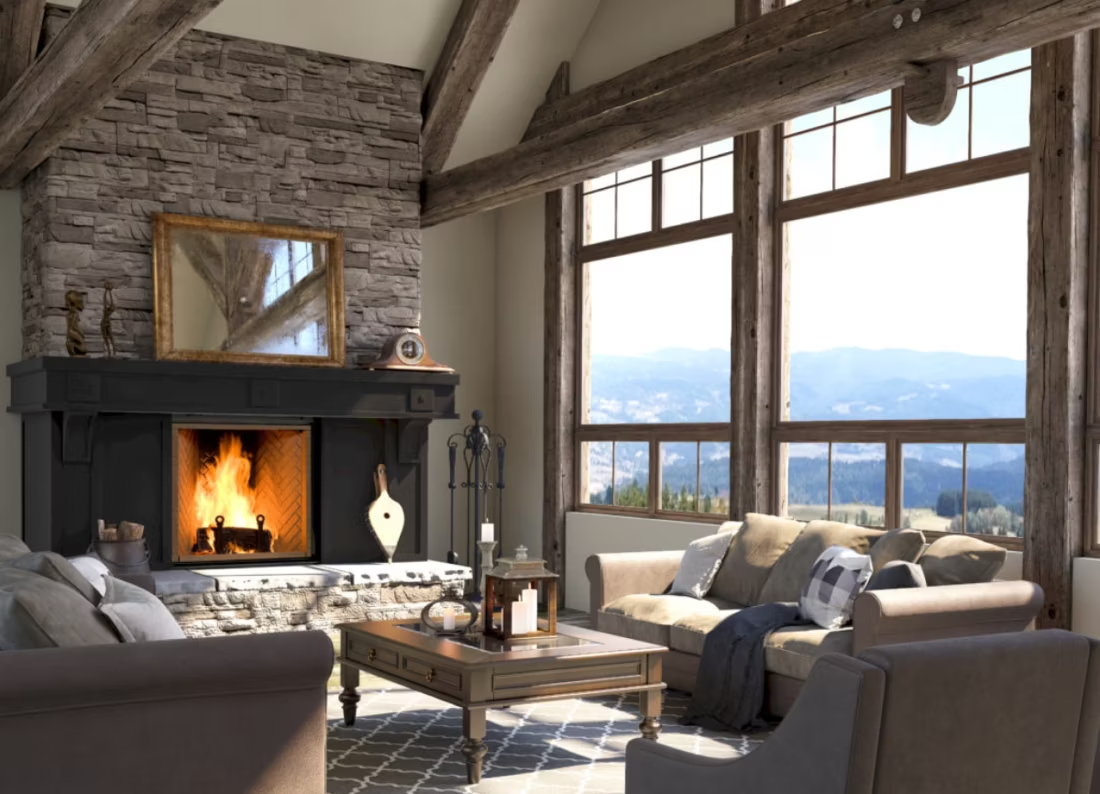
Firewood Cutting Permits Near West Hammond
Three steps. No salesperson until you're ready.
Tell us about your project
Your zip code, your situation, and the fuel you're leaning toward—or let the answers point you to one.
See what's actually available
The brands dealers within 100 miles genuinely carry—real options, never a catalog mirage.
Get your dealer & Project Guide
A trusted local dealer, plus the free Project Guide & Parts List that names every component of the job.
Frequently Asked Questions
How much does a wood stove installation cost in West Hammond?
For a rural community like West Hammond, a typical installed wood stove or insert project runs somewhere between $3,000 and $7,500, depending on whether you're working with an existing masonry chimney or starting from scratch. Homes without an existing flue - which describes a fair number of the older adobe and manufactured homes around San Juan County - land toward the higher end once Class A chimney pipe and a proper hearth pad are added. A local dealer can give you a firm number after seeing the space in person.
What size wood stove do I need for a home in West Hammond?
At 5,412 feet with winter lows averaging around 21°F, most homes here do fine with a small-to-mid-size stove rated for roughly 1,000 to 1,800 square feet, especially if wood is supplemental to propane or electric heat. Older homes with less insulation, or anyone planning to run wood as their primary heat source, should size up. Altitude also thins combustion air and affects draft, which is one more reason to have a dealer size the unit on-site rather than going off a generic chart.
Where can I find a certified wood stove installer near West Hammond?
West Hammond is small enough that NFI (National Fireplace Institute) or CSIA-certified installers are more likely based in larger San Juan County towns like Farmington or Aztec, with some crews also covering the area out of the Durango, CO market. The dealers matched through this site are trusted specifically for being able to actually get equipment and a crew out to West Hammond - not just carrying a certification with no local reach.
What's the difference between a wood stove and a wood insert?
A wood stove is a freestanding unit on a hearth pad, vented through a chimney, and can go almost anywhere clearances allow. A wood insert slides into an existing masonry fireplace and uses that chimney as the vent path, turning a drafty open hearth into a real heat source. For West Hammond homes that already have a masonry fireplace built in, an insert is usually the more efficient upgrade. Homes without an existing fireplace, or newer construction, are typically better matched to a freestanding stove.
Do I need a permit to install a wood stove in West Hammond?
Yes - a new wood-burning appliance installation needs a building permit through the San Juan County building department, and the unit itself needs to meet current EPA emissions standards. Most local dealers handle that paperwork as part of the install. Cutting your own firewood is a separate matter: the San Juan National Forest issues personal-use permits, typically $5 to $20 per cord, during the May-through-October season.
What's the best wood stove for West Hammond's climate?
With winter lows generally sitting in the upper teens to low 20s rather than sustained sub-zero cold, West Hammond homes usually don't need the largest catalytic units built for places like Helena, MT. A mid-size non-catalytic stove burning ponderosa pine or pinyon handles the season well and is simpler to run at altitude. If wood will carry your heat load through the whole winter, a catalytic model is worth a look - dense pinyon and juniper burn hot and can stretch an overnight load further, which matters if you're hauling or buying every cord.
How often should my chimney be inspected?
Once a year, per CSIA guidance, ideally before burning season starts in the fall. Well-seasoned pinyon and juniper leave less creosote buildup than softer, wetter wood, but pinyon's higher resin content means an annual inspection still matters, especially for households running the stove daily through the coldest months.
Where can I get firewood in West Hammond?
Pinyon, juniper, and ponderosa pine are the woods most people burn around here - pinyon in particular is prized locally for burning hot and long, though it needs a full season or more stacked and covered to dry out properly before it's ready. Local sellers typically price by the cord, and if you'd rather cut your own, San Juan National Forest permits run $5 to $20 per cord during the May-to-October season. Given the region's wildfire smoke concerns, burning fully seasoned wood isn't just about heat output - green or wet wood smokes more and adds to air quality that's already strained during fire season.
Wood stove vs. pellet stove - which is right for my home?
Wood stoves keep working without electricity, which is worth weighing here - Navajo Tribal Utility Authority service across parts of San Juan County can mean longer outage restoration during rough weather, and a wood stove is heat you can count on regardless. Pellet stoves from regional brands like Forest Energy or Lignetics burn cleaner and are easier to load and walk away from, but need power for the auger and blower to run. If backup heat during outages matters and you have access to pinyon or juniper, wood is usually the better fit. If convenience and reliable electric service matter more to your household, pellet is worth a look.
Why is my open fireplace making my house colder?
Open fireplaces suck—literally. As the fire burns, it consumes air your furnace already paid to heat and pulls it out through the chimney, so the house is actually colder after the fire goes out than before you lit it. An insert fixes this: it seals the chimney, puts fixed glass across the front, and turns that hole in your house into a real heat source.
Why won't my new wood stove get going like my old one?
New wood stoves are 70%+ efficient, so far less heat goes up the flue—which also means less draft to get a fire established. The rule: build a genuinely hot fire for about 45 minutes before you choke it down. Skip that and you get smoke in the room, creosote in the chimney, and a fire that never takes off. Most performance complaints trace straight back to this.
Can I install a fireplace myself?
If you're putting a fire in your house on purpose, it's best to work with an expert. Unless you're genuinely experienced in framing, gas line, vent pipe, and the national code on clearances to combustibles, have a professional do it—and ideally the same company that sells you the fireplace, so warranty, service, and liability all live under one roof.
What is an in-home preview and do I need one?
It's a visit where a hearth professional measures your space, confirms the model you picked actually works in your home, and walks the specs—framing, gas line, venting, finish work—before anything is ordered. Some details you just can't know until you see the house. Never make a down payment without one; it's the single most-skipped step that burns buyers.
Nearby Dealers
Hearth shops serving West Hammond and the surrounding area. Every listing shows whether it is a WhyFire partner, a dealer we have verified as authorized for the brands we recommend, or a local business carrying hearth products. No manufacturer pays for placement. How we verify dealers →
Bob's Fireplace
San Juan Hearth
Slavens True Value Hardware
Choice Building Supply
Find your wood fireplace in West Hammond.
Tell us about your home and we'll match you with the right wood stove or insert - and a trusted local dealer who can install it right.
Find Your Fireplace →