
Warmth for the Nambe Valley, without smoke or a chimney.
Instant, clean zone heat for casitas, additions, and pueblo-style homes around Nambe—find the right unit and connect with a trusted local dealer.
Every Project Starts From One of These Five Situations
A clean backup for smoky winter days in the Nambe Valley.
Nambe sits at 6,120 feet in a valley northeast of Santa Fe, tucked against the Santa Fe National Forest, with a population just over 2,000. Winter lows average 16°F and the area sees a real heating season lasting from around October through April—though milder than higher-elevation Rocky Mountain towns like Bozeman, MT. The valley setting means winter temperature inversions are common, trapping wood smoke close to the ground, and wildfire smoke can linger into the shoulder seasons as well.
Jemez Mountains Electric Cooperative serves most of Nambe, with residential rates running about $0.1536 per kWh—reasonable for the zone heating most electric fireplaces are actually used for. An electric fireplace produces no smoke and no emissions, which matters on inversion days when burning is discouraged, and it requires no chimney, no venting, and almost no ongoing maintenance. The tradeoff worth knowing: it depends entirely on grid power, and rural co-op lines in the mountains can go down during heavy snow. Many Nambe households pair an electric unit for everyday convenience with a wood stove for backup heat, using low-cost cutting permits on the surrounding national forest land.
Three steps. No salesperson until you're ready.
Tell us about your project
Your zip code, your situation, and the fuel you're leaning toward—or let the answers point you to one.
See what's actually available
The brands dealers within 100 miles genuinely carry—real options, never a catalog mirage.
Get your dealer & Project Guide
A trusted local dealer, plus the free Project Guide & Parts List that names every component of the job.
Frequently Asked Questions
How much does an electric fireplace installation cost in Nambe?
A plug-in electric insert or freestanding unit that uses a standard household outlet typically runs $300 to $800 installed, since there's little more than placement and trim work involved. A built-in wall unit or a conversion of an existing kiva or masonry fireplace opening usually costs $1,200 to $3,500, mainly because it requires a dedicated 120V or 240V circuit run by a licensed electrician—a real factor in older Nambe adobe homes where wiring may need updating. A local dealer will size the unit and scope the electrical work during an in-home visit.
How much will an electric fireplace add to my power bill?
Most electric fireplaces draw 1,500 watts on the heat setting. At Jemez Mountains Electric Cooperative's residential rate of about $0.1536 per kWh, running one for four hours a night costs roughly 92 cents, or about $27 a month if used nightly through a cold stretch. That makes electric heat a reasonable option for zone heating a single room or casita, but not a low-cost way to heat an entire home through a full Nambe winter—for whole-house heating, most local homeowners still lean on a wood stove or a heat pump.
Do I need a permit to install an electric fireplace in Nambe?
A simple plug-in unit generally doesn't require a permit since no new wiring or structural work is involved. If your installation needs a new dedicated circuit, a licensed electrician will typically pull an electrical permit through Santa Fe County's Building and Development Services division, which covers unincorporated areas including Nambe. Built-in units set into a wall or an existing fireplace opening may also need a straightforward building permit if any framing changes are involved. Most local dealers coordinate this as part of the installation.
Will my electric fireplace still work if the power goes out?
No—electric fireplaces stop working the moment the power does, and that's worth planning around in Nambe. Jemez Mountains Electric Cooperative serves a spread-out rural service area, and heavy mountain snow or ice can knock out lines for hours or longer during winter storms. Because of this, most Nambe homeowners who install an electric fireplace for everyday convenience and ambiance also keep a wood stove or insert as backup heat—firewood permits through the Santa Fe National Forest run just $5 to $20 per cord, which makes that backup affordable.
What size electric fireplace do I need?
Electric fireplaces are rated for a room, not a whole house—most units are designed to comfortably heat 400 to 1,000 square feet, which fits well with the casitas, additions, and single main rooms common in Nambe's pueblo-style and adobe homes. For a great room or open floor plan, you may want a higher-wattage unit or two smaller ones placed for even coverage. Because electric units don't need venting, sizing is mostly about heat output and room volume rather than clearances—a local dealer can match wattage to your square footage in a quick consultation.
Is electric heat a good fit for Nambe's climate, or is it mostly for looks?
With winter lows averaging 16°F and a heating season that stretches from around October through April, Nambe has a real cold season, so electric fireplaces here are used more for supplemental zone heat and ambiance than as a home's primary heat source—that role usually falls to a wood stove, propane furnace, or heat pump. Where electric shines locally is on the days when winter inversions settle wood smoke into the valley or wildfire smoke lingers in the air: an electric unit gives you flame and heat in a room without adding to outdoor air quality concerns.
Electric vs. wood—which makes more sense for my Nambe home?
Wood heat is deeply practical here—pinyon, juniper, and ponderosa pine are all locally available, Forest Service cutting permits through the Santa Fe, Carson, or Cibola National Forests run just $5 to $20 per cord, and a wood stove keeps working during a co-op power outage. Electric heat is cleaner, requires no ash or chimney maintenance, and doesn't contribute to smoke during winter inversion days. Many households in Nambe use both: wood as primary or backup heat, electric for a quick-on secondary room like a bedroom, studio, or converted kiva fireplace.
What maintenance does an electric fireplace need?
Very little compared to wood or gas units—there's no chimney to sweep, no venting to inspect, and no annual gas line check. Periodically dust or vacuum the heater vents and clean the glass front if the unit has one, and check that the flame-effect bulbs or LEDs are functioning. Most manufacturers rate the heating elements for years of regular seasonal use. This low-maintenance profile is one reason electric units are popular for secondary rooms and casitas in Nambe where homeowners want reliable heat without upkeep.
Where can I find electric fireplaces for sale near Nambe?
Nambe itself is a small community without big-box hearth retailers, so most homeowners work with dealers based in Santa Fe, about 15 miles southwest. A trusted local dealer can walk your home, confirm whether your existing wiring supports a built-in unit or whether a new circuit is needed, and recommend models actually suited to adobe and pueblo-style construction. That local knowledge matters more than a catalog—it's the difference between a unit that fits your wall and wiring and one that requires costly rework.
Do electric fireplaces actually produce heat?
Yes—most put out around 4,800–5,000 BTUs from a standard outlet, which comfortably warms a bedroom, office, or den as a comfort-zone heater. What they won't do is carry a whole house the way wood, gas, or pellet can. Think of electric as ambiance-first with honest supplemental heat: flames on with no heat in July, flames plus warmth in January.
Can I put a TV above my fireplace?
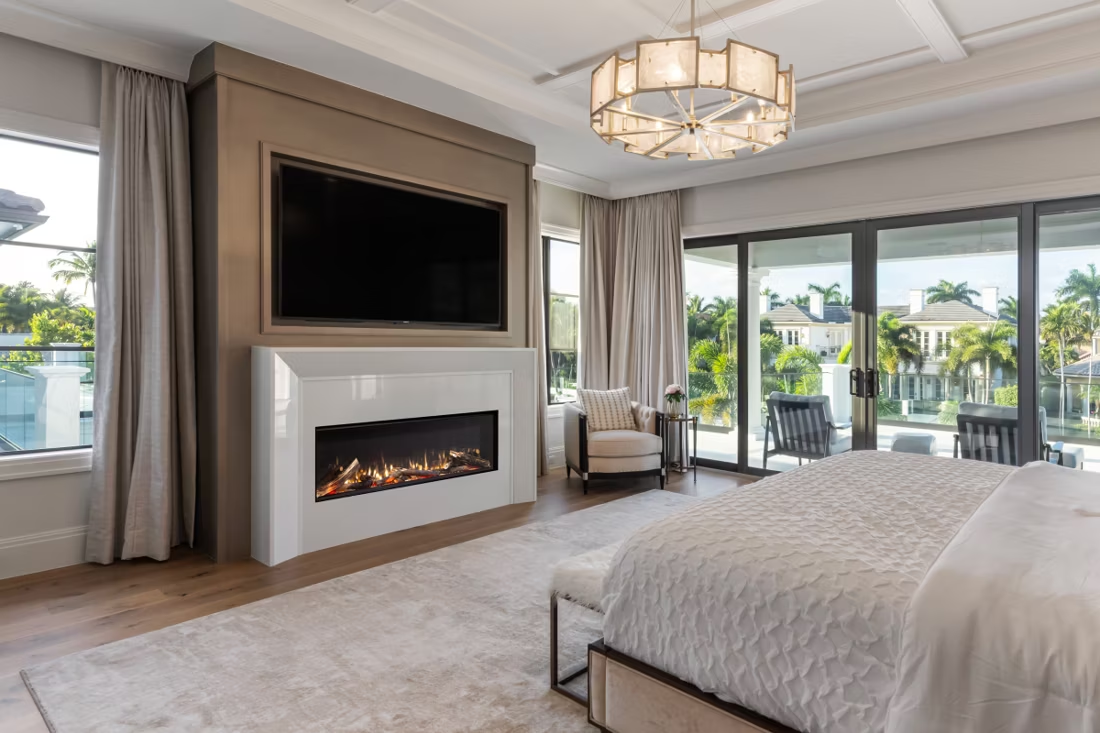
Yes—with an asterisk. Fireplaces are hot and TVs don't like heat. Either put a mantel between them to deflect rising warmth, or choose a fireplace with heat-management technology that creates a cool zone on the wall above—the wall stays around 125 degrees, barely warm, while the room still gets full heat. If you like clean lines and don't want a mantel, heat management is the answer.
How much should I budget for a fireplace?
For an average home—covering the fireplace, the vent pipe, and basic installation—a budget between $3,900 and $5,500 gives you a lot of options across wood, gas, and pellet. By the time you add finish work, gas line, and electrical, the average complete installation lands between $5,000 and $12,000 all-in. In a remodel or new build, a good rule is to put about 2.5% of the total project cost toward the fireplace.
Does a fireplace add value to my home?
On average, a fireplace adds back to the home about the same amount you spent installing it. Add the monthly savings from heating the rooms you actually use instead of the whole house—often hundreds of dollars a year—and the value case is strong before you even count what a fire does for how your family uses the room.
Nearby Dealers
Hearth shops serving Nambe and the surrounding area. Every listing shows whether it is a WhyFire partner, a dealer we have verified as authorized for the brands we recommend, or a local business carrying hearth products. No manufacturer pays for placement. How we verify dealers →
Tierra Woodstoves
High Desert Hearth Products
Rocky Mountain Chimney Sweep
Electric Service in Nambe
An electric fireplace's heater draws about 1,500 watts—pennies per hour at local rates.
Jemez Mountains Elec Coop, Inc
Find your electric fireplace in Nambe.
Tell us about your home and we'll put together a free Project Guide & Parts List for your electric fireplace project—the right unit, the exact parts including any wiring needs, and a match with a trusted local dealer near Nambe.
Find Your Fireplace →