
Instant Heat, Zero Smoke, No Chimney Required.
Clean, plug-in heat for Catron County's ranches, cabins, and manufactured homes—from Reserve to Quemado to Datil. Find the right unit and connect with a trusted local dealer.
Every Project Starts From One of These Five Situations
Clean heat for New Mexico's most remote county.
Catron County covers nearly 6,900 square miles of west-central New Mexico—bigger than the state of Connecticut—with a population of just 1,776 spread across Reserve, Quemado, Datil, Glenwood, and long stretches of Gila National Forest in between. Elevations run from around 5,700 feet in Reserve to over 7,400 feet in Datil, and the county sits in climate zone 5B, which means long, cold winters at altitude and homes that are often miles from the nearest lineman. Wildfire smoke is a real seasonal concern here given the surrounding Gila and Apache-Sitgreaves forests, and any heat source that doesn't add particulate to the air during a bad smoke summer or a winter inversion is worth a look.
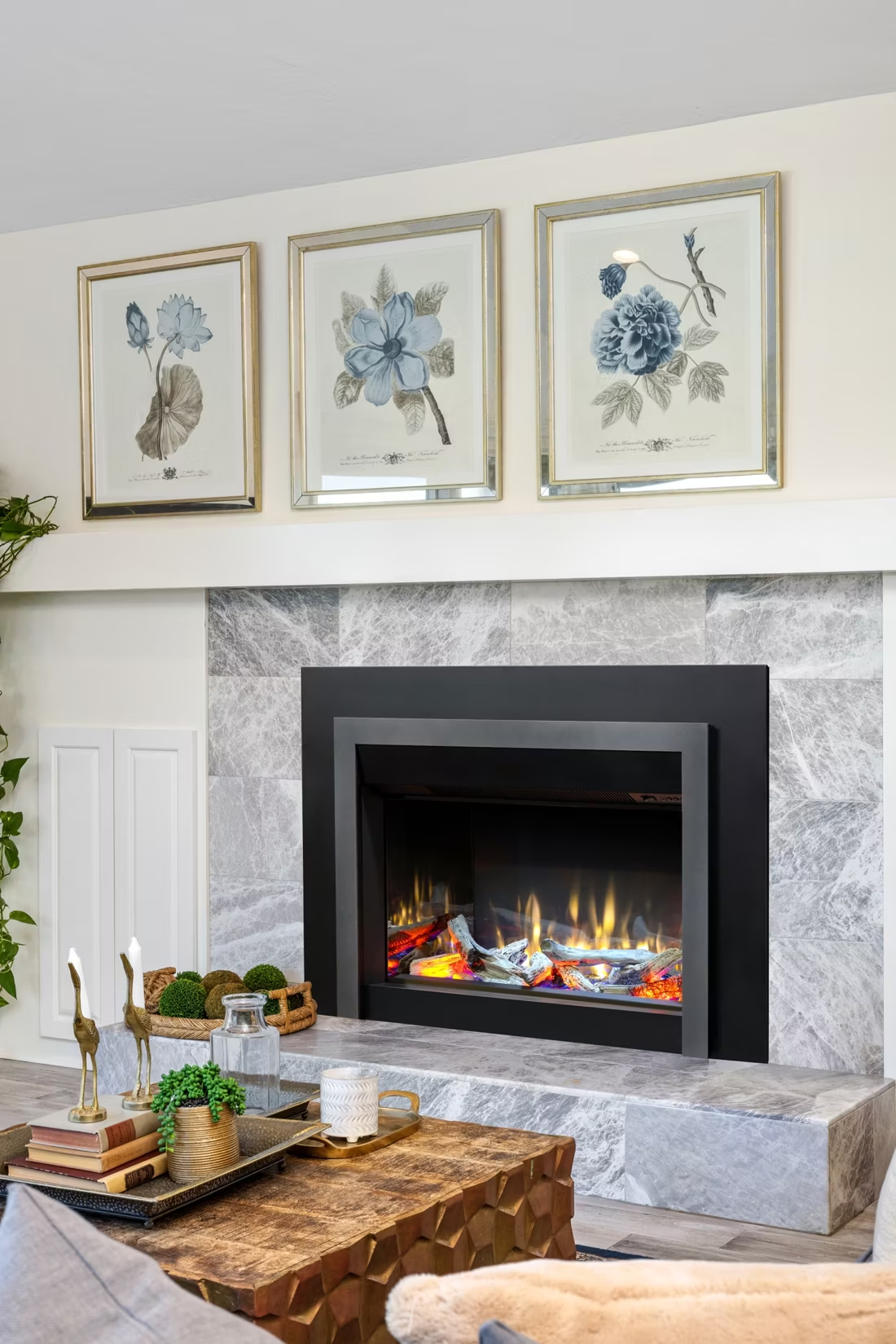
There's no natural gas infrastructure anywhere in Catron County, so most homes run on propane, self-cut wood—pinyon, juniper, and ponderosa pine are the local standards—or electric baseboard and heat pump systems tied to Continental Divide Electric Cooperative service. Electric fireplaces and inserts fill a specific niche in that mix: no chimney, no venting, no permit hassle for a simple plug-in unit, and zero smoke output for manufactured homes, cabins, or additions where running a flue isn't practical. It's not a replacement for the wood stove in the machine shed, but for a den, a guest cabin, or a room that just needs supplemental warmth without the mess, it's an easy fit.
Three steps. No salesperson until you're ready.
Tell us about your project
Your zip code, your situation, and the fuel you're leaning toward—or let the answers point you to one.
See what's actually available
The brands dealers within 100 miles genuinely carry—real options, never a catalog mirage.
Get your dealer & Project Guide
A trusted local dealer, plus the free Project Guide & Parts List that names every component of the job.
Frequently Asked Questions
How much does an electric fireplace installation cost in Catron County?
A plug-in electric fireplace or insert that uses a standard household outlet typically runs $300 to $1,200 installed, since there's no venting or gas line to run—most of the cost is the unit itself plus a straightforward mount or insert fit. Built-in wall units that need a new dedicated 20-amp circuit run higher, often $1,200 to $2,500, especially in older homes around Reserve or Quemado where the existing electrical panel may need an upgrade before adding a circuit. Because Catron County is sparsely populated, expect a modest travel charge from any installer coming from Socorro, Silver City, or Grants—there isn't a hearth retailer physically based in the county.
Will an electric fireplace keep my house warm if the power goes out?
No—and this matters more in Catron County than most places. Continental Divide Electric Cooperative serves an enormous, low-density service territory, and winter storms along Highway 12 and Highway 60 can knock out power for hours or, in bad years, days. An electric fireplace stops working the moment the grid does. If you're relying on heat during outages—which is a real possibility at 7,000 feet in Datil or out toward Aragon—you want a wood stove or a generator-backed system as your primary or backup source, with the electric unit reserved for everyday convenience and zone heating.
Can an electric fireplace be my primary heat source?
For most Catron County homes, no. Electric fireplaces and inserts are built for supplemental or zone heat—typically 4,000 to 5,000 BTU, enough to take the chill off a single room, not carry a whole house through a Datil or Reserve winter. Given the cold, long heating season in zone 5B at these elevations, most homeowners here pair an electric unit with a wood stove, propane furnace, or heat pump as the actual workhorse, and use the electric fireplace where they want instant, smoke-free ambiance—a den, a bedroom, a guest cabin.
Do I need a permit to install an electric fireplace in Catron County?
A simple plug-in unit generally doesn't require a permit anywhere in the county. If you're installing a built-in wall unit that requires a new dedicated circuit, that's electrical work and should be pulled through whatever permitting authority covers your part of the county—Catron County's building oversight is limited given how sparsely populated it is, so it's worth a call to confirm what's required for your specific address before work starts, particularly if you're inside Reserve or Quemado town limits versus unincorporated county land.
What's the best type of electric fireplace for a cabin or manufactured home?
Wall-mounted electric fireplaces or slim electric inserts are the best fit for the manufactured homes and cabins common throughout Catron County, since they don't require any structural chimney or venting modification. If your property runs partly or fully on solar or a generator—not unusual out toward Aragon, Apache Creek, or the more remote stretches near Glenwood—check the unit's wattage draw before buying. Most electric fireplaces pull 1,200 to 1,500 watts on the heater setting, which can strain a smaller off-grid solar setup; running the flame effect without the heater draws far less.
Is an electric fireplace a good choice during wildfire smoke season?
Yes—this is one of the clearest advantages for Catron County. When wildfire smoke from the Gila or Apache-Sitgreaves settles into the valleys around Reserve and Quemado, an electric fireplace adds zero particulate to indoor air, unlike a wood stove that still needs a working flue and clean air intake. For homeowners who already limit wood burning during bad smoke summers or winter inversions, an electric unit gives you fire ambiance and supplemental warmth without adding to the air quality problem.
What size electric fireplace do I need?
Most electric inserts and wall units are sized by room, not whole-home square footage—a 1,500-watt unit will comfortably supplement a room up to about 400 square feet, which covers most bedrooms, dens, and single-room cabins common in Catron County. For an open living area or a drafty older ranch house, you may want two smaller units rather than one large one, since electric heat doesn't distribute through a house the way a central system does. A local dealer can walk through your specific room dimensions and insulation before you buy.
Electric vs. wood—which makes more sense for my Catron County home?
Wood—burning pinyon, juniper, or ponderosa pine, all common locally—offers real heat output, works without electricity during Continental Divide Electric Cooperative outages, and fits the self-sufficient reality of ranch life in this county. Electric offers instant on-off convenience, zero maintenance, no wood handling, and no smoke output, which matters during wildfire season. Most Catron County households that use both keep a wood stove as the serious cold-weather workhorse and add an electric unit for a guest room, a den, or a space where running a chimney isn't worth the effort.
Electric vs. pellet stove—which is right for me?
Both require electricity to run—a pellet stove's auger and igniter won't function in an outage any more than an electric fireplace will, so neither is a true backup-heat option in a county where the grid can go down for extended stretches. Pellet stoves, using regional brands like Forest Energy or Lignetics, put out real heat (typically 40,000+ BTU) and can serve as a primary heat source for a well-insulated home. Electric fireplaces are lower output and best suited to zone heating or ambiance. If you want serious heat without a chimney and don't mind sourcing pellets in a county with no local hearth retailer, pellet is worth considering; if you want simple, maintenance-free supplemental warmth, electric is the easier path.
Can I put a TV above my fireplace?
Yes—with an asterisk. Fireplaces are hot and TVs don't like heat. Either put a mantel between them to deflect rising warmth, or choose a fireplace with heat-management technology that creates a cool zone on the wall above—the wall stays around 125 degrees, barely warm, while the room still gets full heat. If you like clean lines and don't want a mantel, heat management is the answer.
Do electric fireplaces actually produce heat?
Yes—most put out around 4,800–5,000 BTUs from a standard outlet, which comfortably warms a bedroom, office, or den as a comfort-zone heater. What they won't do is carry a whole house the way wood, gas, or pellet can. Think of electric as ambiance-first with honest supplemental heat: flames on with no heat in July, flames plus warmth in January.
Can I install a fireplace myself?
If you're putting a fire in your house on purpose, it's best to work with an expert. Unless you're genuinely experienced in framing, gas line, vent pipe, and the national code on clearances to combustibles, have a professional do it—and ideally the same company that sells you the fireplace, so warranty, service, and liability all live under one roof.
How much should I budget for a fireplace?
For an average home—covering the fireplace, the vent pipe, and basic installation—a budget between $3,900 and $5,500 gives you a lot of options across wood, gas, and pellet. By the time you add finish work, gas line, and electrical, the average complete installation lands between $5,000 and $12,000 all-in. In a remodel or new build, a good rule is to put about 2.5% of the total project cost toward the fireplace.
Find your electric fireplace in Catron County.
Tell us a bit about your home and we'll match you with the right electric fireplace or insert, and hand you a free Project Guide & Parts List with the exact parts and a recommended local dealer for your Catron County project.
Find Your Fireplace →