
Pellet Stoves Are Rare in Reno, But Some Homes Still Need One.
With a moderate winter heating season and natural gas service reaching most of the Truckee Meadows, pellet heat isn't the default here. For cabins outside the gas line and backup-heat households, it can still make sense—and we'll connect you with a dealer who'll tell you the truth about it.
Every Project Starts From One of These Five Situations
Mild Winters, Strict Air Rules, and a Market Built Around Gas.
Reno sits at 4,920 feet with an average winter low of 27°F and a winter heating season that's noticeably milder than mountain towns like Bozeman, MT or Helena, MT, which run far colder and lean hard on solid-fuel heat to get through the winter. That relatively moderate climate, combined with broad natural gas coverage and Sierra Pacific Power Co. electric service across the Reno-Sparks metro, means most homeowners here heat with gas or electric heat pump systems rather than pellets or cordwood. Washoe County's winter inversion events and wildfire-smoke season also push both residents and local air quality officials toward cleaner-burning or non-combustion heat sources, which is part of why solid-fuel stoves—wood and pellet alike—aren't a mainstream category in this market.
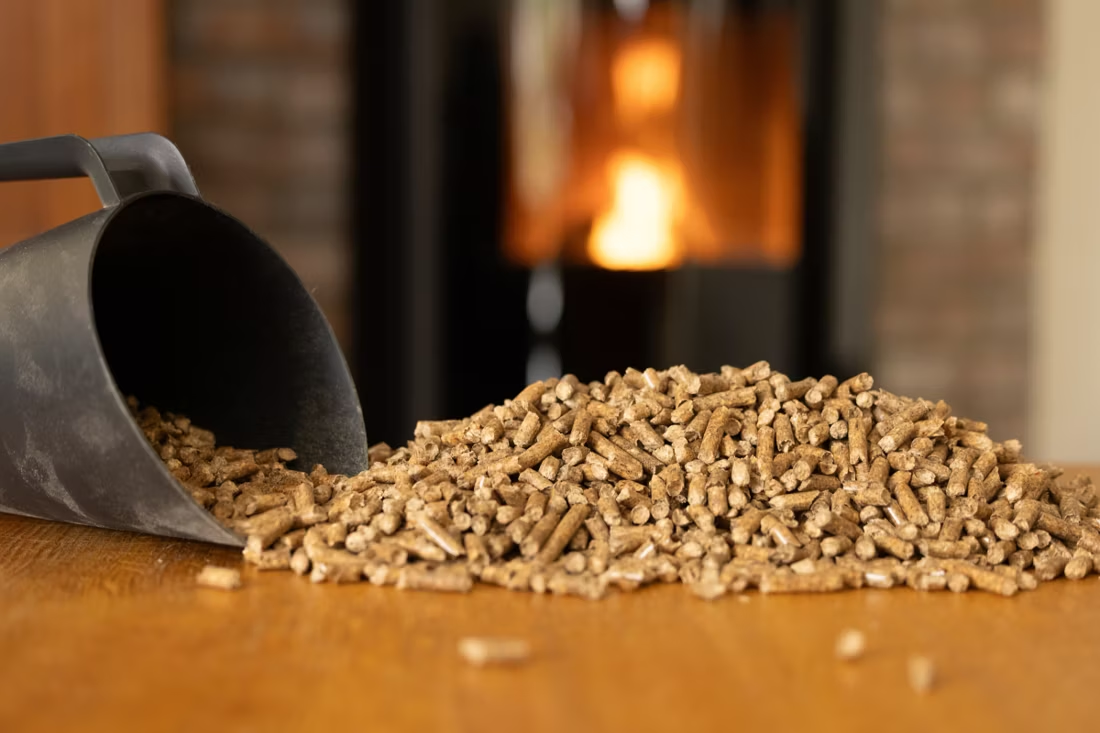
That said, pellet stoves haven't disappeared here. Outlying Washoe County areas—places like Cold Springs (89508) and Verdi (89439) that sit outside the natural gas footprint—sometimes turn to pellet inserts as a cleaner, easier-to-manage alternative to cutting pinyon, juniper, or sagebrush from BLM or Humboldt-Toiyabe National Forest land. Regional pellet brands including Bear Mountain, Lignetics, and Forest Energy are sold through hearth dealers in the area, so the supply chain exists even though the demand is modest. If you're one of the households where pellet genuinely fits—an outbuilding, a rural property, or supplemental heat for a home already on gas—we'll match you with a dealer who installs this correctly rather than talk you into a unit your house doesn't need.
Three steps. No salesperson until you're ready.
Tell us about your project
Your zip code, your situation, and the fuel you're leaning toward—or let the answers point you to one.
See what's actually available
The brands dealers within 100 miles genuinely carry—real options, never a catalog mirage.
Get your dealer & Project Guide
A trusted local dealer, plus the free Project Guide & Parts List that names every component of the job.
Frequently Asked Questions
How much does a pellet stove installation cost in Reno?
Because pellet inserts are a niche request in the Truckee Meadows compared to gas or electric, local dealers tend to quote based on the specific unit and venting path rather than off a standardized citywide range. As a general benchmark, freestanding pellet stove installations across the western U.S. typically run $3,500 to $7,000, with the low end covering a basic through-wall vent kit and the high end covering hopper upgrades, hearth pad work, or exterior venting runs for homes without an existing chimney. Get a firm number from a local dealer after they've seen your space—with so few pellet installs happening in Reno relative to gas, pricing isn't as predictable as it is for the mainstream fuels.
Is a pellet stove even a good fit for my Reno home?
For most homes inside Reno or Sparks city limits with natural gas already run to the house, a gas insert or gas fireplace is usually the more practical choice—better resale familiarity, no hopper to refill, and a deeper bench of local installers. Pellet makes more sense in specific situations: rural Washoe County properties outside the gas service area, cabins near Mount Rose or in the Verdi corridor, or households that want a solid-fuel backup without dealing with cordwood and the region's pinyon-juniper cutting permits. If you're not sure which category you fall into, that's exactly the kind of question a local dealer should answer before you buy anything.
Do I need a permit to install a pellet stove in Reno?
Yes—a pellet stove installation typically requires a building permit through the City of Reno Building Division if you're inside city limits, or the Washoe County Building & Safety Division for unincorporated areas like Cold Springs or Verdi. Most hearth dealers who handle pellet installs will pull the permit as part of the job. Because pellet appliances burn more cleanly than cordwood, they're generally treated more favorably than wood stoves in areas with winter inversion or wildfire-smoke air quality concerns—worth confirming directly with Washoe County if you're weighing pellet against a wood-burning option.
Why are both wood and pellet stoves considered a poor fit for Reno, but gas and electric aren't?
It comes down to infrastructure and air quality more than climate severity. Reno's winters, while cold, aren't extreme enough to require the kind of all-night solid-fuel heat that drives wood and pellet demand in places like Duluth, MN. At the same time, natural gas lines and Sierra Pacific Power Co. electric service reach most of the metro area, so gas fireplaces and electric units are the default. Layer on Washoe County's winter inversion events and wildfire-smoke season, and there's less local appetite for combustion appliances that add particulate matter to the air. Wood is affected more than pellet by this, since pellet stoves burn cleaner, but neither is a mainstream local category the way gas is.
Will my pellet stove work during a power outage?
Not without help. Pellet stoves rely on an electric auger to feed fuel and a blower to distribute heat, so a standard unit goes dark the moment Sierra Pacific Power Co. service drops—unlike a wood stove, which keeps burning with no power at all. Some pellet stove models offer a battery backup option or can run off a small generator or inverter setup, which is worth asking about if outages are a real concern for your property, particularly in outlying Washoe County areas where restoration can take longer after a storm. If reliable off-grid heat during outages is the priority, a wood stove or a battery-backed gas fireplace may serve you better than pellet.
Where can I buy pellets in the Reno area?
Regional brands including Bear Mountain, Lignetics, and Forest Energy are carried by hearth dealers and some hardware and feed stores serving the Reno-Sparks area, typically sold by the 40-pound bag or by the ton. Because pellet heat is a smaller category here than in wood-pellet-heavy states like Oregon or Washington, availability can be more seasonal—it's worth confirming stock with a dealer before winter rather than assuming year-round shelf presence. If you're buying a stove, ask your installer which pellet brands they've seen perform well in their models, since ash content and BTU output vary by brand.
Pellet vs. gas—which makes more sense in Reno?
For the large majority of Reno and Sparks homes with natural gas already available, gas wins on almost every practical measure: instant on-off operation, no fuel storage or hopper refilling, and a much larger pool of local installers and service techs. Pellet's advantages—a real flame, use of a renewable fuel, independence from the gas utility—matter most for homes outside the gas footprint or for owners who specifically want a solid-fuel option without cutting and hauling cordwood from Humboldt-Toiyabe or Plumas National Forest land. If your home already has a gas line, that's usually the deciding factor.
What does pellet stove venting and installation actually involve?
Pellet stoves vent through a small-diameter pipe—often just 3 or 4 inches—that can run horizontally through an exterior wall, which makes them simpler to install than a full masonry chimney system in many cases. The unit needs a dedicated outlet for the auger and blower motors, proper clearance to combustibles, and a hearth pad if required by the manufacturer. Because so few Reno dealers install pellet units regularly compared to gas, it's worth asking directly about their pellet-specific experience—venting mistakes on low-volume installs are the most common source of callbacks.
Who in Reno actually ends up choosing a pellet stove?
In practice, it's usually one of a few situations: a rural Washoe County property in a zip like 89508 or 89439 that sits outside the natural gas service area, a cabin or second home where cordwood cutting and hauling isn't practical, or a homeowner who wants a solid-fuel backup heat source but doesn't want to deal with a wood stove's chimney and creosote maintenance. It's a smaller slice of the Reno market than gas or electric, but for those specific situations it's a legitimate choice—just one worth discussing with a local dealer before assuming it's the right fit for your particular property.
What's the difference between an insert and a zero-clearance fireplace?
An insert is a fireplace that slides into a pre-existing wood-burning fireplace—if you don't have one, there's nothing to insert it into. A zero-clearance fireplace is built into a framed wall, which makes it the answer for remodels and new construction. Simple test: existing masonry fireplace means insert; blank or framed wall means zero-clearance.
Why is a fireplace insert so efficient?
An insert does two things: it seals the chimney completely, so you stop losing air you already paid to heat, and it radiates warmth into the room through the firebox and glass. Most add a heat-exchange fan that pulls cool room air underneath, wraps it around the hot firebox, and pushes it back out warm. Your home is more efficient before you've even lit the first fire.
Does a fireplace add value to my home?
On average, a fireplace adds back to the home about the same amount you spent installing it. Add the monthly savings from heating the rooms you actually use instead of the whole house—often hundreds of dollars a year—and the value case is strong before you even count what a fire does for how your family uses the room.
What is an in-home preview and do I need one?
It's a visit where a hearth professional measures your space, confirms the model you picked actually works in your home, and walks the specs—framing, gas line, venting, finish work—before anything is ordered. Some details you just can't know until you see the house. Never make a down payment without one; it's the single most-skipped step that burns buyers.
Nearby Dealers
Hearth shops serving Reno and the surrounding area. Every listing shows whether it is a WhyFire partner, a dealer we have verified as authorized for the brands we recommend, or a local business carrying hearth products. No manufacturer pays for placement. How we verify dealers →
Home Energy Experts
Fireplace Distributors Of Nv
Woodstove Dist Inc
Louie's Home Center- Dayton
Pellet Brands Stocked Around Reno
Manufacturers will point you to the nearest stocking dealer.
Find your pellet fireplace in Reno.
Tell us about your property and your reasons for considering pellet, and we'll give you a straight answer—plus a free Project Guide & Parts List with the exact parts, vent kit, and a trusted local dealer if pellet turns out to be the right call.
Find Your Fireplace →