
Add electric warmth to any room in Clinton County—no chimney required.
Zone heat for bedrooms, basements, additions, and rentals across Clinton County—from Plattsburg to Cameron to Lathrop. No chimney, no gas line, just a local dealer who can size the right unit for your room.
Every Project Starts From One of These Five Situations
Electric heat that fits homes without a chimney or gas line.
Clinton County sits in northwest Missouri, anchored by the county seat of Plattsburg and the larger community of Cameron along the I-35 corridor, with Lathrop, Trimble, and Turney rounding out a mostly agricultural landscape of roughly 16,683 residents. The climate here—Zone 5A, average winter lows near 15°F, and 5,673 heating degree days—is a genuine four-season cold, though nowhere near the sustained sub-zero stretches of Fargo or International Falls. Still, that's plenty of cold to make supplemental heat in the rooms you actually live in worth having.
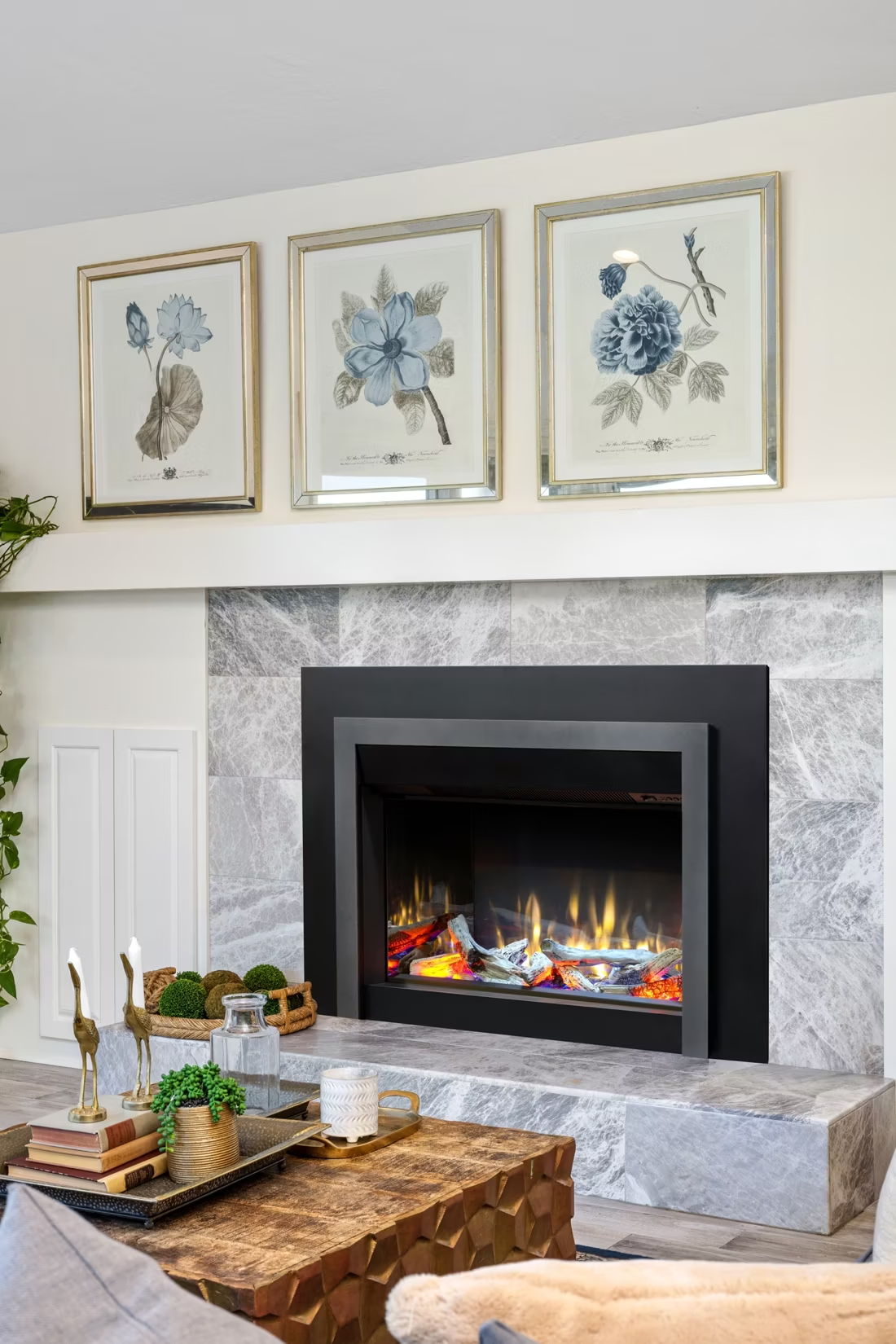
Wood heat runs deep in Clinton County—the oak, hickory, walnut, and maple that fill local timber stands have warmed farmhouses for generations, and pellet fuel from regional producers like Lignetics and Indeck Energy Services is easy to find nearby. Electric fireplaces solve a different problem: getting real, focused warmth into a bedroom, a finished basement, a rental unit in Plattsburg or Cameron, or an addition where running a gas line or building a masonry chimney isn't practical. No venting, no combustion byproducts, and in most cases no building permit at all—just an outlet, or a dedicated circuit for larger built-ins, and a wall or mantel to hang it on.
Three steps. No salesperson until you're ready.
Tell us about your project
Your zip code, your situation, and the fuel you're leaning toward—or let the answers point you to one.
See what's actually available
The brands dealers within 100 miles genuinely carry—real options, never a catalog mirage.
Get your dealer & Project Guide
A trusted local dealer, plus the free Project Guide & Parts List that names every component of the job.
Frequently Asked Questions
How much does it cost to install an electric fireplace in Clinton County?
Most electric fireplace installs in Clinton County run $300 to $1,500. A plug-in insert or mantel unit that drops into an existing fireplace opening sits at the low end—often just the cost of the unit plus an hour of labor. A built-in wall unit that requires framing, a dedicated 20-amp circuit, and finish trim work runs toward the higher end. Because there's no chimney, gas line, or venting involved, electric is consistently the least expensive fireplace project available to Clinton County homeowners, whether you're in Plattsburg, Cameron, or out in the county.
Do electric fireplaces actually heat a room, or are they just for looks?
Both—most units on the market put out 4,600 to 5,000 BTU (roughly 1,500 watts), enough to comfortably heat a 400- to 1,000-square-foot room depending on insulation and ceiling height. That's real, usable supplemental heat for a bedroom, home office, or finished basement in a Clinton County home during the cold stretches of a Zone 5A winter, not just an ambiance feature. What electric fireplaces don't do is replace a furnace as primary heat for a whole house; think of them as zone heating for the room you're actually sitting in, which lets you turn the thermostat down elsewhere and save on furnace use.
Do I need a permit to install an electric fireplace in Clinton County?
In nearly all cases, no. Because electric units don't involve combustion, venting, or gas lines, most jurisdictions in Clinton County treat a plug-in or hardwired electric fireplace like any other household appliance—no building permit required. The one exception is a built-in unit that requires new wiring or a dedicated circuit; that work should be done by a licensed electrician, and depending on your township an electrical permit may apply. A local dealer installing a built-in model can tell you whether your specific project needs one.
What's the difference between an electric insert, a wall-mount, and a mantel package?
An electric insert is designed to slot into an existing masonry or wood-burning fireplace opening, instantly converting a drafty old firebox into usable heat with no chimney sweep or liner needed. A wall-mount unit hangs flush on any wall like a large flat-screen TV—popular for new builds and additions in Clinton County that don't have an existing fireplace. A mantel package combines a smaller electric insert with a surrounding mantel and surround, giving you the traditional fireplace look in a room that never had one. All three plug into a standard outlet or, for larger units, a dedicated circuit—a local dealer can help match the option to your room.
Can I put an electric fireplace in a rental unit or mobile home in Clinton County?
Yes—this is one of the most common reasons homeowners and landlords in Clinton County choose electric. Because there's no combustion, no venting, and no chimney, electric fireplaces are typically allowed in rental properties, apartments, and manufactured or mobile homes where a wood stove or gas insert wouldn't be permitted. A simple plug-in unit can be installed in an afternoon and removed just as easily if a tenant moves or a property sells, which makes it a low-commitment option for rental housing in Plattsburg, Cameron, and the smaller towns throughout the county.
How much does it cost to run an electric fireplace compared to wood or gas?
A typical 1,500-watt electric fireplace costs roughly 15 to 25 cents per hour to run at full heat, depending on your electric rate—noticeably more per BTU than burning oak or hickory you cut yourself, and generally a bit more than running a gas insert on natural gas or propane. The tradeoff is upfront cost and simplicity: no fuel to store, split, or haul, and no annual chimney sweep or gas line inspection. For most Clinton County homeowners, electric works out well as supplemental heat used a few hours a day in one room, rather than as a full-time heat source for the whole home.
What size electric fireplace do I need for my room?
For a bedroom or home office up to about 400 square feet, a smaller 26- to 36-inch insert or wall-mount unit at roughly 4,600 BTU is typically enough. Larger living rooms or open finished basements—common in the ranch and split-level homes throughout Clinton County—often do better with a 50-inch or larger unit, or two smaller units in different rooms. Ceiling height and insulation matter more than square footage alone, so it's worth having a local dealer walk through your space before you buy.
Electric vs. wood—which is right for my Clinton County home?
Wood remains the traditional choice in Clinton County, where oak, hickory, walnut, and maple are abundant and many homeowners already have the equipment and know-how to process their own firewood. Wood also keeps working during a power outage, which matters on the rural roads around Lathrop and Trimble when winter storms take down lines. Electric wins on convenience and placement—no chimney, no ash, no wood to split and stack, and it can go in any room with an outlet, including additions, basements, and rentals where a wood stove isn't an option. Many homeowners here end up with both: wood or a wood insert as primary or backup heat, and an electric unit in a bedroom or basement for everyday, no-mess warmth.
Are electric fireplaces a good fit for older farmhouses in Clinton County?
Often, yes. A lot of the older farmhouses around Plattsburg and Cameron have aging or unlined chimneys that aren't safe to burn wood in without expensive relining work. An electric insert lets you keep the look of that original fireplace opening—mantel, surround, and all—without touching the chimney at all. It's a common way to bring a non-functional or unsafe old fireplace back into use without the cost of chimney repair or a full masonry rebuild.
Can I put a TV above my fireplace?
Yes—with an asterisk. Fireplaces are hot and TVs don't like heat. Either put a mantel between them to deflect rising warmth, or choose a fireplace with heat-management technology that creates a cool zone on the wall above—the wall stays around 125 degrees, barely warm, while the room still gets full heat. If you like clean lines and don't want a mantel, heat management is the answer.
Do electric fireplaces actually produce heat?
Yes—most put out around 4,800–5,000 BTUs from a standard outlet, which comfortably warms a bedroom, office, or den as a comfort-zone heater. What they won't do is carry a whole house the way wood, gas, or pellet can. Think of electric as ambiance-first with honest supplemental heat: flames on with no heat in July, flames plus warmth in January.
What is an in-home preview and do I need one?
It's a visit where a hearth professional measures your space, confirms the model you picked actually works in your home, and walks the specs—framing, gas line, venting, finish work—before anything is ordered. Some details you just can't know until you see the house. Never make a down payment without one; it's the single most-skipped step that burns buyers.
Should the dealer who sells my fireplace also install it?
Ideally, yes. A fireplace project involves vent pipe, gas line, electrical, and often tile or stone. Hire three or four separate trades and you own the liability and the game of telephone between them. One company selling and installing means one accountable party, start to finish—ask about factory training, on-time completion records, and what happens if an inspection fails.
Find your electric fireplace in Clinton County.
Tell us about your room and we'll match you with a trusted local Clinton County dealer and send you a free Project Guide & Parts List—the electric fireplace, mounting hardware, and everything needed for your specific space.
Find Your Fireplace →