
Pellet stoves built for Lincoln County's mild winters.
Consistent, low-maintenance heat for Brookhaven and the rest of Lincoln County—no wood splitting, no chimney sweep. Find the right unit and connect with a trusted local dealer.
Every Project Starts From One of These Five Situations
Steady, convenient heat without the wood-splitting.
Lincoln County sits in climate zone 3A, with an average winter low around 36°F and a short, mild heating season a year—a short, mild heating season compared to places like Duluth, Minnesota or Burlington, Vermont, where pellet stoves run nearly nonstop from October through April. Around Brookhaven and the rural stretches of the county, most homes don't need a fireplace to survive winter. They want one that runs cleanly, holds a steady temperature in a den or living room, and doesn't demand hauling and stacking cordwood the way the oak, pine, and pecan that grow throughout the county traditionally have.
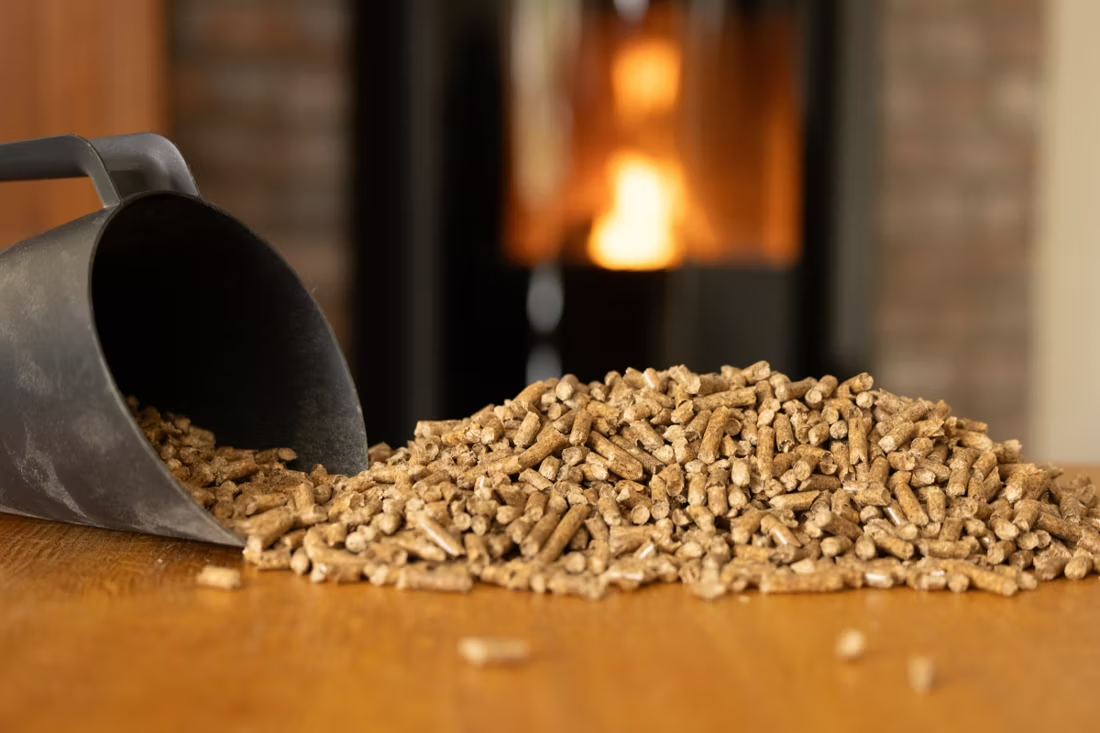
That's where a pellet stove or insert earns its place. Thermostatically controlled, feeding from a hopper instead of a woodpile, and burning manufactured hardwood pellets rather than self-cut logs, pellet appliances suit a county with no air quality non-attainment issues and no burn restrictions to navigate. Regional pellet supply is solid too—brands like Lignetics, Hamer Pellet Fuel, and Greenway Renewable Energy all distribute through the Deep South, so fuel isn't hard to find once the stove is in.
Three steps. No salesperson until you're ready.
Tell us about your project
Your zip code, your situation, and the fuel you're leaning toward—or let the answers point you to one.
See what's actually available
The brands dealers within 100 miles genuinely carry—real options, never a catalog mirage.
Get your dealer & Project Guide
A trusted local dealer, plus the free Project Guide & Parts List that names every component of the job.
Frequently Asked Questions
How much does a pellet stove installation cost in Lincoln County?
A pellet stove or insert installation in Lincoln County typically runs $3,000 to $6,000, depending on the unit and whether you're converting an existing fireplace or installing fresh. Pellet venting is simpler and cheaper than a full wood-burning chimney—most units vent through an exterior wall with a small-diameter pipe rather than requiring Class A chimney construction. Installers also need to run a dedicated electrical outlet nearby for the hopper's auger and blower motor, which is a smaller add if your home doesn't already have one in the right spot.
What size pellet stove do I need for my Lincoln County home?
With Lincoln County's mild winter profile—a short, mild heating season and average lows in the mid-30s—most homes do fine with a mid-size pellet stove rated for 1,000 to 1,800 square feet, even as the primary heat source for a living area. That's noticeably smaller than what a home in a harsher climate zone would need. Unless you're heating a large, open floor plan or an older farmhouse with poor insulation, oversizing isn't necessary here, and a smaller hopper means less frequent refilling during the shorter burn season.
Where can I find a certified pellet stove installer near Lincoln County?
Because Lincoln County's population is under 12,000, dedicated hearth retailers can be thin on the ground locally—many Brookhaven-area homeowners end up working with dealers based in the Jackson metro area or along the I-55 corridor who service the county as part of a wider territory. Look for NFI-certified installers regardless of where they're based; certification means they're trained specifically on pellet appliance venting, electrical requirements, and clearance codes, not just general contracting.
What's the difference between a pellet stove and a pellet insert?
A pellet stove is a freestanding unit that sits on a hearth pad and vents through a wall or existing chimney—it can go almost anywhere with the right clearances. A pellet insert is built to slide into an existing masonry fireplace, using a stainless liner run up your current chimney for venting. If you already have an old wood-burning fireplace in a Lincoln County home that rarely gets used, a pellet insert is often the more practical upgrade since it reuses the opening you already have rather than requiring a new hearth setup elsewhere in the room.
Do I need a permit to install a pellet stove in Lincoln County?
Yes—a building permit is generally required for a new pellet appliance installation, whether that's through the city of Brookhaven's building inspector if you're inside city limits, or the Lincoln County building department if you're in unincorporated areas. Most installers handle this paperwork as part of the job. One advantage pellet appliances have over wood stoves: there's no Forest Service cutting permit to worry about since you're buying bagged fuel, and pellet units aren't subject to the kind of wood-burning curtailment rules that apply in areas with winter air quality problems—not a concern here, since Lincoln County has none listed.
What's the best pellet stove for Lincoln County's climate?
Given the mild heating season, you don't need an oversized, cold-climate-rated unit here—a mid-size stove with a moderate hopper capacity handles Lincoln County winters comfortably. The bigger consideration for this part of Mississippi is power reliability: pellet stoves need electricity to run the auger and blower, and hurricane-season outages can knock out power for days at a time even well inland from the Gulf. If backup heat during an outage matters to you, ask your local dealer about units that pair well with a small battery backup or generator, or consider keeping a wood-burning option in reserve using the oak and pine that's plentiful around the county.
How much maintenance does a pellet stove need?
Pellet stoves need the ash pan emptied every few days during regular use, the burn pot scraped weekly, and the hopper and auger area vacuumed out periodically to keep pellets feeding smoothly. Plan on a full professional cleaning and inspection once a year, ideally before the cool season starts in late fall. Compared to a wood-burning chimney sweep, this is a lighter lift—no creosote buildup to worry about—but skipping it still leads to feed jams and inefficient burns.
Where can I buy pellet fuel in Lincoln County?
Regional brands like Lignetics, Hamer Pellet Fuel, and Greenway Renewable Energy all distribute pellets through the Deep South, and hearth dealers or farm supply stores serving Brookhaven and the surrounding area typically stock bagged pellets by the ton or by individual 40-pound bags. Expect to pay in the neighborhood of $230 to $300 per ton depending on brand and hardwood blend—hardwood pellets made from oak or pecan byproducts tend to run cleaner and hotter than softer pine-based blends, which matters more for heat output than for a short Mississippi winter, but is worth asking about.
Pellet stove vs. wood stove—which is right for my Lincoln County home?
Wood stoves work without electricity, which matters during hurricane-related outages, and pair naturally with the oak, pine, and pecan that grow throughout Lincoln County if you're willing to cut, split, and store it. Pellet stoves are far more convenient day to day—load the hopper, set the thermostat, and walk away—with less mess and no chimney creosote to manage, but they go dark in a power outage unless you have backup power. Given how mild the winters run here, plenty of local homeowners choose pellet for a clean, low-effort supplemental heat source and keep wood on hand separately for storm season.
Why is a fireplace insert so efficient?
An insert does two things: it seals the chimney completely, so you stop losing air you already paid to heat, and it radiates warmth into the room through the firebox and glass. Most add a heat-exchange fan that pulls cool room air underneath, wraps it around the hot firebox, and pushes it back out warm. Your home is more efficient before you've even lit the first fire.
Why is my open fireplace making my house colder?
Open fireplaces suck—literally. As the fire burns, it consumes air your furnace already paid to heat and pulls it out through the chimney, so the house is actually colder after the fire goes out than before you lit it. An insert fixes this: it seals the chimney, puts fixed glass across the front, and turns that hole in your house into a real heat source.
Does a fireplace add value to my home?
On average, a fireplace adds back to the home about the same amount you spent installing it. Add the monthly savings from heating the rooms you actually use instead of the whole house—often hundreds of dollars a year—and the value case is strong before you even count what a fire does for how your family uses the room.
Can a fireplace actually lower my heating bill?
Yes—by creating a comfort zone. A furnace heats every square foot of the house just to warm the one room you're in; a gas fireplace on low burns roughly a sixth of the gas a typical furnace does. Set the furnace around 55–60 degrees as a baseline, then heat the rooms your family actually uses. Families who heat this way commonly save $20–$60 a month.
Stove and Fireplace Dealers in Lincoln County
Pellet Brands Stocked Around Lincoln County
Manufacturers will point you to the nearest stocking dealer.
Find your pellet stove in Lincoln County.
Tell us a bit about your home and we'll match you with the right pellet stove or insert, plus a free Project Guide & Parts List—including the vent kit—and a trusted local dealer to install it.
Find Your Fireplace →