
Steady pellet heat built for Jasper County's mild winters.
With winter lows averaging 33°F and a mild, short heating season, Jasper County doesn't need the marathon burn times of a northern climate—it needs a clean, thermostat-set heat source for the cold snaps between Bay Springs and Heidelberg. Find the right pellet stove or insert, and connect with a trusted local dealer.
Every Project Starts From One of These Five Situations
A clean, thermostat-controlled heat source for Piney Woods homes.
Jasper County sits in Mississippi's Piney Woods, where oak, pine, and pecan cover most of the rural acreage between Bay Springs, Heidelberg, and Stringer. The climate here (zone 3A) is a different animal from the wood-heat culture of the upper Midwest—with a mild, short heating season, Jasper County sees a fraction of the heating load a place like Fargo, ND racks up in a single hard winter. Winter lows average around 33°F, which means most homes here need heat for a handful of genuinely cold weeks rather than a five-month siege.
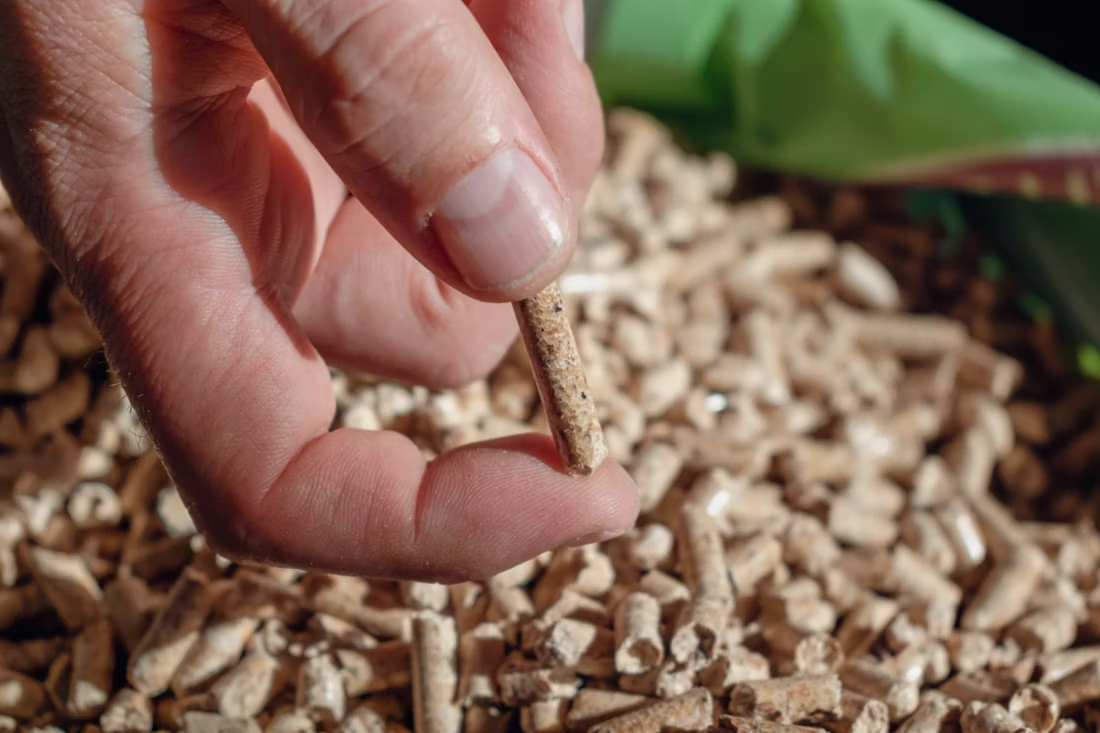
That's exactly the profile where pellet heat earns its keep. A pellet stove or insert lights with the push of a button, holds a set temperature automatically, and doesn't require splitting, stacking, and seasoning firewood the way a wood stove does—a real advantage for households that want heat on demand during a January cold front without committing to wood as a lifestyle. With no air quality restrictions on burning in Jasper County, there's no curtailment schedule or non-attainment paperwork to navigate. Regional pellet suppliers including Lignetics, Hamer Pellet Fuel, and Greenway Renewable Energy keep fuel available within a reasonable drive, and a local dealer can tell you which brand burns cleanest in your specific stove.
Three steps. No salesperson until you're ready.
Tell us about your project
Your zip code, your situation, and the fuel you're leaning toward—or let the answers point you to one.
See what's actually available
The brands dealers within 100 miles genuinely carry—real options, never a catalog mirage.
Get your dealer & Project Guide
A trusted local dealer, plus the free Project Guide & Parts List that names every component of the job.
Frequently Asked Questions
How much does a pellet stove installation cost in Jasper County?
Cost depends mainly on the stove itself, whether you're venting through an exterior wall or an existing masonry chimney, and whether the installation site has power nearby for the hopper's auger and blower motor—pellet stoves are the one hearth appliance that needs an electrical outlet to run. A straightforward wall-vent installation in an existing room is usually the most affordable path; running new venting through a cathedral ceiling or adding a dedicated circuit adds to the total. A local Jasper County dealer will walk your specific room and give you a firm number rather than a rough guess.
What size pellet stove do I need for my Jasper County home?
Because winter lows here average only around 33°F and the heating season is short compared to colder states, most Jasper County homes do fine with a small-to-medium pellet stove used for zone heating in a den, living room, or open-concept main floor—rather than the whole-house units common in places with a long, seven-month-plus heating season. If you're heating a double-wide or a compact ranch home, a smaller hopper-capacity unit is often plenty; larger homes with vaulted ceilings or an all-electric backup system may want a mid-size unit for the occasional hard freeze. A local dealer can size the unit to your square footage and insulation level during an in-home visit.
Where can I find pellet stove dealers and installers near Jasper County?
Jasper County itself is lightly populated, so most hearth dealers covering Bay Springs, Heidelberg, Stringer, and the surrounding county serve the area out of nearby Laurel or Meridian. Look for installers familiar with pellet-specific venting requirements (pellet stoves use a smaller-diameter vent than wood stoves and don't require a full masonry chimney) and comfortable running the dedicated electrical circuit a pellet unit needs. Because pellet stoves depend on electricity to operate, ask any installer about surge protection or battery backup options if outages are a concern in your area.
Pellet stove vs. wood stove—which fits Jasper County better?
With oak, pine, and pecan common on rural Jasper County properties, plenty of homeowners already have access to free or cheap firewood, which favors a traditional wood stove. But wood requires splitting, stacking, and seasoning, and it needs regular tending. A pellet stove trades that labor for a bag of pellets and a thermostat—you set a temperature and the auger feeds the fire automatically, which suits a county where winter is a matter of weeks, not months. The tradeoff is that pellet stoves need electricity to run, so they're not a stand-alone option during a power outage the way a wood stove is. Some households split the difference: wood for backup heat, pellet for daily convenience.
Do I need a permit to install a pellet stove in Jasper County?
Most pellet stove installations require a building permit, since you're adding a vent penetration and often a new electrical circuit. Check with the Jasper County building permit office before work begins—a local hearth dealer who regularly installs in the county can usually tell you exactly what's required and, in many cases, handle the permit as part of the installation. Because Jasper County has no air quality non-attainment designation, there's no curtailment schedule or emissions-related paperwork to worry about beyond the standard EPA certification already built into any modern pellet stove.
What's the best pellet stove for Jasper County's climate?
Because Jasper County's winters are mild by national standards, most homeowners don't need the largest hopper or the longest burn-time unit on the market—a mid-size, EPA-certified stove from a mainstream manufacturer is usually plenty for a den, living room, or open floor plan. What matters more locally is fuel: regional suppliers like Lignetics, Hamer Pellet Fuel, and Greenway Renewable Energy all sell in the area, and pellet quality (ash content, BTU output) varies by brand and even by bag. A local dealer can recommend which pellet brand runs cleanest in the specific model you buy.
How often does a pellet stove need to be serviced?
Pellet stoves need more frequent attention than a wood stove, but less mess. Plan to empty and clean the ash pot every few days during regular use, clean the burn pot and glass weekly, and have the exhaust vent, hopper, and auger professionally serviced at least once a year—ideally before the first cold snap of the season. Given Jasper County's short heating season, an annual fall service appointment is usually enough to keep a stove running reliably through the winter months you'll actually use it.
Where can I buy pellet fuel in Jasper County?
Regional brands including Lignetics, Hamer Pellet Fuel, and Greenway Renewable Energy supply the area, and pellets are typically sold by the bag or by the ton with delivery available from some suppliers for larger orders. Buying a season's supply early—before the first cold front of the year drives up local demand—is generally cheaper than restocking bag by bag in the middle of winter. A local dealer can point you toward the pellet brand that burns cleanest in your specific stove model and tell you where it's currently stocked near Bay Springs and Heidelberg.
Pellet stove vs. electric fireplace—which is right for my Jasper County home?
An electric fireplace or heater is the simpler, lower-cost option—no venting, no fuel to store, and it plugs into a standard outlet. It's a reasonable fit for a Jasper County home that just wants ambiance or light supplemental heat on the occasional chilly evening. A pellet stove costs more upfront and needs venting and a dedicated circuit, but it puts out real heat—enough to actually warm a room or zone through a hard freeze, which an electric unit generally can't match. For a county where winter lows average around 33°F but do dip well below freezing at times, a pellet stove is the better choice if you want to meaningfully offset your heating bill; electric is the better choice if ambiance and simplicity are the priority.
Why is my open fireplace making my house colder?
Open fireplaces suck—literally. As the fire burns, it consumes air your furnace already paid to heat and pulls it out through the chimney, so the house is actually colder after the fire goes out than before you lit it. An insert fixes this: it seals the chimney, puts fixed glass across the front, and turns that hole in your house into a real heat source.
Why is a fireplace insert so efficient?
An insert does two things: it seals the chimney completely, so you stop losing air you already paid to heat, and it radiates warmth into the room through the firebox and glass. Most add a heat-exchange fan that pulls cool room air underneath, wraps it around the hot firebox, and pushes it back out warm. Your home is more efficient before you've even lit the first fire.
Can I install a fireplace myself?
If you're putting a fire in your house on purpose, it's best to work with an expert. Unless you're genuinely experienced in framing, gas line, vent pipe, and the national code on clearances to combustibles, have a professional do it—and ideally the same company that sells you the fireplace, so warranty, service, and liability all live under one roof.
Can a fireplace actually lower my heating bill?
Yes—by creating a comfort zone. A furnace heats every square foot of the house just to warm the one room you're in; a gas fireplace on low burns roughly a sixth of the gas a typical furnace does. Set the furnace around 55–60 degrees as a baseline, then heat the rooms your family actually uses. Families who heat this way commonly save $20–$60 a month.
Stove and Fireplace Dealers in Jasper County
Pellet Brands Stocked Around Jasper County
Manufacturers will point you to the nearest stocking dealer.
Find your pellet stove in Jasper County.
Tell us a bit about your home and we'll match you with the right pellet stove or insert, plus a free Project Guide & Parts List—the exact parts, including the vent kit, and our recommended local Jasper County dealer.
Find Your Fireplace →