
Keep Your Family Warm and Safe—No Matter What
With a long, demanding heating season and lows near 8°F, Prior Lake homes ask a lot of a heat source. Find the right wood stove or insert, and get matched with a trusted local dealer.
Every Project Starts From One of These Five Situations
Wood heat that earns its keep on Prior Lake's coldest nights.
Prior Lake sits in Scott County along the shores of its namesake lake, part of the southern Twin Cities metro at about 930 feet of elevation. Winters here run long and cold—average lows hover around 8°F, with a long, demanding heating season each year, putting it in the same cold-climate territory as Minneapolis-St. Paul just up the road. Oak, maple, birch, and aspen from the Minnesota River valley and surrounding hardwood stands are the firewood species you'll find most often at local suppliers.
Prior Lake doesn't carry the winter-inversion or non-attainment air quality restrictions that limit wood burning in parts of the West, so there's no seasonal curtailment schedule to plan around here. What Prior Lake homeowners do need to think about: shoreland zoning. Properties near Prior Lake and Spring Lake fall under Minnesota DNR shoreland management rules, which can affect chimney placement and setback distances on lakefront lots. Beyond that, a properly sized wood stove or insert gives you real backup heat when a Minnesota Valley Electric Coop line goes down in an ice storm—something a furnace alone can't do.
Three steps. No salesperson until you're ready.
Tell us about your project
Your zip code, your situation, and the fuel you're leaning toward—or let the answers point you to one.
See what's actually available
The brands dealers within 100 miles genuinely carry—real options, never a catalog mirage.
Get your dealer & Project Guide
A trusted local dealer, plus the free Project Guide & Parts List that names every component of the job.
Frequently Asked Questions
How much does a wood stove installation cost in Prior Lake?
Most wood stove installations in the Prior Lake area run somewhere between $4,000 and $9,500, depending on the stove, whether you're venting through an existing masonry chimney or installing new Class A pipe, and any hearth pad work needed to meet clearance requirements. Homes without an existing chimney—common in Prior Lake's newer subdivisions built since the 1990s—tend to land on the higher end once full through-roof venting is factored in. Scott County and the City of Prior Lake both require a building permit for new wood-burning installations, and most local dealers handle that paperwork as part of the job.
What size wood stove do I need for a Prior Lake home?
A lot of Prior Lake housing stock is newer, well-insulated construction from the last 20-30 years, which changes the sizing math compared to an old farmhouse. Tighter, better-insulated homes often need less stove than square footage alone would suggest—a mid-size stove rated for 1,500-2,000 square feet may comfortably heat a larger, newer home. Older or poorly insulated houses closer to the lake, with more window area and higher ceilings, may need to size up. A local dealer will walk your home and size it properly; oversizing leads to smoldering, low-temperature fires and creosote buildup, which matters when you're burning through a long, cold Minnesota winter.
Where can I find certified wood stove installers near Prior Lake?
Look for NFI (National Fireplace Institute) certified installers or CSIA-credentialed technicians—both indicate formal training specific to wood-burning appliances, not general contracting. In the Prior Lake and greater Scott County area, most hearth retailers employ their own certified install crews, which keeps warranty coverage and permit sign-off under one roof. Avoid a general handyman for chimney and venting work; improper clearance-to-combustibles installs are the leading cause of residential chimney fires in Minnesota's cold-climate housing stock.
Wood stove or wood insert—which fits my Prior Lake home?
If your home already has a masonry fireplace—common in the older lake homes around Prior Lake—a wood insert is usually the better upgrade. It slides into the existing firebox, uses the chimney you already have, and turns a drafty, inefficient open hearth into a real heat source. For newer construction without an existing fireplace, which describes a lot of Prior Lake's more recently built subdivisions, a freestanding wood stove or zero-clearance wood fireplace is the more practical route since it doesn't depend on existing masonry.
Do I need a permit to install a wood stove in Prior Lake?
Yes. New wood-burning installations require a building permit through Scott County or the City of Prior Lake, and the stove itself needs to meet current EPA 2020 NSPS emissions standards. Most local dealers fold the permitting into the installation quote. If your property is on Prior Lake or Spring Lake, also check with the city about shoreland zoning setbacks before finalizing chimney placement—lakefront lots sometimes have additional siting requirements that inland properties don't.
What's the best wood stove for Prior Lake's winters?
With average winter lows around 8°F and a long, demanding heating season each year, Prior Lake sits solidly in cold-climate territory—closer to Minneapolis than to a mild-winter market. Catalytic stoves from Blaze King or Woodstock Soapstone are built for long, steady burns and can hold overnight heat through single-digit nights without a reload. Non-catalytic stoves from Jotul or Pacific Energy burn hotter and faster, which suits homeowners who want supplemental zone heat rather than an all-night burn. A local dealer can match either style to your home's insulation and layout.
How often should my chimney be inspected in Prior Lake?
Once a year, per CSIA guidelines—ideally in late summer or early fall before Minnesota's burn season starts in earnest. Homes using a wood stove as a primary or heavy supplemental heat source through a full Prior Lake winter can build creosote faster than the annual-use-only stove, so a mid-season check isn't a bad idea if you're burning several cords a winter. Local chimney sweeps in the Scott County area typically offer a Level 1 inspection and sweep as a single visit.
Where can I get firewood in the Prior Lake area?
Prior Lake isn't near national forest land, so firewood here comes from local tree services, licensed firewood dealers, and private landowners rather than public-land cutting permits. Oak and maple are the most common seasoned hardwoods sold locally and burn long and hot, but oak needs a full year or more of seasoning before it's ready to burn clean—buy it a season ahead if you can. Birch and aspen season faster and work well for shoulder-season fires. Expect to pay roughly $220-$300 per full cord for seasoned hardwood delivered in the Scott County area, with prices climbing in late fall as demand picks up.
Wood stove vs. pellet stove—which makes more sense in Prior Lake?
Wood stoves run on cordwood, need no electricity, and keep working when a Minnesota Valley Electric Coop line goes down in an ice storm—a real consideration in a region where winter outages happen. Pellet stoves, stocked locally by brands like Indeck Energy Services, Lignetics, and Somerset Pellet Fuel, are more convenient to load and run cleaner, but the auger and blower need power, so they go dark in an outage unless you add battery backup. For a Prior Lake home where oak and maple firewood are easy to source and winter power interruptions are a real possibility, wood keeps the edge as backup heat. For homes that prioritize low-maintenance daily use and have steady power, pellet is a strong option too.
Why is a fireplace insert so efficient?
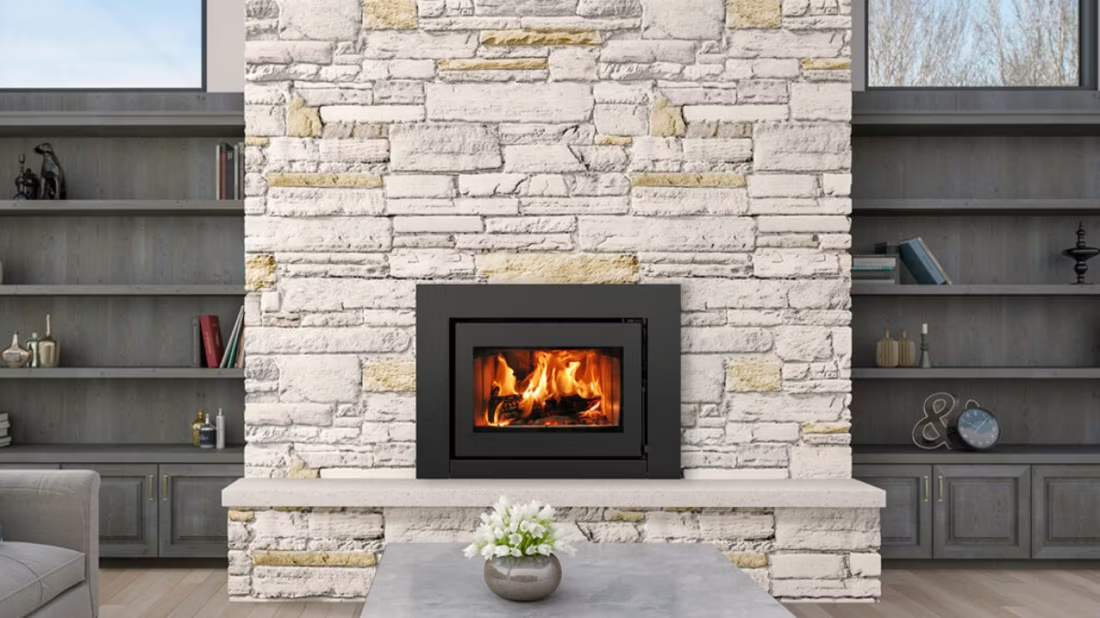
An insert does two things: it seals the chimney completely, so you stop losing air you already paid to heat, and it radiates warmth into the room through the firebox and glass. Most add a heat-exchange fan that pulls cool room air underneath, wraps it around the hot firebox, and pushes it back out warm. Your home is more efficient before you've even lit the first fire.
Can a wood stove burn all night?
The right one can. If waking up to a warm house and live coals matters to you, say exactly that when you're shopping—firebox size and burn-rate control determine overnight performance far more than any number on a spec sheet. It's a much more useful question than asking about BTUs.
What is an in-home preview and do I need one?
It's a visit where a hearth professional measures your space, confirms the model you picked actually works in your home, and walks the specs—framing, gas line, venting, finish work—before anything is ordered. Some details you just can't know until you see the house. Never make a down payment without one; it's the single most-skipped step that burns buyers.
Does a fireplace add value to my home?
On average, a fireplace adds back to the home about the same amount you spent installing it. Add the monthly savings from heating the rooms you actually use instead of the whole house—often hundreds of dollars a year—and the value case is strong before you even count what a fire does for how your family uses the room.
Nearby Dealers
Hearth shops serving Prior Lake and the surrounding area.
Find your wood fireplace in Prior Lake.
Tell us about your home and we'll put together a free Project Guide & Parts List for your wood fireplace or insert—sized correctly, with the exact parts you need, and matched to a trusted local dealer in the Prior Lake area.
Find Your Fireplace →