
Find a pellet stove built for Houston County's long, hard winters.
With a long heating season and winter lows averaging 12°F along the bluffs of the Mississippi, Houston County homes need heat that runs efficiently for months at a time. We'll match you with a trusted local dealer who can size the right pellet unit and install it correctly.
Every Project Starts From One of These Five Situations
Consistent, thermostat-controlled heat for a long heating season.
Houston County sits in the bluff country of southeastern Minnesota, tucked against the Mississippi River with a climate zone of 6A and a heating season on par with Duluth or Fargo. Winter lows average 12°F, and cold snaps well below zero aren't unusual from Caledonia to La Crescent to Spring Grove. That's a lot of months where a home needs steady, dependable heat rather than a fire you have to babysit.
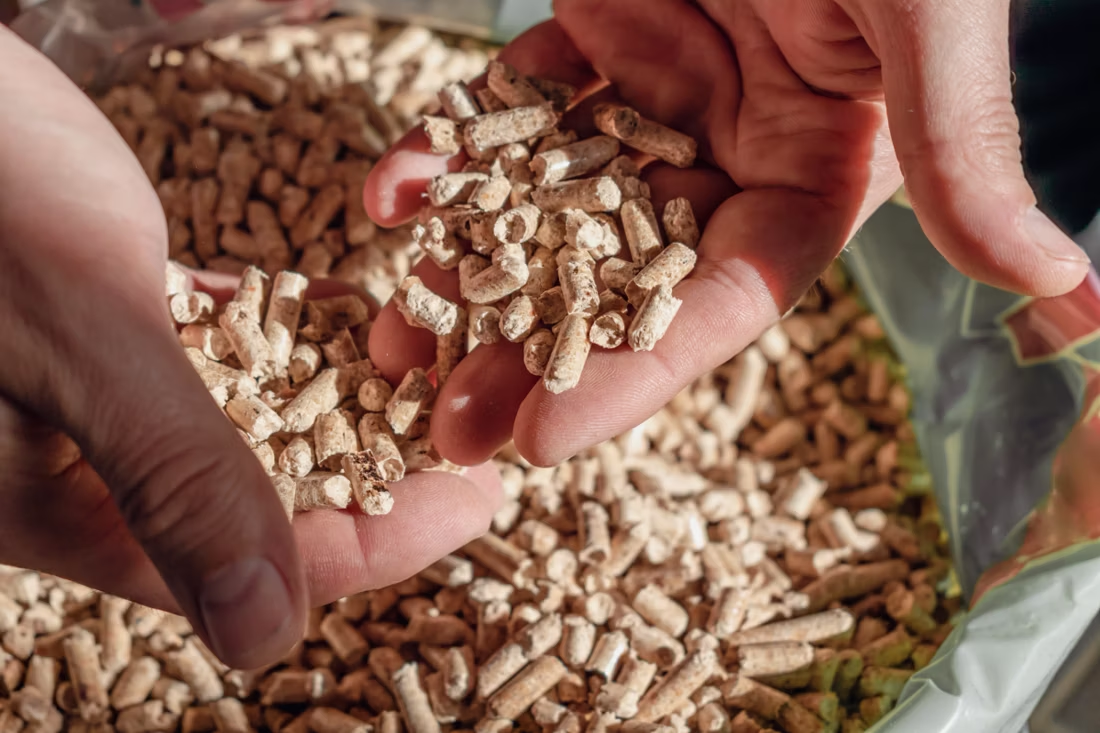
Pellet stoves fit that need well: load the hopper, set the thermostat, and the auger feeds fuel automatically for hours at a stretch—no splitting oak or maple, no creosote buildup to manage every week. Regional pellet brands including Indeck Energy Services, Lignetics, and Somerset Pellet Fuel supply the upper Midwest, so fuel availability isn't a concern here the way it can be in more remote counties. With no air quality non-attainment issues in Houston County, pellet stoves also burn without the smoke restrictions some Western counties deal with during winter inversions—one less thing to think about during a long southeastern Minnesota winter.
Three steps. No salesperson until you're ready.
Tell us about your project
Your zip code, your situation, and the fuel you're leaning toward—or let the answers point you to one.
See what's actually available
The brands dealers within 100 miles genuinely carry—real options, never a catalog mirage.
Get your dealer & Project Guide
A trusted local dealer, plus the free Project Guide & Parts List that names every component of the job.
Frequently Asked Questions
How much does a pellet stove installation cost in Houston County?
Pellet stove and insert installations in Houston County typically run in the range of most Upper Midwest counties with a similar heating load—expect variation based on whether you're installing into an existing masonry fireplace, need new venting through an exterior wall, or require electrical work for the auger and blower circuit. Rural properties around Spring Grove or Eitzen may see a modest travel charge added by installers based near Caledonia or La Crescent. A local dealer will give you a firm number after walking your home.
Will a pellet stove keep my home warm during a Houston County cold snap?
A properly sized pellet stove can absolutely hold its own through the coldest stretches along the bluffs, but sizing matters more here than in milder climates. With winter lows averaging 12°F and stretches well below zero, a stove sized for a 1,500 sq ft home in a milder county will run flat-out and still fall short in a Houston County farmhouse with drafty windows. Local dealers account for insulation quality, ceiling height, and whether the stove is your primary or supplemental heat source before recommending a model—that in-home sizing conversation is worth having rather than guessing off a box label at a big-box store.
Do pellet stoves work during a power outage?
This is the one real tradeoff to understand before choosing pellet over wood. Pellet stoves rely on electricity to run the auger that feeds fuel and the blower that distributes heat—without power, the stove won't operate. Some homeowners in rural Houston County pair a pellet stove with a small battery backup or generator specifically for this reason, since winter storms along the river bluffs can knock out power for hours or longer. If backup heat during outages is a top priority, a wood stove burning local oak, maple, or birch is worth comparing side by side with a local dealer before you decide.
Where can I buy pellet fuel in Houston County?
Regional suppliers including Indeck Energy Services, Lignetics, and Somerset Pellet Fuel serve the upper Midwest, and hardware stores and farm supply outlets in Caledonia and La Crescent typically stock bagged pellets in-season, with many offering pallet delivery for homeowners who burn heavily through the winter. Buying a season's supply early in fall—before the first cold snap drives up local demand—is a common strategy among Houston County homeowners who rely on pellet heat as their primary source.
What's the difference between a pellet stove and a pellet insert?
A pellet stove is a freestanding unit that sits on its own hearth pad and vents through an exterior wall or existing chimney—it can go almost anywhere in a room with the right clearances. A pellet insert is built to slide into an existing masonry fireplace opening, which is common in older farmhouses and homes throughout Houston County's small towns. If you already have a wood-burning fireplace you rarely use, an insert converts it into an efficient, thermostat-controlled heat source without giving up the existing masonry structure. A local dealer can tell you quickly which option fits your fireplace opening and venting situation.
Do I need a permit to install a pellet stove in Houston County?
Most pellet stove installations require a building permit, since venting through an exterior wall and any electrical work for the unit typically fall under local building code. Most established local dealers handle the permitting as part of a full-service installation, so it's worth confirming that's included when you get a quote. Because Houston County has no air quality non-attainment designation, there are no wood-smoke curtailment periods to navigate here—one less regulatory hurdle than counties dealing with winter inversion restrictions.
How much pellet fuel will I need for a Houston County winter?
With a heating season stretching from around October through April, a home in Houston County using a pellet stove as a primary heat source can burn through 2 to 3 tons of pellets over a full season, depending on square footage and insulation. Homes using pellet heat as a supplement to a furnace typically burn less, closer to 1 to 1.5 tons. Given the length of the local heating season—stretching from around October through April—buying pellets in bulk quantities early, rather than by the bag as needed, tends to save money and avoid supply gaps during peak demand months.
How often does a pellet stove need to be cleaned and serviced?
Pellet stoves need more frequent attention than people expect—the ash pan should be emptied every few days to weekly depending on use, and the glass and burn pot benefit from a quick cleaning on a similar schedule. A full professional service, including checking the auger motor, exhaust blower, and venting, is recommended annually, ideally in late summer before the Houston County heating season ramps up in earnest. Skipping this maintenance is the most common reason pellet stoves underperform or shut down mid-winter.
Pellet vs. wood—which is right for my Houston County home?
Wood offers backup heat during power outages, lower fuel cost if you're cutting your own oak, maple, or birch, and the traditional experience of a real fire—all relevant given how long and cold a Houston County winter runs. Pellet offers thermostat-controlled, consistent heat with far less daily labor, cleaner burning, and easier loading for anyone who doesn't want to split and stack cordwood every fall. Many homeowners in the county end up choosing based on lifestyle: if you already have a woodlot and don't mind the work, wood often wins; if convenience and consistent output matter more than tradition, pellet is usually the better fit. A local dealer can walk through both with your specific home in mind.
Why is a fireplace insert so efficient?
An insert does two things: it seals the chimney completely, so you stop losing air you already paid to heat, and it radiates warmth into the room through the firebox and glass. Most add a heat-exchange fan that pulls cool room air underneath, wraps it around the hot firebox, and pushes it back out warm. Your home is more efficient before you've even lit the first fire.
Why is my open fireplace making my house colder?
Open fireplaces suck—literally. As the fire burns, it consumes air your furnace already paid to heat and pulls it out through the chimney, so the house is actually colder after the fire goes out than before you lit it. An insert fixes this: it seals the chimney, puts fixed glass across the front, and turns that hole in your house into a real heat source.
What is an in-home preview and do I need one?
It's a visit where a hearth professional measures your space, confirms the model you picked actually works in your home, and walks the specs—framing, gas line, venting, finish work—before anything is ordered. Some details you just can't know until you see the house. Never make a down payment without one; it's the single most-skipped step that burns buyers.
Does a fireplace add value to my home?
On average, a fireplace adds back to the home about the same amount you spent installing it. Add the monthly savings from heating the rooms you actually use instead of the whole house—often hundreds of dollars a year—and the value case is strong before you even count what a fire does for how your family uses the room.
Pellet Brands Stocked Around Houston County
Manufacturers will point you to the nearest stocking dealer.
Find your pellet stove in Houston County.
Tell us a bit about your home and we'll match you with a trusted local dealer and a free Project Guide & Parts List—sized for Houston County's long heating season, with the exact parts including the vent kit.
Find Your Fireplace →