
Steady, low-maintenance heat for Lapeer County's long winters.
With a long, demanding heating season and winter lows averaging 15°F across the Thumb, Lapeer County homes need heat that runs for hours without tending. A thermostatically controlled pellet stove or insert does that—find the right unit and connect with a trusted local dealer.
Every Project Starts From One of These Five Situations
A clean-burning fit for the Thumb's farmland winters.
Lapeer County sits in Michigan's Thumb region—a mix of farmland, small lakes, and rural subdivisions stretching from the city of Lapeer through Imlay City, Almont, North Branch, Dryden, Columbiaville, and Otter Lake. Winters here run long: Climate Zone 5A, an average winter low of 15°F, and a heating season about as demanding as Madison, Wisconsin. Farmhouses near Metamora-Hadley State Recreation Area and the Lapeer State Game Area often carry older, less-insulated envelopes, which means whatever heats them needs to run steady for months, not just take the edge off a cool evening.
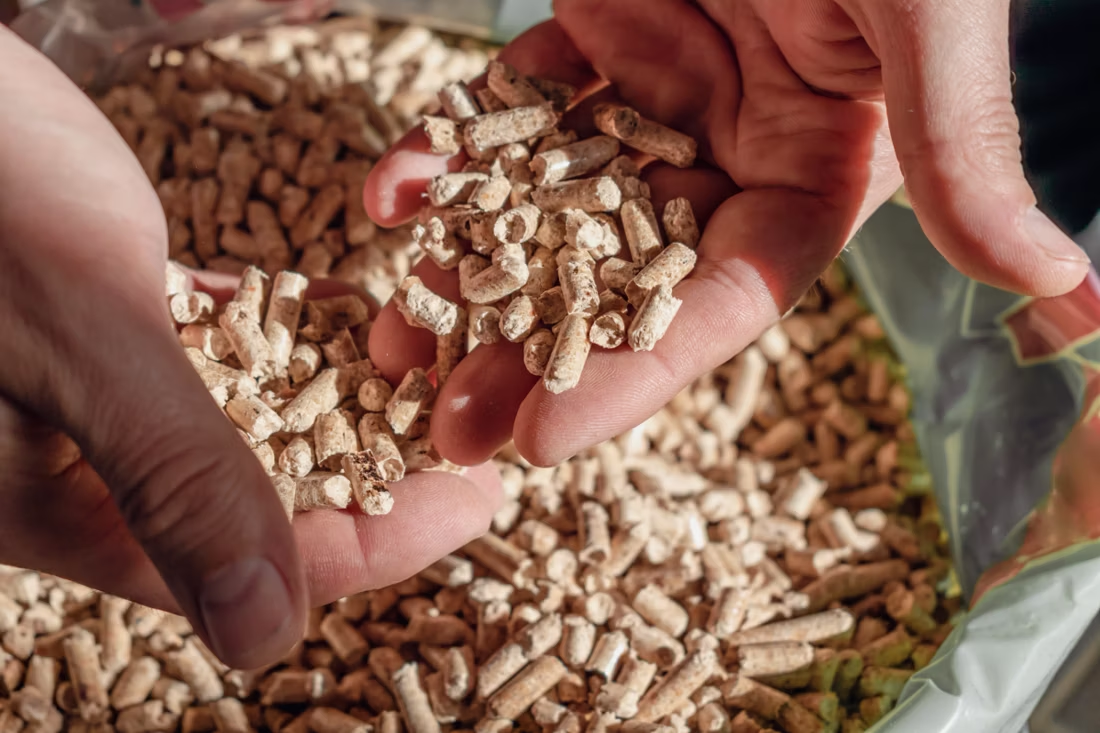
Pellet stoves fit that need without the hands-on tending wood requires. Load the hopper, set the thermostat, and the auger feeds the fire automatically for a day or more depending on the unit. Lapeer County has no air quality non-attainment designations or winter burn restrictions, so pellet appliances run here without the curtailment concerns some Michigan counties face. Fuel is also close at hand—regional producers including Indeck Energy Services, Lignetics, and Somerset Pellet Fuel supply hardwood pellets made largely from the same oak, maple, birch, and ash that fill county woodlots, so bagged fuel doesn't have to travel far to reach a Lapeer County hearth.
Three steps. No salesperson until you're ready.
Tell us about your project
Your zip code, your situation, and the fuel you're leaning toward—or let the answers point you to one.
See what's actually available
The brands dealers within 100 miles genuinely carry—real options, never a catalog mirage.
Get your dealer & Project Guide
A trusted local dealer, plus the free Project Guide & Parts List that names every component of the job.
Frequently Asked Questions
How much does a pellet stove installation cost in Lapeer County?
Most pellet stove and insert installations in Lapeer County run in the $3,000 to $6,500 range, with the spread driven by whether you're installing a freestanding stove versus fitting an insert into an existing masonry fireplace, the length and routing of the vent pipe, and whether a hearth pad upgrade is needed for clearance. Homes on rural properties around North Branch or Dryden without an existing chimney typically fall toward the higher end once wall venting and electrical work for the hopper motor are added. A local dealer will confirm the exact number after an in-home look at your venting path and floor plan.
What size pellet stove do I need for my Lapeer County home?
Sizing depends on square footage, ceiling height, and how well-insulated the home is—and that last factor matters more than usual here, since a good share of Lapeer County's housing stock is older farmhouses around Almont and Columbiaville with drafty envelopes. As a rough guide, small units (under 1,000 sq ft) suit a single room or converted garage, medium units (1,000–2,000 sq ft) cover most main living areas, and large units (2,000+ sq ft) can carry a whole modest home if it's reasonably tight. Given how long and demanding the county's heating season runs, it's usually smarter to size toward the upper end of a range rather than the lower end—a local dealer will walk your home and confirm before you buy.
Where can I find pellet stoves and pellet fuel dealers near me in Lapeer County?
A handful of hearth dealers cover Lapeer County's mix of small towns, generally serving customers from the city of Lapeer out to Imlay City, Almont, and North Branch. For fuel, regional producers including Indeck Energy Services, Lignetics, and Somerset Pellet Fuel are commonly stocked at farm supply stores and hearth shops throughout the county—worth checking stock levels in late summer before the heating season starts, since bag supply can tighten in a hard winter.
What's the difference between a pellet stove and a pellet insert?
A pellet stove is a freestanding, self-contained unit that sits on a hearth pad and vents through a wall or existing chimney—it can go almost anywhere with the right clearances, including a home with no fireplace at all. A pellet insert is built to slide into an existing masonry fireplace opening, turning an old open hearth into a sealed, thermostatically controlled heat source. For Lapeer County homes with an existing fireplace that's rarely used for real heat, an insert usually makes more sense; homes without one, or looking to heat a converted garage or bonus room, are better suited to a freestanding stove.
Do I need a permit to install a pellet stove in Lapeer County?
Yes—a new pellet stove or insert installation typically requires a building permit through the Lapeer County Building Department (or the local municipal office if you're inside city limits), since the install involves wall penetration for venting and often new electrical work for the hopper's auger and blower motor. Most established local dealers handle the permit paperwork as part of the installation, so it's worth confirming that up front when you get a quote.
What's the best pellet stove for Lapeer County's climate?
Look for a unit rated for sustained cold-climate use with a large hopper—40 to 80 pounds—so it can run through a full overnight cycle without a refill during the county's coldest stretches, when lows regularly sit near 15°F. Established cold-climate makers like Harman and Quadra-Fire build models designed for exactly this kind of extended-run demand. For a bonus room or detached workshop, a smaller-hopper unit is fine; for a primary heat source in an older farmhouse near Dryden or Otter Lake, size up and prioritize hopper capacity over aesthetics.
How often does a pellet stove need cleaning and maintenance?
Plan on emptying the ash pan every few days during regular use and a full burn-pot and venting cleaning every one to two weeks depending on how many hours the stove runs. A more thorough annual service—checking the auger, blower motor, gaskets, and venting for buildup—should happen once a year, ideally in late summer before the county's heating season ramps up in earnest. Pellet units generate far less creosote than a wood stove, but skipping the auger and vent maintenance is still the most common cause of service calls.
Where do I buy and store pellet fuel in Lapeer County, and what does it cost?
Bagged hardwood pellets from producers like Lignetics, Indeck Energy Services, and Somerset Pellet Fuel are typically available through farm supply retailers and hearth dealers around the county, usually sold in 40-pound bags stacked on pallets. Midwest pricing generally runs in the $250 to $320 per ton range, though it's worth buying early—before the first cold snap—since demand and price both tend to climb once winter sets in. A dry garage, barn, or shed keeps bags from absorbing moisture, which is the main thing that ruins pellet quality.
Pellet stove vs. wood stove—which is right for my Lapeer County home?
Wood stoves run without electricity, which matters during the ice storms and downed-line outages that hit rural Lapeer County in a hard winter, and they pair naturally with the oak, maple, birch, and ash already common on county woodlots. Pellet stoves need electricity to run the auger and blower, so they go dark in an outage unless you add a battery backup, but they offer thermostatic, hands-off heat, less ash, and no splitting or stacking. For a primary heat source on a property with reliable power, pellet is often the easier day-to-day choice; for true off-grid backup heat, wood still has the edge. Plenty of county homes run both—pellet for daily convenience, wood as the fallback.
What's the difference between an insert and a zero-clearance fireplace?
An insert is a fireplace that slides into a pre-existing wood-burning fireplace—if you don't have one, there's nothing to insert it into. A zero-clearance fireplace is built into a framed wall, which makes it the answer for remodels and new construction. Simple test: existing masonry fireplace means insert; blank or framed wall means zero-clearance.
Why is a fireplace insert so efficient?
An insert does two things: it seals the chimney completely, so you stop losing air you already paid to heat, and it radiates warmth into the room through the firebox and glass. Most add a heat-exchange fan that pulls cool room air underneath, wraps it around the hot firebox, and pushes it back out warm. Your home is more efficient before you've even lit the first fire.
How much should I budget for a fireplace?
For an average home—covering the fireplace, the vent pipe, and basic installation—a budget between $3,900 and $5,500 gives you a lot of options across wood, gas, and pellet. By the time you add finish work, gas line, and electrical, the average complete installation lands between $5,000 and $12,000 all-in. In a remodel or new build, a good rule is to put about 2.5% of the total project cost toward the fireplace.
Can I install a fireplace myself?
If you're putting a fire in your house on purpose, it's best to work with an expert. Unless you're genuinely experienced in framing, gas line, vent pipe, and the national code on clearances to combustibles, have a professional do it—and ideally the same company that sells you the fireplace, so warranty, service, and liability all live under one roof.
Stove and Fireplace Dealers in Lapeer County
Pellet Brands Stocked Around Lapeer County
Manufacturers will point you to the nearest stocking dealer.
Find your pellet stove in Lapeer County.
Tell us about your home and heating goals, and we'll match you with a trusted local dealer and send over a free Project Guide & Parts List—the exact stove or insert, vent kit, and installation plan for your Lapeer County home.
Find Your Fireplace →