
Pellet Stoves Are Uncommon in Ferrysburg—Here's Where They Still Make Sense.
Natural gas runs the show in this Ottawa County lakeshore town, but pellet heat still has a place—cottages, garages, and homeowners who want efficient backup warmth without a chimney. Get matched with a dealer who actually stocks it.
Every Project Starts From One of These Five Situations
Natural gas dominates heating in Ferrysburg—pellet stoves fill a narrow niche.
Ferrysburg sits where the Grand River meets Lake Michigan, a town of under 3,000 people in Ottawa County with winters that average 19°F lows and a winter heating season about as demanding as Duluth, Minnesota's—similar in severity to Duluth, Minnesota, if a bit milder thanks to the lake's moderating effect. Despite the cold, most homes here heat with natural gas. Consumers Energy's infrastructure runs deep through West Michigan's lakeshore communities, and gas fireplaces or furnaces are the default choice for new construction and remodels alike.
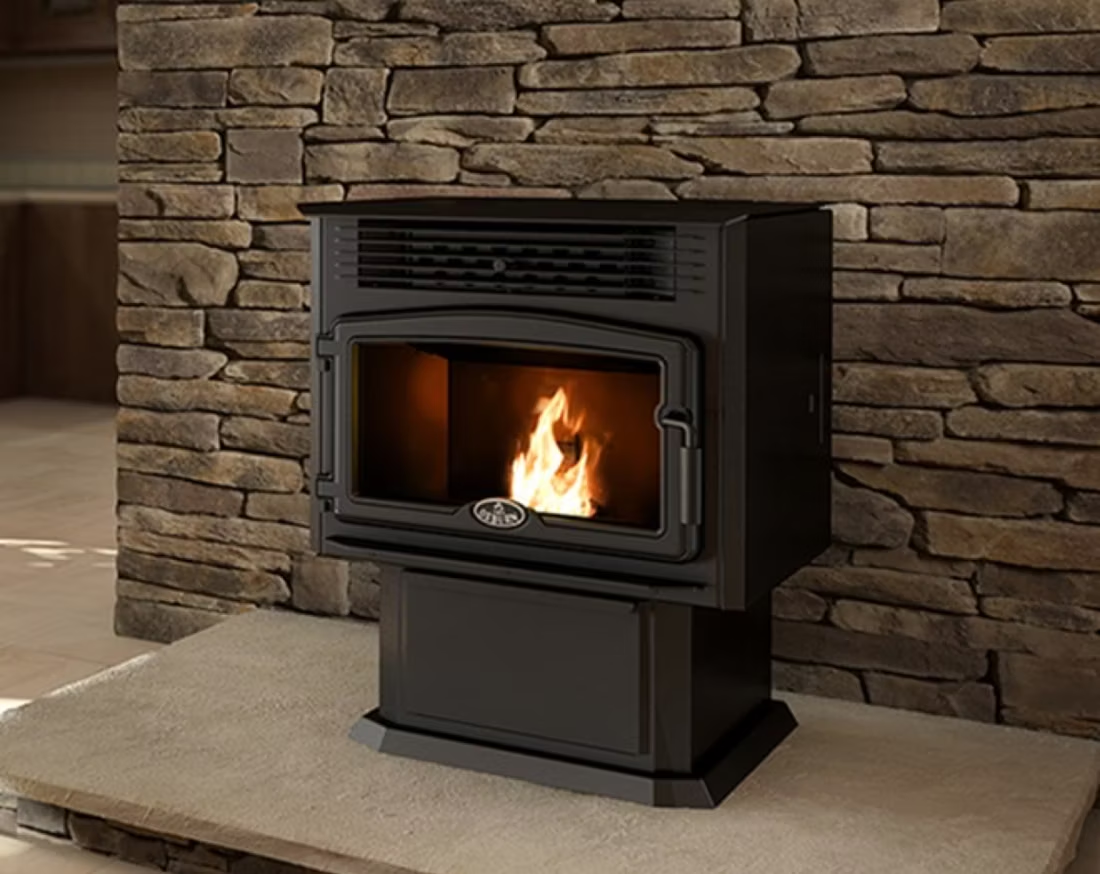
That's why pellet stoves are genuinely uncommon in Ferrysburg—not because they don't work in this climate, but because the market has settled on gas and electric heat, and few local hearth retailers keep pellet units in stock. Regional pellet producers like Indeck Energy Services, Lignetics, and Somerset Pellet Fuel supply the wider West Michigan region, so pellets themselves aren't hard to find—it's the stoves, installers, and venting expertise that take more digging. If you own a boathouse, a detached garage, or a cottage near the channel and want a self-contained heat source that doesn't rely on a gas line, a pellet stove can still be the right call—you'll just want a dealer who actually handles them regularly.
Three steps. No salesperson until you're ready.
Tell us about your project
Your zip code, your situation, and the fuel you're leaning toward—or let the answers point you to one.
See what's actually available
The brands dealers within 100 miles genuinely carry—real options, never a catalog mirage.
Get your dealer & Project Guide
A trusted local dealer, plus the free Project Guide & Parts List that names every component of the job.
Frequently Asked Questions
How much does a pellet stove installation cost in Ferrysburg?
Because pellet stoves are a niche request here, exact local pricing data is thin, but homeowners in West Michigan typically see $3,000 to $6,000 for a freestanding pellet stove installation, including venting, and $4,000 to $7,000 for a pellet insert into an existing fireplace. Since few Ottawa County retailers install pellet appliances regularly, expect a dealer to visit the site before quoting—venting a pellet stove is different from a wood chimney, and getting an accurate number means someone who's actually done the work before.
Why is pellet heat considered rare in Ferrysburg specifically?
It comes down to what's already in the ground. Consumers Energy's natural gas lines reach most of Ferrysburg and the surrounding Spring Lake and Grand Haven area, so a gas fireplace or furnace is usually the path of least resistance for both new builds and remodels. Pellet stoves require a dedicated hopper, regular bag handling, and periodic ash removal—more maintenance than flipping a switch on a gas unit. That tradeoff, combined with low demand, means most local hearth shops don't stock pellet inventory the way they would in a more rural, off-grid-leaning market.
Where can I buy pellets near Ferrysburg?
Regional producers including Indeck Energy Services, Lignetics, and Somerset Pellet Fuel supply the broader West Michigan market, and bags typically reach Ottawa County through hardware stores and farm supply retailers rather than dedicated hearth shops. Because pellet stoves are uncommon locally, it's worth calling ahead in fall to confirm stock rather than assuming a store carries them year-round—demand spikes early in cold snaps and some retailers sell out.
What's the difference between a pellet stove and a pellet insert?
A pellet stove is a freestanding unit that vents through a wall or existing chimney chase—it works in a garage, cottage, or room with no existing fireplace, which fits a lot of Ferrysburg's smaller lakeshore properties. A pellet insert fits into an existing masonry fireplace opening, using the chimney (fitted with a liner) as the vent path. Since wood-burning fireplaces are also uncommon in this market, most Ferrysburg pellet buyers end up looking at freestanding stoves rather than inserts, simply because there's less existing masonry to retrofit.
What size pellet stove do I need for a lakeshore cottage or garage?
For a detached garage or boathouse in the 400-800 square foot range, a small pellet stove is usually plenty, even with Ferrysburg's 19°F average winter lows. For a full cottage or a supplemental heat zone in a larger home, a medium stove (up to roughly 1,500-2,000 square feet) is more typical. Because these buildings often have less insulation than a primary residence, a local dealer should walk the space and check ceiling height and air sealing before recommending a specific BTU output.
Do I need a permit to install a pellet stove in Ferrysburg?
Most likely yes—a building permit through the City of Ferrysburg or Ottawa County covers appliance installation and venting, similar to any solid-fuel or wood-pellet heating unit. Unlike wood stoves, there's no cutting permit or forest service paperwork involved since you're buying bagged pellets rather than harvesting cordwood. A local installer who's handled pellet permits before, even if that's not their most common job, will know exactly what the building department wants to see.
Will my pellet stove work if the power goes out?
Not without backup power. Pellet stoves rely on an electric auger to feed fuel and a blower to circulate heat, so a power outage shuts them down even with a full hopper. Ferrysburg is served by Consumers Energy, Wolverine Power Supply Cooperative, and the City of Zeeland's municipal utility depending on exact location, and lakeshore winter storms do occasionally knock out power. If backup heat during outages matters to you, pair a pellet stove with a small generator or battery inverter, or consider a wood-burning option instead—a tradeoff worth discussing with your dealer up front.
Pellet vs. gas—which makes more sense for a Ferrysburg home?
Gas is the practical default here: instant on-off operation, no fuel storage, and a service network that already exists throughout Ottawa County thanks to Consumers Energy's infrastructure. Pellet heat requires buying and storing bags, cleaning ash, and finding a dealer willing to service a less common appliance. Where pellet still wins is standalone buildings without a gas line—a detached garage, workshop, or boathouse near the channel—where running new gas service would cost more than the stove itself. For a primary living space with gas already available, gas is almost always the simpler call.
Pellet vs. wood—why are both considered unusual in Ferrysburg?
Both share the same root cause: extensive natural gas coverage and a small, densely built lakeshore town where most homeowners prioritize convenience over solid-fuel heating. That said, if you're choosing between the two for a cabin or outbuilding, wood offers off-grid operation with no reliance on electricity, while pellet offers more consistent heat output and less hands-on tending—at the cost of needing power to run. Local oak, maple, birch, and ash are all available regionally if you go the wood route, but expect the same reality as pellet: fewer dealers stock and install either one compared to gas.
Why is my open fireplace making my house colder?
Open fireplaces suck—literally. As the fire burns, it consumes air your furnace already paid to heat and pulls it out through the chimney, so the house is actually colder after the fire goes out than before you lit it. An insert fixes this: it seals the chimney, puts fixed glass across the front, and turns that hole in your house into a real heat source.
Why is a fireplace insert so efficient?
An insert does two things: it seals the chimney completely, so you stop losing air you already paid to heat, and it radiates warmth into the room through the firebox and glass. Most add a heat-exchange fan that pulls cool room air underneath, wraps it around the hot firebox, and pushes it back out warm. Your home is more efficient before you've even lit the first fire.
Does a fireplace add value to my home?
On average, a fireplace adds back to the home about the same amount you spent installing it. Add the monthly savings from heating the rooms you actually use instead of the whole house—often hundreds of dollars a year—and the value case is strong before you even count what a fire does for how your family uses the room.
What is an in-home preview and do I need one?
It's a visit where a hearth professional measures your space, confirms the model you picked actually works in your home, and walks the specs—framing, gas line, venting, finish work—before anything is ordered. Some details you just can't know until you see the house. Never make a down payment without one; it's the single most-skipped step that burns buyers.
Nearby Dealers
Hearth shops serving Ferrysburg and the surrounding area. Every listing shows whether it is a WhyFire partner, a dealer we have verified as authorized for the brands we recommend, or a local business carrying hearth products. No manufacturer pays for placement. How we verify dealers →
Fireplace And Stone
Fireplace Gallery Of West Mich
Pellet Brands Stocked Around Ferrysburg
Manufacturers will point you to the nearest stocking dealer.
Find your pellet stove in Ferrysburg.
Pellet heat is a niche fit here, so getting matched with a dealer who actually installs it matters. Tell us about your space and we'll send a free Project Guide & Parts List—the right pellet stove or insert, the vent kit it needs, and a trusted local dealer who can install it correctly.
Find Your Fireplace →