
Pellet Heat Is Uncommon Here—But Not Impossible.
North Laurel runs on natural gas and electric heat pumps, not pellet hoppers. For the small number of homeowners who still want one—for backup heat, ambiance, or an off-grid supplement—here's what's realistic and who can install it.
Every Project Starts From One of These Five Situations
A mild, gas-served suburb where pellet stoves are the exception, not the rule.
North Laurel sits at just 274 feet elevation in Howard County's Baltimore-Washington corridor, with an average winter low around 26°F and a moderate winter heating season—nowhere close to the long, brutal winters of a place like Duluth or Burlington, VT, where a stove holding a 20-hour burn actually matters for survival heat. Most homes here were built with natural gas furnaces or heat pumps in mind, and Baltimore Gas & Electric serves the area with both electricity and gas infrastructure that makes central heat the default, low-effort choice.
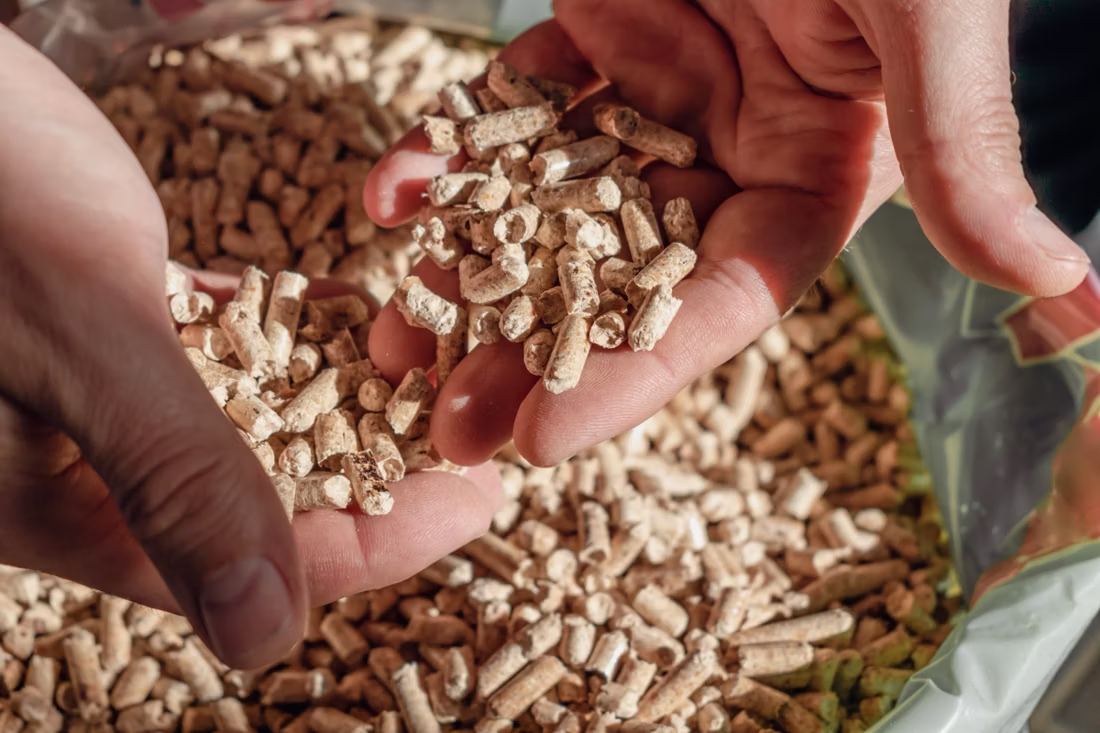
That's why pellet stoves rarely show up on North Laurel roofs. Many of the townhomes and single-family communities in this zip code fall under HOA guidelines that restrict exterior venting changes, and pellet fuel itself isn't stocked locally the way firewood or propane might be—bagged pellets from regional producers like Energex, Hamer Pellet Fuel, and Greene Team Pellet Fuel typically come through hearth retailers serving the wider Baltimore-Columbia-DC metro rather than dedicated feed stores in North Laurel itself. Still, a small number of homeowners here install a pellet insert or freestanding unit for supplemental zone heat, for backup warmth during a BGE outage, or simply because they like the clean, automated burn and want to avoid an open wood fire. If that's you, a local dealer familiar with this specific market can tell you what's actually installable in your home.
Three steps. No salesperson until you're ready.
Tell us about your project
Your zip code, your situation, and the fuel you're leaning toward—or let the answers point you to one.
See what's actually available
The brands dealers within 100 miles genuinely carry—real options, never a catalog mirage.
Get your dealer & Project Guide
A trusted local dealer, plus the free Project Guide & Parts List that names every component of the job.
Frequently Asked Questions
Are pellet stoves actually common in North Laurel?
No, and it's worth saying plainly: pellet stoves are a niche choice here. Most North Laurel homes heat with natural gas furnaces or electric heat pumps through Baltimore Gas & Electric, and the area's mild winters (average low around 26°F, a moderate winter heating season) don't create the kind of sustained cold that pushes homeowners toward a dedicated wood-pellet heat source the way it does in colder parts of the country. The homeowners who do install one are usually adding supplemental heat to a specific room, want a backup option for power outages, or simply prefer the look and lower mess of a pellet burn over an open gas flame.
If our winters are mild, why would anyone install a pellet stove here at all?
A few reasons come up locally. Some homeowners in the wooded, larger-lot parts of North Laurel near the Patuxent Research Refuge like the idea of a renewable, storable fuel they can keep on hand. Others want a zone-heat option for a sunroom or finished basement that their central system underheats. And a handful want backup warmth for the occasional ice storm that knocks out BGE service—though it's worth noting a pellet stove needs electricity to run its auger and blower, so it's not a true power-out solution without a battery backup or small generator.
Where would I even buy pellets in North Laurel?
You won't find pellet fuel stocked at every hardware store the way you might in a rural wood-heat market. Regional brands like Energex, Hamer Pellet Fuel, and Greene Team Pellet Fuel supply much of the Mid-Atlantic, and they're typically available through hearth retailers and larger home centers serving the Baltimore-Columbia-DC corridor rather than a dedicated feed store in the 20723 zip code itself. If you install a pellet unit, plan on either picking up pallets a few times a season from a retailer that stocks it or having it delivered—ask your installer which regional brand they carry before you commit to a stove model, since not all units burn every pellet blend equally well.
Does a pellet stove work during a power outage?
Not on its own. Unlike a wood stove, a pellet stove relies on an electric auger to feed fuel and a blower to circulate heat, so a BGE outage shuts it down along with everything else unless you have battery backup or a generator wired to the unit. This matters in North Laurel specifically because outages here tend to be short—mostly storm-related—rather than the multi-day events that make off-grid heat a real priority in more rural areas. For most homeowners here, that limitation is one more reason gas or a battery-backed system ends up being the more practical choice.
What permits or HOA rules apply to installing a pellet stove in North Laurel?
Howard County's Department of Inspections, Licenses and Permits requires a building permit for any new venting penetration through a wall or roof, which applies to pellet stove installation just as it would to a gas insert. What trips up more North Laurel homeowners is the HOA layer: a large share of the housing stock here is townhomes and planned communities with architectural review boards that govern exterior wall penetrations and roof modifications. Check your HOA's covenants before you fall in love with a specific unit—a qualified local installer can usually tell you within a few minutes whether your home type is a straightforward install or one that needs HOA sign-off first.
Should I get a pellet stove or just install a gas insert instead?
For most North Laurel homes, gas wins on practicality. BGE's natural gas infrastructure is already in the ground throughout much of the area, gas inserts need no fuel storage or hopper refilling, and they don't depend on sourcing pellets from an out-of-area retailer. Pellet still makes sense if you specifically want a renewable, wood-based fuel with automated feed and lower particulate output than an open wood fire, or if you like the idea of storing your own heat fuel rather than depending entirely on utility gas. If convenience and simplicity are your priority, ask a local dealer to walk you through a direct-vent gas insert alongside any pellet option before you decide.
What size pellet stove would a North Laurel home actually need?
Given the area's moderate heating needs—a fairly mild winter overall, with lows that rarely stay below the teens for long—most North Laurel installations are sized as supplemental heat for a single room or open living area rather than whole-home primary heat. A small to mid-size unit is typically plenty for a family room, finished basement, or sunroom addition. A local dealer will still want to see your square footage, insulation, and layout before recommending a specific model, since an oversized unit in a smaller, well-insulated Howard County home will just cycle on and off inefficiently.
What does a pellet stove installation cost in North Laurel?
Costs vary quite a bit based on the unit, whether you're venting through an existing masonry fireplace or need a new through-wall vent, and whether any HOA-driven exterior work is required. Because pellet installations are infrequent in this specific market compared to gas or electric projects, pricing isn't as standardized locally as it is for more common fuel types here—which is exactly why getting a firm, in-home quote from a dealer who actually services North Laurel matters more than a generic online estimate.
Pellet stove vs. electric heat pump—which makes more sense here?
For most North Laurel homes, an electric heat pump paired with BGE's grid (residential rates run around 16 cents per kWh) is the lower-hassle, lower-maintenance choice—no fuel deliveries, no ash to empty, no hopper to load. A pellet stove makes more sense if you specifically want a visible flame, a supplemental zone-heat source that doesn't run up your electric bill during a cold snap, or the option to store fuel independent of the grid. Most homeowners here treat pellet as a deliberate lifestyle choice rather than the default heating upgrade, and that's a reasonable way to think about it.
What's the difference between an insert and a zero-clearance fireplace?
An insert is a fireplace that slides into a pre-existing wood-burning fireplace—if you don't have one, there's nothing to insert it into. A zero-clearance fireplace is built into a framed wall, which makes it the answer for remodels and new construction. Simple test: existing masonry fireplace means insert; blank or framed wall means zero-clearance.
Why is my open fireplace making my house colder?
Open fireplaces suck—literally. As the fire burns, it consumes air your furnace already paid to heat and pulls it out through the chimney, so the house is actually colder after the fire goes out than before you lit it. An insert fixes this: it seals the chimney, puts fixed glass across the front, and turns that hole in your house into a real heat source.
Does a fireplace add value to my home?
On average, a fireplace adds back to the home about the same amount you spent installing it. Add the monthly savings from heating the rooms you actually use instead of the whole house—often hundreds of dollars a year—and the value case is strong before you even count what a fire does for how your family uses the room.
Can a fireplace actually lower my heating bill?
Yes—by creating a comfort zone. A furnace heats every square foot of the house just to warm the one room you're in; a gas fireplace on low burns roughly a sixth of the gas a typical furnace does. Set the furnace around 55–60 degrees as a baseline, then heat the rooms your family actually uses. Families who heat this way commonly save $20–$60 a month.
Nearby Dealers
Hearth shops serving North Laurel and the surrounding area.
Fireside Hearth & Home - Elkridge
Pellet Brands Stocked Around North Laurel
Manufacturers will point you to the nearest stocking dealer.
Find your pellet option in North Laurel.
Pellet heat is a niche fit in North Laurel's gas-and-electric market, but if it's the right choice for your home, we'll match you with a trusted local dealer who actually installs them here—and send you a free Project Guide & Parts List with the exact parts, vent kit, and recommended dealer for your project.
Find Your Fireplace →