
Pellet heat is the exception in Columbia, not the rule.
With 4,314 heating degree days and a winter low averaging 26°F, Columbia's climate simply doesn't demand the kind of solid-fuel backup that colder cities like Burlington, VT rely on. A small number of Howard County homeowners still install pellet stoves—mostly for finished basements, outage backup, or ambiance—and if that's you, I'll match you with a trusted local dealer who knows what your village association will actually approve.
Every Project Starts From One of These Five Situations
Columbia was designed around gas heat, not solid fuel.
James Rouse built Columbia in the 1960s as a planned community of villages—Wilde Lake, Oakland Mills, Long Reach, Owen Brown, and the rest—with central heating baked into the design from day one. At 314 feet elevation in USDA climate zone 4A, Columbia's winters are moderate by national standards: an average low of 26°F and 4,314 heating degree days is a fraction of what a place like Madison, WI or Burlington, VT logs each season. Natural gas service is standard and widely available through the area, and most homes never need a secondary heat source at all, let alone one that burns fuel pellets and requires refilling a hopper.
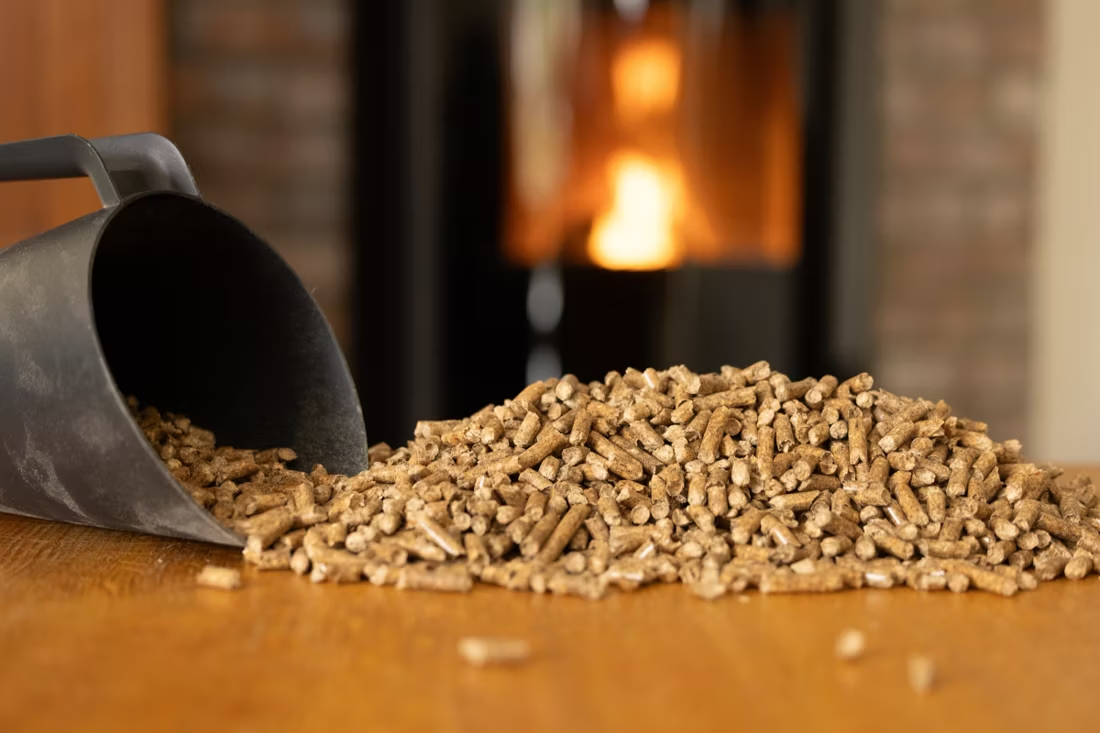
That's why pellet stoves are genuinely uncommon here, not just underrepresented in search volume. The handful of Columbia homeowners who do install one are usually finishing a basement family room, want backup heat for the periodic ice-storm outage from Baltimore Gas & Electric Co, or simply like the look and lower mess of a pellet insert over an open hearth. If that's your situation, know that most Columbia properties fall under Columbia Association covenants and a village-level Architectural Review Committee, which typically reviews exterior vent penetrations before a permit is pulled through Howard County's Department of Inspections, Licenses and Permits. Regional pellet fuel brands like Energex, Hamer Pellet Fuel, and Greene Team Pellet Fuel are sold through Mid-Atlantic hearth and farm-supply dealers, so fuel access isn't the obstacle—approval and appliance selection are what take planning.
Three steps. No salesperson until you're ready.
Tell us about your project
Your zip code, your situation, and the fuel you're leaning toward—or let the answers point you to one.
See what's actually available
The brands dealers within 100 miles genuinely carry—real options, never a catalog mirage.
Get your dealer & Project Guide
A trusted local dealer, plus the free Project Guide & Parts List that names every component of the job.
Frequently Asked Questions
How much does a pellet stove installation cost in Columbia?
A typical freestanding pellet stove install, including a through-wall vent kit and hearth pad, runs roughly $3,500 to $6,500 in the Mid-Atlantic region, with pellet inserts into an existing masonry fireplace often landing near the lower end since the firebox opening is already framed. Because Columbia is a covenant community, factor in a bit of lead time and possibly a small design-review fee if your village's Architectural Review Committee needs to sign off on the exterior vent termination before your installer schedules the work.
Why aren't pellet stoves more common in Columbia?
Two things work against them here. First, the climate: at 4,314 heating degree days and winter lows averaging 26°F, Columbia's heating season is mild compared to genuinely cold-climate markets, so most homes get by fine on gas furnaces and heat pumps without needing a dedicated secondary heat source. Second, Columbia was built as a planned community with strict village covenants, and pellet stoves require an exterior vent penetration that has to clear architectural review—a hurdle that doesn't exist for a homeowner in a less regulated subdivision. Neither issue makes a pellet stove impossible, just less common than in colder or less-restricted markets.
Do I need approval from the Columbia Association or my village before installing a pellet stove?
In most cases, yes. Columbia's ten villages each maintain covenants enforced through a village-level Architectural Review Committee, and exterior work—including a new vent termination through a wall or roof for a pellet stove—typically requires submitting plans before you install. This is separate from, and in addition to, the mechanical permit you'll pull through Howard County's Department of Inspections, Licenses and Permits. A local hearth dealer familiar with Columbia installs can usually tell you what your specific village committee will want to see on the application.
Where can I buy pellet fuel near Columbia?
Fuel access isn't the limiting factor here—Energex, Hamer Pellet Fuel, and Greene Team Pellet Fuel are all regional Mid-Atlantic brands sold through hearth dealers and farm-supply retailers within reach of Howard County. Because pellet appliances are less common in Columbia than in colder markets, it's worth confirming with a local dealer that they keep pellets in stock year-round rather than special-ordering by the pallet each fall.
What permits do I need for a pellet stove in Columbia?
You'll need a mechanical permit through Howard County's Department of Inspections, Licenses and Permits covering the appliance and venting, plus an inspection once it's installed. If your property falls under a Columbia Association village covenant—which most of the city does—plan on Architectural Review Committee approval for the exterior vent penetration before the permit is finalized. A dealer who regularly installs in Columbia will typically manage both processes as part of the job.
Will a pellet stove keep my house warm if the power goes out?
Only partially, and it's worth understanding before you buy. Pellet stoves rely on an electric auger and blower to feed fuel and circulate heat, so a standard unit stops working the moment Baltimore Gas & Electric Co service drops, unlike a wood stove that burns regardless of electricity. Some pellet stove models accept a small battery backup or can run briefly off a portable generator, which is worth discussing with your installer if outage resilience—not just supplemental warmth—is your main reason for buying one.
What size pellet stove do I need for a Columbia home?
Given Columbia's mild heating load—4,314 heating degree days and winter lows around 26°F—most local installs are sized as supplemental heat for a single zone rather than whole-house primary heat. A smaller unit rated for 1,000 to 1,800 square feet comfortably handles a finished basement, sunroom, or family room addition, which is the most common use case in Columbia's townhomes and single-family villages. Whole-house sizing is rarely needed here the way it would be in a colder climate.
Should I get a pellet stove or a gas insert for my Columbia home?
For most Columbia homeowners, gas makes more practical sense: natural gas service is standard throughout the area, a gas insert or fireplace turns on instantly without hauling fuel bags, and it avoids the covenant review that comes with a new exterior pellet vent. Pellet stoves still make sense for a specific homeowner—someone who wants the look and radiant feel of a real flame with lower particulate output than wood, and who's willing to manage a hopper and ash pan. If convenience and simplicity are the priority, most local dealers steer Columbia buyers toward gas first.
How much maintenance does a pellet stove need in a Mid-Atlantic climate like Columbia's?
Less than a wood stove, but it's not maintenance-free. Plan on emptying the ash pot every few days of regular use and vacuuming the burn pot weekly, plus a full professional cleaning and inspection once a year—typically in late summer, ahead of the shorter heating season Columbia actually experiences. Because the season here runs shorter and milder than in colder climates, most Columbia units log fewer annual burn hours, which is easy on the auger motor and exhaust fan but doesn't eliminate the need for that annual service visit.
Can a pellet stove heat a whole house?
It genuinely can. I burned a pellet stove as my only heat source for years after a furnace died, and it kept the entire house warm. Pellets feed automatically from a hopper, so you get wood-heat economics with thermostat-style control. Two honest caveats: it needs weekly cleaning during the season, and most models need electricity to run—ask about battery backup if outages are a concern.
Why is my open fireplace making my house colder?
Open fireplaces suck—literally. As the fire burns, it consumes air your furnace already paid to heat and pulls it out through the chimney, so the house is actually colder after the fire goes out than before you lit it. An insert fixes this: it seals the chimney, puts fixed glass across the front, and turns that hole in your house into a real heat source.
Does a fireplace add value to my home?
On average, a fireplace adds back to the home about the same amount you spent installing it. Add the monthly savings from heating the rooms you actually use instead of the whole house—often hundreds of dollars a year—and the value case is strong before you even count what a fire does for how your family uses the room.
What is an in-home preview and do I need one?
It's a visit where a hearth professional measures your space, confirms the model you picked actually works in your home, and walks the specs—framing, gas line, venting, finish work—before anything is ordered. Some details you just can't know until you see the house. Never make a down payment without one; it's the single most-skipped step that burns buyers.
Nearby Dealers
Hearth shops serving Columbia and the surrounding area.
Fireside Hearth & Home - Elkridge
Pellet Brands Stocked Around Columbia
Manufacturers will point you to the nearest stocking dealer.
Get your free Project Guide & Parts List for a pellet stove in Columbia.
Tell me about your home, your village's covenant requirements, and what you're trying to heat, and I'll match you with a trusted local dealer and send a free Project Guide & Parts List with the exact vent kit and parts your project needs.
Find Your Fireplace →