
A fireplace built for Washington County's short, mild winters.
From Bogalusa to Franklinton, the cold season here is brief and mild—a good match for the instant, no-venting heat of an electric fireplace. Find the right unit and connect with a trusted local dealer.
Every Project Starts From One of These Five Situations
The right fit for a low-heat-demand climate.
Washington County sits in the Piney Woods of southeastern Louisiana, home to Bogalusa, Franklinton, and a scatter of rural communities in between. The climate here is zone 2A—hot and humid most of the year—with winter lows averaging 39°F and a mild, short heating season overall. Compare that to a place like Duluth, MN, which has a long, brutal winter heating season nearly six times as demanding, and it's clear Washington County isn't fighting a long, hard winter. Most years, the cold arrives as a handful of chilly nights and damp mornings rather than months of sustained freeze.
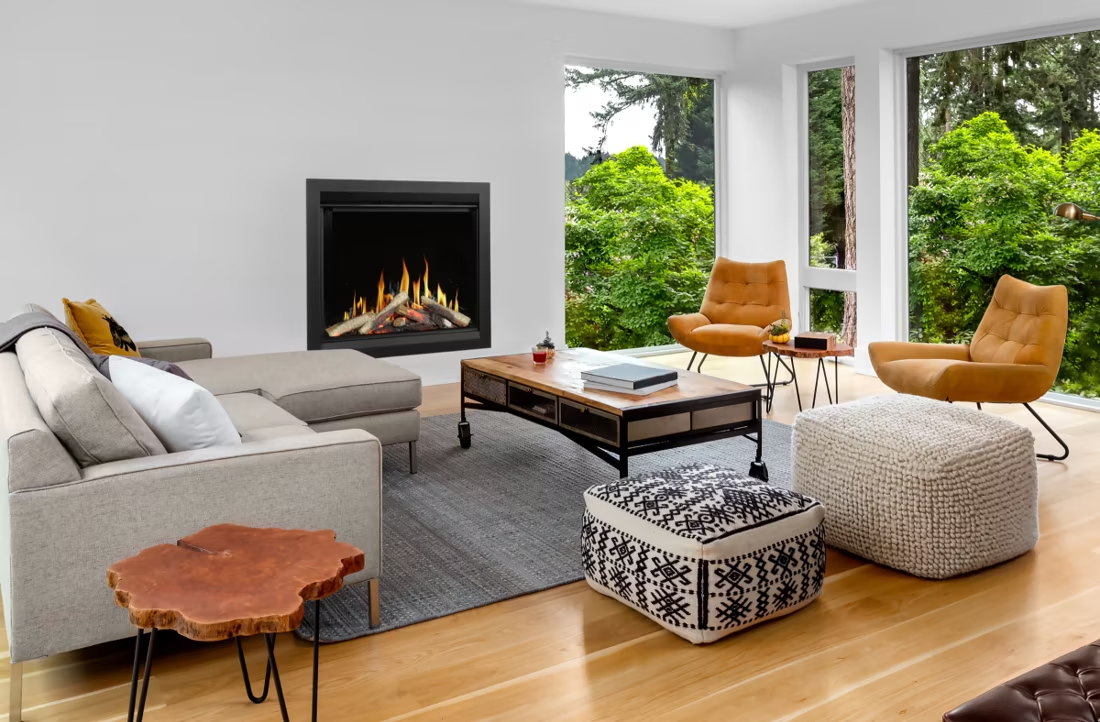
That kind of low, occasional heating demand is exactly where electric fireplaces earn their keep. There's no chimney to build, no gas line to run, and no combustion byproducts added to homes that are already dealing with plenty of ambient humidity for most of the year. Electric units drop into an existing wall, mantel, or built-in niche with minimal construction, which makes them a practical fit for the county's mix of older homes, rentals, and manufactured housing. Homeowners who want the crackle-and-glow of a fire for a handful of cool evenings a year—without taking on wood storage, a chimney sweep, or a propane tank—tend to land on electric.
Three steps. No salesperson until you're ready.
Tell us about your project
Your zip code, your situation, and the fuel you're leaning toward—or let the answers point you to one.
See what's actually available
The brands dealers within 100 miles genuinely carry—real options, never a catalog mirage.
Get your dealer & Project Guide
A trusted local dealer, plus the free Project Guide & Parts List that names every component of the job.
Frequently Asked Questions
How much does an electric fireplace installation cost in Washington County?
A plug-in freestanding or wall-mount electric fireplace runs on the low end, often $300 to $800 installed, since it needs nothing more than a standard outlet. A built-in electric insert or a unit that requires a dedicated circuit—common for larger models with heaters rated above 1,500 watts—typically runs $800 to $2,000 once minor wall work and electrical labor are factored in. That's meaningfully less than what a wood or gas conversion costs elsewhere, largely because there's no chimney, venting, or gas line involved. A local dealer can give you a firm number once they know the unit and whether you're doing a built-in or freestanding install.
What size electric fireplace do I need for my home?
Because Washington County's heating season is short—just a mild handful of cool months each year—most homeowners are shopping for ambiance and supplemental warmth on cold nights rather than a whole-home heat source. A small-to-medium unit rated for 400 to 1,000 square feet is usually plenty for a living room or den. Larger open-concept spaces may call for a unit in the 1,000 to 1,500 square foot range, but very few homes here need the largest electric heaters on the market. A local retailer can walk through your room layout and help you avoid over-buying heat output you'll rarely use.
Do I need an electrician to install an electric fireplace?
It depends on the unit. Most freestanding and mantel-style electric fireplaces plug into a standard 120V outlet and can be set up by the homeowner or the dealer's install crew with no electrician required. Built-in wall units or larger inserts, especially those drawing close to 1,500 watts, often call for a dedicated circuit, which does require a licensed electrician to run new wiring and confirm code compliance. Local dealers typically coordinate this as part of the install rather than leaving you to find and schedule an electrician yourself.
What's the difference between an electric fireplace, insert, and wall unit?
A freestanding electric fireplace is a self-contained cabinet unit—it plugs in and sits against a wall like furniture, with no construction required. An electric insert is built to slide into an existing masonry or wood-burning fireplace opening, giving you flame effect and heat without any venting changes. A built-in wall unit is recessed into the wall itself, framed in like a window, and typically used in new construction or larger remodels. For Washington County homes with an old, rarely-used wood fireplace, an insert is often the simplest upgrade; for a room with no existing fireplace, freestanding or wall-mount units are more common.
Do I need a permit to install an electric fireplace in Washington County?
A simple plug-in freestanding unit generally doesn't require a permit since there's no structural or venting work involved. A built-in installation that involves framing, wall modifications, or new electrical circuits may need a permit through your local building department, particularly inside city limits like Bogalusa. Because requirements can vary by jurisdiction within the county, it's worth having your installer confirm what's needed before work starts—most experienced dealers handle this conversation as a routine part of a built-in install.
What's the best electric fireplace for Washington County's climate?
Given the humidity that comes with a 2A climate, it's worth looking for units with sealed electronics and moisture-resistant components, since these fireplaces often sit unused for stretches during hot, damp summers. Because true heating output matters less here than ambiance, many homeowners lean toward models with strong flame-effect realism (LED or mirror-flicker technology) over units built around maximum wattage. A local dealer familiar with the area's humidity swings can point you toward models that hold up well between the occasional cool nights when you'll actually run the heater.
How much maintenance does an electric fireplace need?
Very little compared to a wood or gas unit. There's no annual chimney sweep, no gas line inspection, and no ash to clean up. Maintenance is mostly dusting the unit, occasionally cleaning the glass front, and replacing LED bulbs on older models when they dim—a task that's increasingly rare as most current units use long-life LEDs rated for years of use. It's about as low-maintenance as home heating equipment gets, which is part of why it's a popular choice for rental properties and second homes throughout the county.
Electric vs. wood—which makes more sense in Washington County?
Wood has deep roots here—local oak, pecan, and cypress are common in the fireplaces of older county homes, and plenty of homeowners keep a wood-burning fireplace for tradition and the smell of a real fire on a cool evening. But with such a short, mild heating season each year, wood as a serious heat source is overkill for most households, and it comes with chimney upkeep, ash cleanup, and smoke that an electric unit avoids entirely. For homeowners who want the visual of a fire without the maintenance—especially in rentals, mobile homes, or vacation properties—electric is usually the more practical match for how mild the winters actually are.
Electric vs. pellet stove—which is right for my home?
Pellet stoves burn compressed wood pellets—regional brands like Lignetics, Hamer Pellet Fuel, and Greenway Renewable Energy are all available in the area—and they can put out real, sustained heat for homes that want it. But they require a hopper to load, ash to remove, and periodic maintenance on the auger and blower. Electric fireplaces skip all of that: no fuel to store, no combustion byproducts, and heat output you can dial up or down instantly. Given how short and mild the Washington County heating season runs, most homeowners find they don't need the sustained BTU output a pellet stove offers, and electric covers the occasional cold night just fine.
Can I put a TV above my fireplace?
Yes—with an asterisk. Fireplaces are hot and TVs don't like heat. Either put a mantel between them to deflect rising warmth, or choose a fireplace with heat-management technology that creates a cool zone on the wall above—the wall stays around 125 degrees, barely warm, while the room still gets full heat. If you like clean lines and don't want a mantel, heat management is the answer.
Does an electric fireplace need a vent or chimney?
No—that's its superpower. An electric fireplace needs a wall and an outlet, period. No vent pipe, no gas line, no clearances to design around, which is why it works in bedrooms, offices, apartments, and walls where venting a gas or wood unit would be impractical or impossible. Installation is typically the simplest and least expensive of any fireplace type.
What is an in-home preview and do I need one?
It's a visit where a hearth professional measures your space, confirms the model you picked actually works in your home, and walks the specs—framing, gas line, venting, finish work—before anything is ordered. Some details you just can't know until you see the house. Never make a down payment without one; it's the single most-skipped step that burns buyers.
Does a fireplace add value to my home?
On average, a fireplace adds back to the home about the same amount you spent installing it. Add the monthly savings from heating the rooms you actually use instead of the whole house—often hundreds of dollars a year—and the value case is strong before you even count what a fire does for how your family uses the room.
Stove and Fireplace Dealers in Washington County
Find your electric fireplace in Washington County.
Tell us a bit about your home and we'll match you with the right electric fireplace or insert, plus a free Project Guide & Parts List and your recommended local dealer.
Find Your Fireplace →