
Keep Your Family Warm and Safe—No Matter What
With winter lows averaging 39°F and just a light overall winter heating load each year, Ponchatoula doesn't need a wood stove to survive winter. Here's who still wants one, and what to consider before you commit.
Every Project Starts From One of These Five Situations
Ponchatoula winters rarely call for a wood-burning workhorse.
Ponchatoula sits at just 26 feet of elevation in Tangipahoa Parish, in climate zone 2A—hot, humid, and short on real winter. The area sees a light overall winter heating load, just a fraction of what a place like Duluth, MN racks up (which runs closer to five times as much). Winter lows average 39°F, with the occasional dip into the 20s during a Gulf cold snap, but sustained cold weather that demands all-day, every-day heat simply isn't the norm here. Most homes lean on central electric heat pumps served by Entergy Louisiana or Washington-St. Tammany Electric Cooperative to get through the handful of genuinely cold weeks.
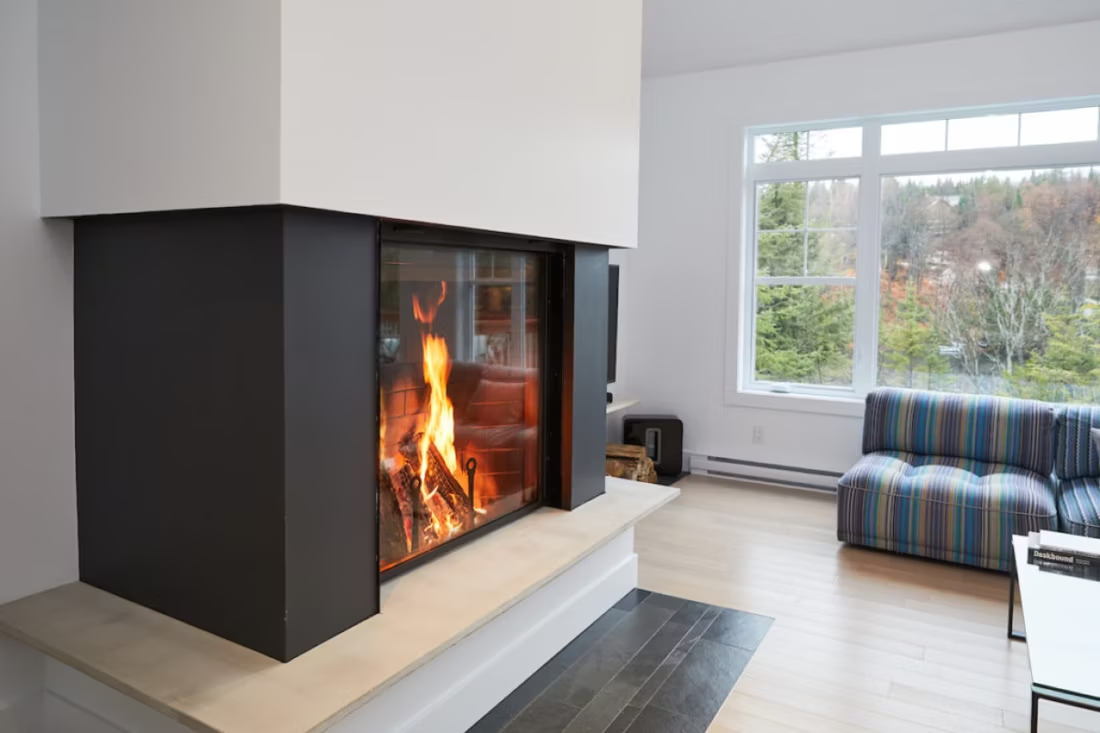
That said, some Ponchatoula homeowners still want a wood-burning fireplace or stove—for the smell of oak or pecan on a rare January freeze, because a historic downtown home already has a working masonry hearth, or simply because a real fire feels good even when it isn't strictly necessary. Local wood is not hard to come by: oak, pecan, and cypress are common across Tangipahoa Parish's yards, orchards, and swamp edges near Manchac. Just go in with the right expectations—this is an occasional-use, ambiance-driven purchase in Ponchatoula, not a primary heating decision, and far fewer local dealers stock and install true wood-burning units here than in colder parts of the country.
Three steps. No salesperson until you're ready.
Tell us about your project
Your zip code, your situation, and the fuel you're leaning toward—or let the answers point you to one.
See what's actually available
The brands dealers within 100 miles genuinely carry—real options, never a catalog mirage.
Get your dealer & Project Guide
A trusted local dealer, plus the free Project Guide & Parts List that names every component of the job.
Frequently Asked Questions
Is a wood-burning fireplace even practical in Ponchatoula's climate?
Practical isn't really the word—necessary is closer to it, and the answer there is no. With winter lows averaging 39°F and only a light overall winter heating load each year, Ponchatoula homes get through winter on electric heat pumps from Entergy Louisiana or Washington-St. Tammany Electric Cooperative for the vast majority of the season. A wood-burning fireplace here typically gets used a handful of nights a year—during a hard freeze, over the holidays, or just because a fire feels right on a rare cold, damp evening. If that's the use case you're after, it's a fine choice; if you're expecting a primary heat source, you'll be disappointed by how little it gets used.
What firewood burns best if I want to have a fire in Ponchatoula?
Oak, particularly live oak, is the standby—dense, long-burning, and abundant across Tangipahoa Parish yards and woodlots. Pecan is also common locally (this is pecan country) and burns well with a pleasant aroma, making it popular for occasional fires and even outdoor cooking. Cypress grows all over the nearby swamp country around Manchac and Lake Maurepas, but it's a softer, lower-density wood—better for kindling or a quick decorative fire than for a long, hot burn. If you're building or buying a stock of firewood for occasional use, oak and pecan should make up most of the pile.
How much does it cost to install a wood stove or fireplace insert in Ponchatoula?
Costs vary widely depending on whether you're installing into an existing masonry chimney, adding a freestanding stove where none exists, or doing new venting from scratch—and because true wood-burning installs are uncommon in this climate, fewer local dealers carry and install them, which can affect both price and availability. Expect a wider quote range here than in a cold-climate market with dozens of wood-stove specialists. Many Ponchatoula homeowners considering the cost of a full wood install end up comparing it against a gas log set or gas insert, which is far more common locally and often less expensive to install. A local dealer can give you an accurate number once they see your chimney or framing.
Do I need a permit to install a wood stove in Ponchatoula?
Most new hearth and chimney work goes through the local building permit process, so plan to check with the Ponchatoula or Tangipahoa Parish permitting office before installation—the same as you would for any structural or venting change to a home. One thing working in your favor: Ponchatoula has no air quality non-attainment issues or winter wood-smoke curtailment programs like some western cities do, so once installed, there's no seasonal burn-ban bureaucracy to navigate. Your installer can confirm exactly what's required for your specific chimney or stove setup.
Can I just use the existing masonry fireplace in my older Ponchatoula home?
Often, yes. Ponchatoula's downtown and older neighborhoods—the same streets that give the city its "Antique City" reputation—have plenty of homes with original masonry fireplaces. If the flue and firebox are structurally sound, an occasional wood fire is one of the simplest, lowest-cost ways to enjoy wood heat here, no new stove purchase required. Have the chimney inspected first, though; older masonry chimneys that have sat unused for years can have cracked liners or blockages, especially in a humid climate where moisture and vegetation can work into unused flues.
Is firewood easy to find in Ponchatoula?
There's no large commercial cordwood delivery network here the way there is in colder regions, since wood isn't a primary heat source. But it's not hard to come by—local tree services and landscapers regularly clear oak, pecan, and cypress limbs, especially after storm season, and much of it ends up sold or given away as seasoned firewood. Tangipahoa Parish's mix of yard trees, pecan orchards, and swampland near Manchac and Lake Maurepas means raw material is generally available; you'll just be sourcing it more informally than through a big regional firewood supplier.
What's a more practical fireplace option for Ponchatoula's climate?
For most Ponchatoula homes, a gas fireplace or gas log set is the more common and more practical choice—instant flame, no wood storage or ash cleanup, and a far larger pool of local dealers who install and service them regularly. An electric fireplace is another solid option for pure ambiance, especially in a room that doesn't need real heat output. Both fit the reality of this climate better than a dedicated wood-burning appliance: something that looks and feels like a fire without asking you to manage a woodpile for the two or three cold snaps a year that actually call for it.
Are there wood-burning or air quality restrictions in Ponchatoula?
No—Ponchatoula has no air quality non-attainment designation and no winter inversion issues, unlike parts of the West where wood smoke triggers seasonal curtailment days. That means once a wood stove or fireplace is installed and permitted, you won't run into burn bans tied to air quality. The main courtesy consideration is proximity to neighbors on smaller in-town lots—keep chimney height and wood dryness in mind so smoke doesn't become a nuisance next door.
Wood vs. electric heat—which makes more sense for my Ponchatoula home?
For day-to-day comfort, electric heat wins easily here. Entergy Louisiana and Washington-St. Tammany Electric Cooperative both serve the area at roughly 11 to 12 cents per kWh, and a heat pump handles Ponchatoula's mild winters efficiently without any wood handling. Where wood earns its keep is as backup: during an unusual deep freeze like the one that hit Louisiana in February 2021 and knocked out power across the region, a working wood fireplace kept some homes livable when the grid didn't. For most households, electric covers daily heating and a wood fireplace serves as occasional ambiance plus a genuine safety net for the rare ice storm.
What's the difference between an insert and a zero-clearance fireplace?
An insert is a fireplace that slides into a pre-existing wood-burning fireplace—if you don't have one, there's nothing to insert it into. A zero-clearance fireplace is built into a framed wall, which makes it the answer for remodels and new construction. Simple test: existing masonry fireplace means insert; blank or framed wall means zero-clearance.
Why is my open fireplace making my house colder?
Open fireplaces suck—literally. As the fire burns, it consumes air your furnace already paid to heat and pulls it out through the chimney, so the house is actually colder after the fire goes out than before you lit it. An insert fixes this: it seals the chimney, puts fixed glass across the front, and turns that hole in your house into a real heat source.
Does a fireplace add value to my home?
On average, a fireplace adds back to the home about the same amount you spent installing it. Add the monthly savings from heating the rooms you actually use instead of the whole house—often hundreds of dollars a year—and the value case is strong before you even count what a fire does for how your family uses the room.
What is an in-home preview and do I need one?
It's a visit where a hearth professional measures your space, confirms the model you picked actually works in your home, and walks the specs—framing, gas line, venting, finish work—before anything is ordered. Some details you just can't know until you see the house. Never make a down payment without one; it's the single most-skipped step that burns buyers.
Nearby Dealers
Hearth shops serving Ponchatoula and the surrounding area. Every listing shows whether it is a WhyFire partner, a dealer we have verified as authorized for the brands we recommend, or a local business carrying hearth products. No manufacturer pays for placement. How we verify dealers →
Lacox Propane Gas Co., Inc.
Brandon's Furniture
Outdoor Living Center
Harrell Gas Inc
Find your wood fireplace in Ponchatoula.
Wood-burning installs are a niche request in Ponchatoula's climate, which is exactly why matching with the right local dealer matters. Tell us about your home and we'll connect you with a trusted local pro and a free Project Guide & Parts List—including the exact venting and parts your project needs.
Find Your Fireplace →