
Find the right electric fireplace for your Pearl River home.
With winter lows averaging 41°F, Pearl River homes need ambiance and light supplemental warmth more than a heating system—electric delivers both without venting or fuel storage.
Every Project Starts From One of These Five Situations
Mild winters make electric the practical, low-hassle choice.
Pearl River sits at just 25 feet of elevation in St. Tammany Parish, in climate zone 2A, where the winter heating load is only about a fraction of what a place like Bismarck, ND sees in a single winter—a light overall heating season. Winter lows average around 41°F, meaning the furnace or heat pump does most of the heavy lifting on the handful of genuinely cold nights, while a fireplace here is mostly about atmosphere, a focal point in the living room, and occasional supplemental warmth during a cold front off the Gulf.
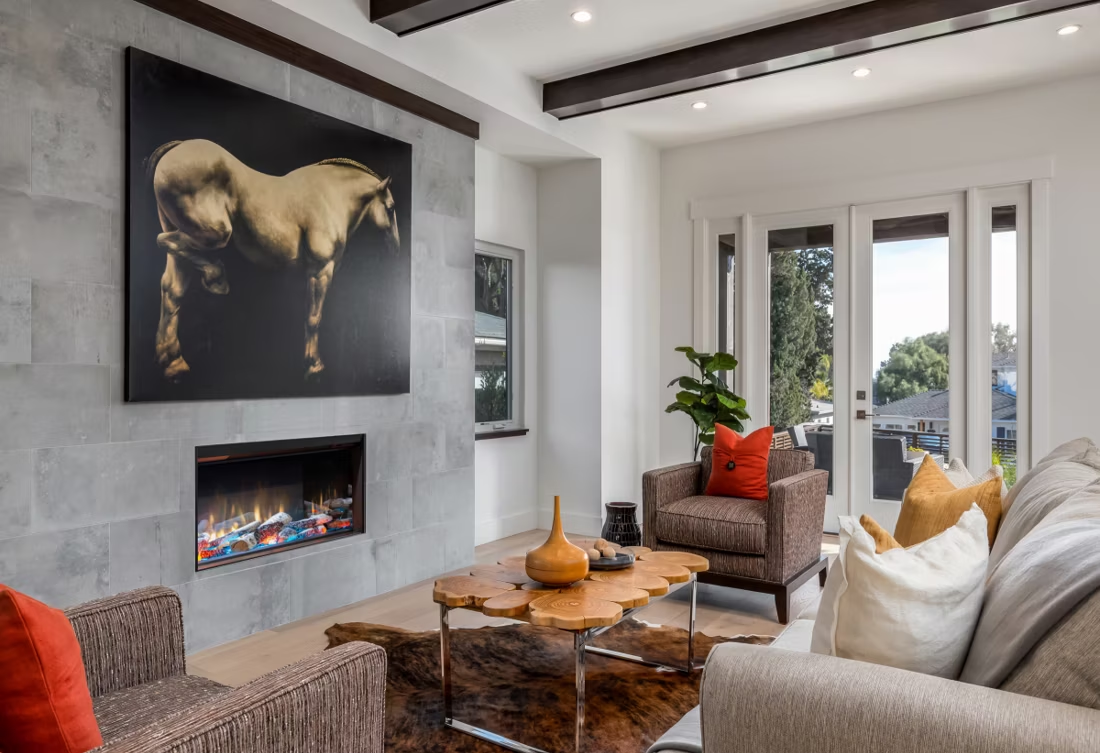
That makes electric an easy fit. There's no chimney to build, no gas line to run, and no combustion byproducts to vent—an electric insert or wall-mount unit plugs into standard household power and installs in a fraction of the time of a wood or gas project. With CLECO Power and Washington-St Tammany Electric Cooperative serving the area at residential rates around 12 cents per kWh, running a 1,500-watt electric fireplace a few hours a night costs only pennies, which fits the way most Pearl River households actually use a fireplace: for looks and comfort, not primary heat.
Three steps. No salesperson until you're ready.
Tell us about your project
Your zip code, your situation, and the fuel you're leaning toward—or let the answers point you to one.
See what's actually available
The brands dealers within 100 miles genuinely carry—real options, never a catalog mirage.
Get your dealer & Project Guide
A trusted local dealer, plus the free Project Guide & Parts List that names every component of the job.
Frequently Asked Questions
How much does an electric fireplace installation cost in Pearl River?
Electric fireplace installs in Pearl River typically run $400 to $1,200, which is dramatically lower than wood or gas projects because there's no venting, no masonry work, and no fuel line to install. A plug-in insert that drops into an existing fireplace opening sits at the low end. A built-in wall unit with a dedicated circuit, recessed mounting, and finish carpentry around it runs closer to the top of that range. Most local dealers can quote a firm price after seeing your fireplace opening or wall space.
Will an electric fireplace actually heat my Pearl River home?
It will take the edge off a single room, but it's not designed to be a primary heat source—and given Pearl River's mild winters (average lows around 41°F and a light overall heating season), most homeowners here aren't looking for one. Most electric units put out around 4,000-5,000 BTU, enough to warm a bedroom or den on a chilly evening but not a whole house during a rare hard freeze. Think of it as supplemental comfort for your existing HVAC system, not a replacement for it.
Is wood or pellet heat ever used in Pearl River?
Rarely, and for good reason. With winter lows averaging 41°F and a heating season that's fairly short overall, Pearl River's climate simply doesn't generate the sustained cold that makes wood or pellet heating worthwhile as a primary system. A small number of homeowners still install a wood-burning fireplace for looks, tradition, or an occasional cool-front fire using local oak, pecan, or cypress, but pellet stoves in particular see almost no local demand—there's little reason to manage a hopper and auger system for the handful of nights a year cold enough to need it. Electric and gas cover the overwhelming majority of installs here.
What's the difference between an electric insert and a built-in electric fireplace?
An electric insert is designed to slide into an existing fireplace opening—masonry or built-in—and plug into a nearby outlet or a new dedicated circuit, making it the fastest option for homes with an existing hearth. A built-in electric fireplace is a standalone unit framed into a wall like a piece of cabinetry, common in newer Pearl River construction or remodels where there's no existing fireplace opening to work with. For most homes here with an older masonry fireplace that's rarely used, an insert is the simpler, less expensive upgrade.
Do I need a permit to install an electric fireplace in Pearl River?
In most cases, no permit is required for a plug-in electric insert that uses an existing outlet, since it's treated like any other household appliance. If your installation requires a new dedicated electrical circuit—common with larger built-in units—an electrician will typically need to pull an electrical permit through St. Tammany Parish. A licensed local dealer or electrician can tell you within a few minutes of looking at your setup which category your project falls into.
How much does it cost to run an electric fireplace in Pearl River?
With CLECO Power and Washington-St Tammany Electric Cooperative both charging residential rates around 12 cents per kWh, a typical 1,500-watt electric fireplace costs roughly 18 cents an hour to run on high heat, or about $1.30 for a full evening's use. Most owners run theirs on the flame-only setting (with heat off) far more often than on heat mode, which draws only a small fraction of that power—making the ambiance essentially free to enjoy.
What should I look for in an electric fireplace for a Gulf South climate?
Since heat output matters less here than in colder regions, prioritize flame realism, remote or app control, and finish options that match your room—brands like Napoleon, Dimplex, and Amantii are widely available through local dealers and offer strong flame effects with adjustable brightness, useful since you may run the flame without heat most of the year in Pearl River's humid, mild climate. Look for a model with a smart thermostat feature so it doesn't run heat unnecessarily on the area's many mild evenings.
Can an electric fireplace be added to a home that never had one?
Yes—this is one of the more common projects for Pearl River homes without an existing fireplace. A built-in wall unit can go into almost any interior wall with access to a standard or dedicated circuit, and there's no need for a chimney, flue, or exterior venting of any kind. This makes electric the easiest fuel type to retrofit into a home that was never built with a hearth, which is common in the area's newer subdivisions.
Electric vs. gas—which is right for my Pearl River home?
Gas delivers real, consistent heat output and works during power outages if you choose a model with battery-backup ignition—a genuine advantage during the tropical storms and outages that periodically hit St. Tammany Parish. Electric costs far less to install (often under $1,200 versus $4,500 and up for gas), requires no gas line or venting, and is nearly maintenance-free. Given Pearl River's mild winters, many homeowners lean electric simply for the look and ease, while those wanting a hedge against post-storm power loss sometimes choose gas instead. A local dealer can walk through both given your specific home and priorities.
Can I put a TV above my fireplace?
Yes—with an asterisk. Fireplaces are hot and TVs don't like heat. Either put a mantel between them to deflect rising warmth, or choose a fireplace with heat-management technology that creates a cool zone on the wall above—the wall stays around 125 degrees, barely warm, while the room still gets full heat. If you like clean lines and don't want a mantel, heat management is the answer.
Does an electric fireplace need a vent or chimney?
No—that's its superpower. An electric fireplace needs a wall and an outlet, period. No vent pipe, no gas line, no clearances to design around, which is why it works in bedrooms, offices, apartments, and walls where venting a gas or wood unit would be impractical or impossible. Installation is typically the simplest and least expensive of any fireplace type.
Can a fireplace actually lower my heating bill?
Yes—by creating a comfort zone. A furnace heats every square foot of the house just to warm the one room you're in; a gas fireplace on low burns roughly a sixth of the gas a typical furnace does. Set the furnace around 55–60 degrees as a baseline, then heat the rooms your family actually uses. Families who heat this way commonly save $20–$60 a month.
How much should I budget for a fireplace?
For an average home—covering the fireplace, the vent pipe, and basic installation—a budget between $3,900 and $5,500 gives you a lot of options across wood, gas, and pellet. By the time you add finish work, gas line, and electrical, the average complete installation lands between $5,000 and $12,000 all-in. In a remodel or new build, a good rule is to put about 2.5% of the total project cost toward the fireplace.
Nearby Dealers
Hearth shops serving Pearl River and the surrounding area. Every listing shows whether it is a WhyFire partner, a dealer we have verified as authorized for the brands we recommend, or a local business carrying hearth products. No manufacturer pays for placement. How we verify dealers →
We’ve paused dealer listings for this connection today. Enter your zip or postal code above to find dealers near you, or come back tomorrow.
Popular Electric Brands
Where each brand came from, what's inside it today, and every current model. No brand pays to be here. Not every dealer carries every brand, so enter your zip code to see what's sold near Pearl River.
Fireplace Xtrordinair
Fireplace Xtrordinair, now often called FireplaceX, is the fireplace brand of Travis Industries, Inc., of Mukilteo, Washington.
5 electric models →DaVinci
DaVinci Custom Fireplaces is a brand of Travis Industries, Inc., of Mukilteo, Washington, the company behind Lopi and Fireplace Xtrordinair.
5 electric models →Kozy Heat
Kozy Heat was founded in 1976 by Dudley Hussong in Lakefield, Minnesota, and incorporated as Hussong Manufacturing Co., Inc. in 1978.
3 electric models →Forge & Flame
Forge & Flame is the stove brand Hearth & Home Technologies introduced in August 2023 to bring Vermont Castings, Harman, and Quadra-Fire under one name.
1 electric model →Electric Service in Pearl River
An electric fireplace's heater draws about 1,500 watts—pennies per hour at local rates.
Cleco Power LLC
Washington-St Tammany E C, Inc
Get your Pearl River electric fireplace Project Guide & Parts List.
Tell us about your home and we'll help you find a trusted local dealer and send you a free Project Guide & Parts List—the exact unit, mounting details, and electrical requirements for your Pearl River electric fireplace project.
Find Your Fireplace →