
Heat without the smoke, in Jerome County.
No chimney, no gas line, no venting—just clean zone heat for Jerome, Hazelton, Eden, and the farms and subdivisions between them. Find the right unit and connect with a trusted local dealer.
Every Project Starts From One of These Five Situations
Simple, clean heat for the Magic Valley.
Jerome County sits in Idaho's Magic Valley at roughly 3,700 feet, with winters bringing a long, cold heating season and lows near 22°F—cold enough that homes need real supplemental heat for months at a stretch, but not the extreme cold of Idaho's mountain counties. Late summer and fall bring another factor into the equation: wildfire smoke drifting in from Sawtooth National Forest and surrounding wildlands is a recurring air quality concern here, which is part of why electric fireplaces have found a steady following in Jerome, Hazelton, and Eden—they add real heat and ambiance without contributing another ounce of smoke to the air.
A lot of Jerome County's housing stock is newer construction, manufactured homes, and rural properties without piped natural gas, which makes electric fireplaces an easy fit—many run straight off an existing outlet with no gas line, no chimney, and no combustion byproducts to vent. They're common as zone heat in bonus rooms, additions, and finished basements, and as ambiance pieces in living rooms served primarily by propane or a central furnace. Idaho Power serves most of the county, and a properly sized electric fireplace or insert is a low-fuss way to knock down the thermostat setting in the room you actually use without touching your primary heating system.
Three steps. No salesperson until you're ready.
Tell us about your project
Your zip code, your situation, and the fuel you're leaning toward—or let the answers point you to one.
See what's actually available
The brands dealers within 100 miles genuinely carry—real options, never a catalog mirage.
Get your dealer & Project Guide
A trusted local dealer, plus the free Project Guide & Parts List that names every component of the job.
Frequently Asked Questions
How much does an electric fireplace installation cost in Jerome County?
Costs vary a lot by unit type. A freestanding, plug-in electric stove or mantel unit runs $150 to $600 and needs no installation labor beyond setting it in place near an outlet. A wall-mounted electric fireplace typically costs $500 to $1,500 installed, including mounting hardware and any cosmetic trim work. A built-in electric insert or a unit requiring a new dedicated 20-amp circuit—common when retrofitting into an existing masonry fireplace opening—runs $800 to $2,500 once electrician labor is included. Local dealers can tell you within a few minutes of looking at your space and your electrical panel which category your project falls into.
Do I need a permit to install an electric fireplace in Jerome County?
If you're plugging a freestanding or wall-mounted unit into an existing standard outlet, no permit is required—it's treated like any other appliance. If your installation needs a new dedicated circuit, a 240-volt line, or any panel work, that's electrical work requiring a licensed electrician and typically a permit through the Jerome County Building Department. Most reputable dealers will flag this up front during the consultation so there are no surprises on install day.
What size electric fireplace do I need for my home in Jerome County?
Most electric fireplaces top out around 1,500 watts (roughly 5,000 BTU), which is enough to noticeably warm a single room of 400 to 1,000 square feet depending on insulation and ceiling height—they're built as supplemental or zone heat, not whole-home heating. Given Jerome County's long, cold heating season and winter lows near 22°F, that's usually the right role for one anyway: knocking the chill off a bonus room, den, or finished basement while your furnace or propane system handles the rest of the house. If you're trying to heat a larger open living area, talk to a local dealer about a larger built-in insert or running two zoned units rather than oversizing a single unit past its rated output—wattage doesn't scale up the way it does with wood or gas.
Will my electric fireplace work during a power outage?
No—electric fireplaces require power to run, so they shut down along with everything else during an outage. That's an important distinction for rural Jerome County properties, where outages can stretch longer than they do in town. If backup heat during storms matters to your household, that's a case for pairing an electric fireplace (for everyday convenience and zero-smoke ambiance) with a wood stove, propane unit, or generator-backed system for emergencies. A local dealer can talk through both roles rather than trying to make one appliance do everything.
What's the difference between an electric insert, an electric stove, and a wall-mounted electric fireplace?
An electric insert is built to slide into an existing fireplace opening—often used to convert an old masonry wood fireplace into clean, no-maintenance heat without touching the chimney. An electric stove is a freestanding cabinet-style unit meant to sit on the floor like a traditional wood stove, popular in Jerome County homes wanting the look of a stove without the wood handling. A wall-mounted electric fireplace hangs flat against the wall like a large-format TV, popular in newer construction and remodels where floor space is tight. All three plug into a standard outlet unless you're going with a higher-wattage built-in model that needs its own circuit.
How much does an electric fireplace cost to run in Jerome County?
A typical 1,500-watt electric fireplace running on high uses about 1.5 kWh per hour. At Idaho Power's residential rates, that works out to roughly 15 to 20 cents an hour of continuous use—most households run theirs a few hours a day rather than around the clock, so the monthly bump is usually modest, especially compared to running a whole-home furnace harder. Most models also let you run the flame effect with the heater off, which uses only a few watts if you just want the ambiance without the heat.
Does wildfire smoke affect whether I should get an electric fireplace instead of wood?
It's a real factor here. Jerome County sits close enough to Sawtooth National Forest and other wildland areas that late-summer and fall wildfire smoke is a recognized regional air quality concern, and some years bring advisory periods where outdoor burning and even wood-stove use are discouraged. An electric fireplace produces zero smoke and zero particulate emissions regardless of outside air quality, which is why some households here keep an electric unit specifically as their smoke-season option even if they also burn wood the rest of the year.
Electric vs. propane—which is right for my Jerome County home?
Much of rural Jerome County runs on propane rather than piped natural gas, and propane fireplaces put out considerably more heat per hour, which matters for larger rooms or homes trying to offset furnace use during the coldest stretches near 22°F. Electric fireplaces can't compete on raw heat output, but they install almost anywhere with zero venting, zero fuel storage, and zero combustion byproducts—a real advantage for additions, basements, or manufactured homes where running new gas line or venting is impractical. Many households end up with propane as primary supplemental heat and electric in a secondary room where installation simplicity matters more than max BTU output.
Electric vs. pellet stove—which makes more sense here?
Pellet stoves burning regional brands like Bear Mountain, Lignetics, or Pacific Pellet put out real, sustained heat and can serve as a primary heat source, but they need a hopper refilled, ash cleaned out, and a chimney or through-wall vent—plus they need electricity to run the auger and blower, so they're not a power-outage backup either. Electric fireplaces skip all of that: no fuel to store or haul, no venting, no ash, and setup is often as simple as plugging into an outlet. If you want low-maintenance zone heat or ambiance in one room, electric is the simpler answer. If you're looking to meaningfully cut a propane or furnace bill across a larger living space, a pellet stove is worth a serious look, and a local dealer can walk you through both.
Does an electric fireplace need a vent or chimney?
No—that's its superpower. An electric fireplace needs a wall and an outlet, period. No vent pipe, no gas line, no clearances to design around, which is why it works in bedrooms, offices, apartments, and walls where venting a gas or wood unit would be impractical or impossible. Installation is typically the simplest and least expensive of any fireplace type.
Can I put a TV above my fireplace?
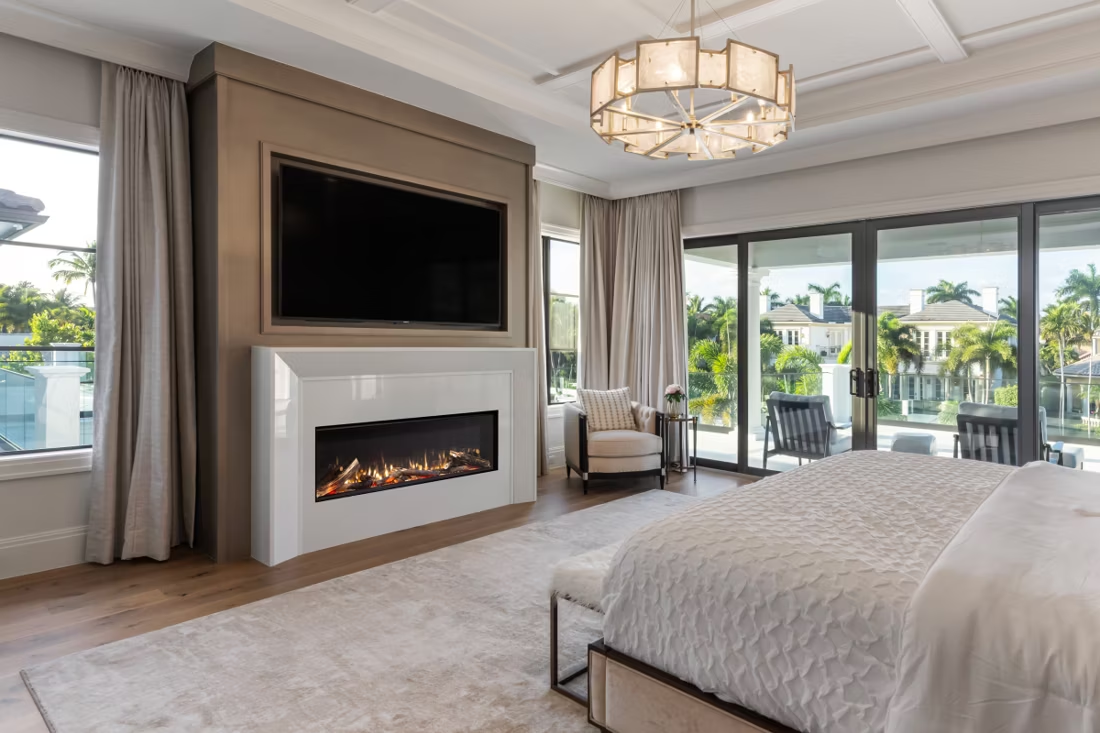
Yes—with an asterisk. Fireplaces are hot and TVs don't like heat. Either put a mantel between them to deflect rising warmth, or choose a fireplace with heat-management technology that creates a cool zone on the wall above—the wall stays around 125 degrees, barely warm, while the room still gets full heat. If you like clean lines and don't want a mantel, heat management is the answer.
Can a fireplace actually lower my heating bill?
Yes—by creating a comfort zone. A furnace heats every square foot of the house just to warm the one room you're in; a gas fireplace on low burns roughly a sixth of the gas a typical furnace does. Set the furnace around 55–60 degrees as a baseline, then heat the rooms your family actually uses. Families who heat this way commonly save $20–$60 a month.
Can I install a fireplace myself?
If you're putting a fire in your house on purpose, it's best to work with an expert. Unless you're genuinely experienced in framing, gas line, vent pipe, and the national code on clearances to combustibles, have a professional do it—and ideally the same company that sells you the fireplace, so warranty, service, and liability all live under one roof.
Find your electric fireplace in Jerome County.
Tell us a bit about your home and we'll match you with the right electric fireplace, insert, or stove—plus a free Project Guide & Parts List and a trusted local dealer to install it.
Find Your Fireplace →