
Clean electric heat for Butte County's high desert winters.
No chimney, no wood pile, no venting—just supplemental warmth for ranch homes around Arco and the Lost River Valley, where winter lows regularly drop well below zero and wildfire smoke can make combustion heat unwelcome some weeks of the year.
Every Project Starts From One of These Five Situations
The easiest heat to add to a Lost River Valley home.
Butte County is one of Idaho's smallest and least-populated counties—just over 1,000 residents spread across the high desert plateau between the Lost River Range and the lava fields of Craters of the Moon National Monument. The county seat, Arco, sits near 5,300 feet elevation in Climate Zone 6B, and winters here are long and hard, with stretches of single-digit and sub-zero nights common from December through February. Wood is abundant in the surrounding Salmon-Challis National Forest—lodgepole pine, ponderosa pine, douglas fir, and larch all grow within a short drive—but not every home, addition, or outbuilding on a Butte County ranch is set up for a chimney, and not every homeowner wants one.
That's where electric fireplaces and inserts earn their place. Power in Butte County is largely delivered through Fall River Electric Cooperative and neighboring rural providers, and while the grid out here can see outages during heavy snow or wind events, electric units remain the simplest option for zone heat in a spare bedroom, a converted barn office, or a mobile home where running a flue isn't practical. They also produce zero combustion byproducts—a real advantage during summer and early fall wildfire smoke events, when air quality advisories make burning wood or even running a gas unit less appealing. For many Butte County households, an electric fireplace supplements a wood stove or propane furnace rather than replacing it outright.
Three steps. No salesperson until you're ready.
Tell us about your project
Your zip code, your situation, and the fuel you're leaning toward—or let the answers point you to one.
See what's actually available
The brands dealers within 100 miles genuinely carry—real options, never a catalog mirage.
Get your dealer & Project Guide
A trusted local dealer, plus the free Project Guide & Parts List that names every component of the job.
Frequently Asked Questions
How much does an electric fireplace installation cost in Butte County?
Most electric fireplace and insert installations in Butte County run $400 to $1,200, and that's largely labor for a dedicated 120V or 240V circuit and any trim carpentry around the unit—there's no chimney, no gas line, and no venting to install. Simple plug-in inserts that drop into an existing masonry fireplace opening sit at the low end. Built-in wall units that require new framing, a dedicated circuit run from the panel, or electrical work in an older ranch home wired decades ago land toward the higher end. Given how few licensed electricians serve this stretch of eastern Idaho, expect a trip charge folded into any quote from Arco out to the more remote parts of the county.
Can an electric fireplace heat my whole house through a Butte County winter?
No—electric fireplaces are supplemental heaters, not whole-home furnaces, and that matters more here than in milder climates. Butte County's Zone 6B winters bring long stretches of nights well below zero, and even the highest-output electric units (typically 5,000–5,500 BTU) are built to warm a single room, not offset a whole house's heat loss at those temperatures. Most Butte County homes running electric units pair them with a primary heat source—a wood stove, propane furnace, or forced-air system—and use the electric fireplace to take the edge off a specific room without firing up the whole house's heating.
Electric vs. wood—which makes more sense for a Butte County home?
Wood has deep practical roots here—lodgepole pine, ponderosa pine, douglas fir, and larch are all readily available from the surrounding national forest, and a wood stove keeps working when the power lines go down in a winter storm, which happens periodically on this stretch of grid. Electric can't do that; it's dependent on the same power supply as everything else in the house. Where electric wins is convenience and cleanliness—no ash, no chimney maintenance, no smoke—and during wildfire smoke season, when air quality advisories make running a wood stove less appealing, an electric unit lets you keep the fireplace ambiance without adding to indoor smoke exposure. Many Butte County households end up with both: wood as primary heat and backup during outages, electric for easy supplemental warmth the rest of the year.
Do I need a permit to install an electric fireplace in Butte County?
There's no venting or gas work involved, so electric fireplaces avoid most of the permitting that wood and gas installations require. That said, if the installation involves running a new dedicated circuit or altering your home's wiring, that work should go through Butte County's building department as a standard electrical permit, and it should be pulled by a licensed electrician. Simple plug-in inserts that use an existing outlet typically don't require any permit at all—check with a local installer on your specific unit and wiring situation before assuming either way.
Will my electric fireplace still work if the power goes out?
No—and this is worth planning around in Butte County, where winter storms occasionally knock out sections of the Fall River Electric Cooperative grid for hours at a time on the more remote stretches of the county. An electric fireplace goes dark the same moment everything else in the house does. If backup heat during outages matters to you—and for a lot of ranch properties out here, it does—pair an electric unit with a wood stove or a propane heater that doesn't depend on grid power, rather than relying on electric as your only heat source.
What size electric fireplace or insert fits a Butte County home?
Most homes in Butte County are single-story ranch houses or modest additions, and a mid-size electric insert (26–36 inches wide) comfortably supplements heat in a living room or master bedroom of typical size. Smaller wall-mount units work well for converted outbuildings, home offices, or bunkhouses on working ranches. If you're retrofitting an old masonry fireplace opening—common in some of the older homes around Arco—an insert sized to that existing opening is usually the simplest install, since it uses the surround you already have rather than requiring new framing.
What's the best electric fireplace for Butte County's cold, dry climate?
Look for units rated for continuous use with a strong fan-forced or infrared heating element rather than decorative-only models, since you'll likely be running it for real supplemental warmth on cold nights, not just ambiance. Infrared units tend to feel warmer at closer range, which suits smaller rooms common in older Butte County homes. Because the county's dry winter air can be tough on interior finishes, models with simple, low-maintenance components tend to hold up better here than units with more delicate electronics. A local dealer can walk you through options once they know your room size and whether the unit is primary supplemental heat or mostly for ambiance.
Where can I find a dealer to install an electric fireplace near Arco?
With just over 1,000 residents countywide, Butte County doesn't support its own hearth showroom, so most homeowners end up working with dealers based in Idaho Falls or Blackfoot who service the Arco and Lost River Valley area. That's exactly the gap Find My Fireplace closes—rather than guessing which regional dealer actually covers your address or drives out for installs, we match you with a trusted local pro who genuinely services Butte County and can get parts and installation scheduled without the runaround.
Electric vs. pellet stove—which is right for my Butte County property?
Pellet stoves from regional brands like Bear Mountain, Lignetics, and Pacific Pellet put out far more heat than an electric fireplace and can serve as genuine primary heat for a well-insulated home—but they still need electricity to run the auger and blower, so they're just as vulnerable to a grid outage as an electric unit, and they add fuel storage and hopper-loading to your routine. Electric fireplaces skip the pellet bags and ash entirely but only offer light supplemental warmth. For a Butte County home that already has a solid primary heat source—wood stove or propane furnace—electric is the simpler add-on for a specific room; pellet makes more sense if you're looking to offset a bigger share of your heating load.
Does an electric fireplace need a vent or chimney?
No—that's its superpower. An electric fireplace needs a wall and an outlet, period. No vent pipe, no gas line, no clearances to design around, which is why it works in bedrooms, offices, apartments, and walls where venting a gas or wood unit would be impractical or impossible. Installation is typically the simplest and least expensive of any fireplace type.
Can I put a TV above my fireplace?
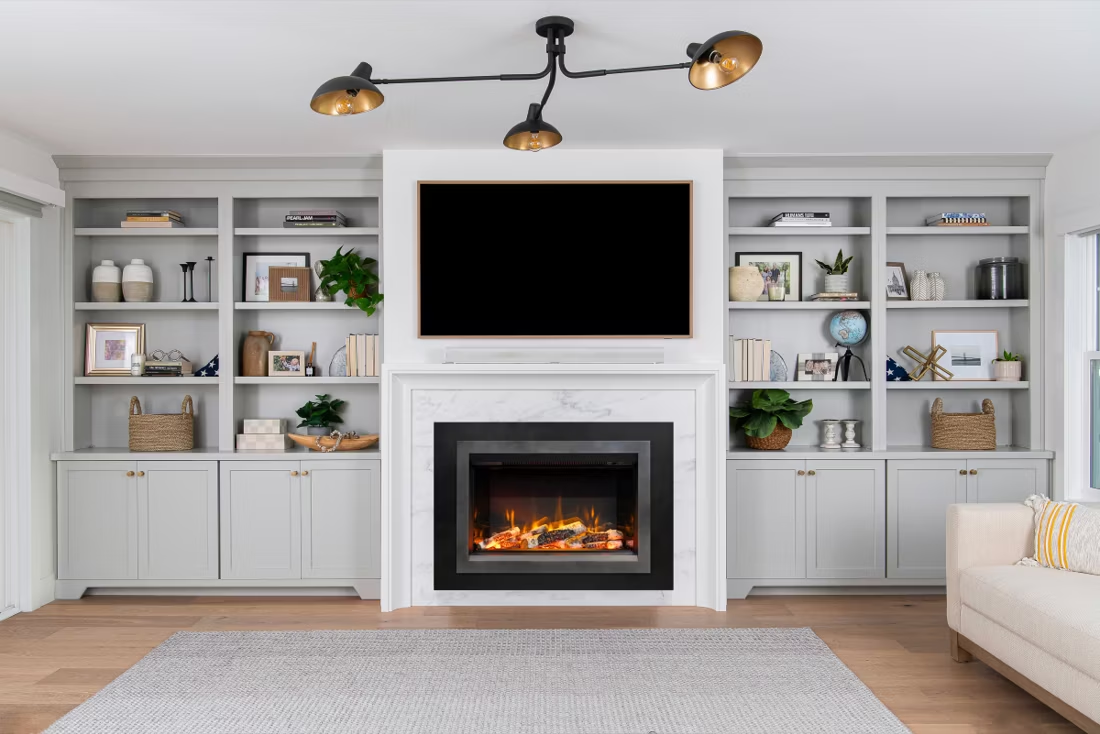
Yes—with an asterisk. Fireplaces are hot and TVs don't like heat. Either put a mantel between them to deflect rising warmth, or choose a fireplace with heat-management technology that creates a cool zone on the wall above—the wall stays around 125 degrees, barely warm, while the room still gets full heat. If you like clean lines and don't want a mantel, heat management is the answer.
Does a fireplace add value to my home?
On average, a fireplace adds back to the home about the same amount you spent installing it. Add the monthly savings from heating the rooms you actually use instead of the whole house—often hundreds of dollars a year—and the value case is strong before you even count what a fire does for how your family uses the room.
What is an in-home preview and do I need one?
It's a visit where a hearth professional measures your space, confirms the model you picked actually works in your home, and walks the specs—framing, gas line, venting, finish work—before anything is ordered. Some details you just can't know until you see the house. Never make a down payment without one; it's the single most-skipped step that burns buyers.
Find your electric fireplace in Butte County.
Tell us about your home near Arco or out in the Lost River Valley, and we'll match you with a trusted local dealer and send over your free Project Guide & Parts List—the exact parts and electrical specs for your project, no big-box guesswork.-cta_eyebrow
Find Your Fireplace →