
Heating a small county with a big winter, one home at a time.
Wood, gas, pellet, and electric fireplace resources for Arco, Moore, and the ranches and homesteads scattered across Butte County. Find the right unit and connect with a trusted local hearth retailer.
Every Project Starts From One of These Five Situations
High-desert basin heating in Butte County, Idaho.
Butte County sits in a broad high-desert basin at roughly 5,300 feet, ringed by the Lost River and Lemhi mountain ranges. Climate zone 6B means winters here run cold and dry, closer in character to Bozeman or Helena than to the milder valleys elsewhere in Idaho—overnight lows well below zero are routine, and the heating season stretches from October into April. With just over a thousand residents spread across nearly 2,900 square miles, most homes here are rural, and lodgepole pine, ponderosa pine, Douglas fir, and larch from the surrounding national forest lands are the common firewood species people cut and split themselves.
What you'll find on this hub: hearth retailers, service technicians, and fuel suppliers that reach Butte County's small population base—from Arco, the county seat, out to Moore and the ranch roads beyond. Because Butte County is sparsely populated, most retailers and technicians are based in neighboring counties and travel in for installs and service calls. Pick your fuel below to see local dealers, typical installation costs, and recommended units for a home at this elevation and cold.
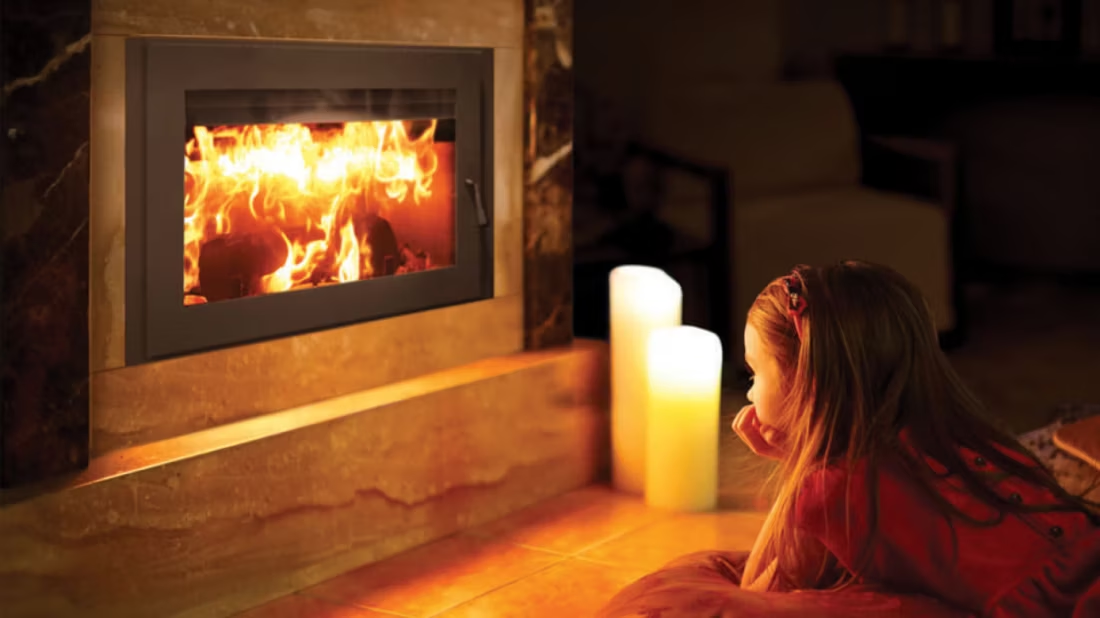
Four fuels. One honest answer for Butte County.
Three steps. No salesperson until you're ready.
Tell us about your project
Your zip code, your situation, and the fuel you're leaning toward—or let the answers point you to one.
See what's actually available
The brands dealers within 100 miles genuinely carry—real options, never a catalog mirage.
Get your dealer & Project Guide
A trusted local dealer, plus the free Project Guide & Parts List that names every component of the job.
Frequently Asked Questions
Which fuel works best for a home in Butte County?
It depends on how remote your home is and how often you want to handle fuel yourself. Wood is the traditional backbone here—Douglas fir, lodgepole pine, and larch are cut locally, and a modern catalytic stove can hold an overnight burn through a sub-zero night the way homes in Bozeman or Helena have relied on wood for generations. Gas, almost always propane rather than piped natural gas given the lack of utility infrastructure, is the convenience choice for instant heat without tending a fire—common as a secondary source or in town homes in Arco. Pellet stoves are a solid middle ground if you don't want to split wood but still want a real flame; Bear Mountain and Lignetics pellets are both reasonably available through regional suppliers. Electric fireplaces are supplemental only—fine for a bedroom or a den, but not something to lean on as your primary heat source through a Butte County winter.
Do I need a permit to install a fireplace or stove in Butte County?
Yes, in most cases. New wood stoves, inserts, gas appliances, and pellet stoves typically require a building permit through the county building department, and any propane line work should be done by a licensed installer given the reliance on tank delivery rather than piped gas. Because Butte County is rural and lightly staffed, permit turnaround can take longer than in a larger jurisdiction—build that into your project timeline. Electric fireplace installs generally don't need a permit unless you're hardwiring a built-in unit into a new circuit. Most retailers who install here handle the permit paperwork as part of the job, which is worth confirming before you sign a contract given the extra distance involved.
Are there wood-burning restrictions in Butte County?
Butte County doesn't have the winter inversion problems that trigger burn bans in places like the Klamath Basin, but wildfire smoke is a real seasonal concern given the surrounding forested mountains and dry summers. During heavy wildfire smoke events—which can happen even in a county this sparsely populated, given regional fires elsewhere in the Rockies—air quality can degrade for days at a time, though this affects outdoor burning and forest access more than home heating appliances. There's no formal winter wood-burning curfew here the way there is in more urbanized basins. If you're installing a new wood stove, an EPA-certified unit will burn cleaner and use less wood per BTU, which matters when you're hauling your own firewood a long way from town.
Can one local retailer handle all four fuel types for a Butte County home?
Given the county's small population, most of the retailers who service Butte County are based in Idaho Falls or similar regional hubs and carry a broad enough lineup to cover wood, gas, pellet, and electric in one visit—it's more efficient for them to send one crew for a multi-fuel consultation than to specialize narrowly for a low-volume rural market. That said, coverage varies by dealer, so it's worth confirming which fuels a specific retailer actually stocks and installs before you commit, especially if you're set on a particular brand of pellet stove or a specific gas insert.
How does installation and service work when you're this far from a retailer?
Most hearth companies serving Arco and Moore are dispatching from outside the county, so expect a trip charge built into quotes and a bit more lead time for scheduling than you'd see in a larger town. It's worth booking annual chimney sweeps and gas inspections in late summer or early fall, before the pre-winter rush hits every retailer in the region. If you're on a ranch or homestead well outside Arco, ask upfront about travel fees and whether the technician can bundle your service call with a nearby job to reduce cost—many are willing to coordinate this in a low-density county like Butte.
What does fireplace installation typically cost in Butte County across fuel types?
Costs run close to regional Idaho pricing but often land a little higher once travel and remoteness are factored in. Wood stove or insert installation typically runs $4,500–$9,500, more for new chimney construction. Gas (propane) fireplace, insert, or stove installs run $4,500–$11,000 depending on the propane line and venting work required. Pellet stove or insert installation typically falls in the $4,500–$7,500 range. Electric fireplaces run $200–$3,000 for the unit itself, plus $400–$1,200 in labor for anything beyond a simple plug-in install. See the county + fuel pages above for cost detail tied to specific retailers serving Butte County.
Can a fireplace actually lower my heating bill?
Yes—by creating a comfort zone. A furnace heats every square foot of the house just to warm the one room you're in; a gas fireplace on low burns roughly a sixth of the gas a typical furnace does. Set the furnace around 55–60 degrees as a baseline, then heat the rooms your family actually uses. Families who heat this way commonly save $20–$60 a month.
I know I want a fireplace—where do I actually start?
Do two things today: snap a photo of the wall or fireplace you want to transform, and take a tape measure to the space—width, height, depth. Those two artifacts answer most of a hearth professional's first questions. Then settle fuel (wood, gas, pellet, or electric) and set a realistic budget: $3,900–$5,500 covers fireplace, vent, and basic install for most homes.
Can I install a fireplace myself?
If you're putting a fire in your house on purpose, it's best to work with an expert. Unless you're genuinely experienced in framing, gas line, vent pipe, and the national code on clearances to combustibles, have a professional do it—and ideally the same company that sells you the fireplace, so warranty, service, and liability all live under one roof.
Does a fireplace add value to my home?
On average, a fireplace adds back to the home about the same amount you spent installing it. Add the monthly savings from heating the rooms you actually use instead of the whole house—often hundreds of dollars a year—and the value case is strong before you even count what a fire does for how your family uses the room.
Stove and Fireplace Dealers in Butte County
Listings include WhyFire partner dealers, dealers we have verified as authorized for the brands we recommend, and established local businesses that carry hearth products. Every listing shows which one it is. The ones marked Preferred run on WhyFire's software, so they can show you real pricing and book your appointment right here. No manufacturer pays for placement. How we verify dealers →
Quality Heating, Inc
Fireplace Outfitters - Ketchum Location
Find your fireplace project in Butte County.
Pick your fuel below and we'll match you with a trusted local dealer and send a free Project Guide & Parts List—the exact parts, vent kit included, and the recommended installer for your home.
Find Your Fireplace →