
Find the right electric fireplace for your Columbus home.
Mild winters and a growing housing stock across Columbus, Fort Moore, and Midland make electric fireplaces one of the easiest upgrades in Muscogee County—zero venting, simple installs, real ambiance. Get matched with a trusted local dealer.
Every Project Starts From One of These Five Situations
A climate built for supplemental heat, not survival heat.
Muscogee County sits in climate zone 3A with an average winter low around 33°F and a mild winter heating season overall—a fraction of what a place like Duluth, MN or Burlington, VT sees in a single winter. That's mild enough that most Columbus-area homes don't need a primary heating appliance rated for sustained sub-zero output; they need supplemental warmth for the room they actually live in, on the handful of nights each winter that dip into the 20s. Electric fireplaces fit that pattern well: instant heat, zero flue, and no impact on the home's existing HVAC system.
There's no natural cutting culture or air-quality mandate pushing homeowners toward wood or pellet here—Muscogee County has no non-attainment concerns, and with wood and pellet stoves both rated not-applicable for the local climate, most of the county's hearth demand runs toward gas and electric. Electric units install into an existing mantel, a new wall built-in, or a straightforward insert conversion with no chimney, no gas line, and no permit delay in most cases—which is exactly why they've become the default choice for Columbus condos, Midland new-builds, and older Wynnton or Historic District homes that don't want to touch their existing masonry.
Three steps. No salesperson until you're ready.
Tell us about your project
Your zip code, your situation, and the fuel you're leaning toward—or let the answers point you to one.
See what's actually available
The brands dealers within 100 miles genuinely carry—real options, never a catalog mirage.
Get your dealer & Project Guide
A trusted local dealer, plus the free Project Guide & Parts List that names every component of the job.
Frequently Asked Questions
How much does an electric fireplace installation cost in Muscogee County?
Most electric fireplace installations in Muscogee County run $400 to $1,200, which is dramatically less than gas or wood because there's no venting, no gas line, and no masonry work involved. A simple plug-in insert into an existing mantel opening sits at the low end. A built-in wall unit that requires a dedicated electrical circuit, framing, or a custom surround runs toward the higher end. Because Columbus's climate rarely demands serious BTU output, most homeowners here are buying for ambiance and zone heating rather than whole-room primary heat, which keeps the unit selection—and the install cost—on the simpler end of the spectrum.
Do electric fireplaces actually put out real heat, or are they just for looks?
Both, depending on the model. Most electric inserts and built-ins include a fan-forced heater rated around 4,600-5,000 BTU (roughly 1,500 watts), which is enough to comfortably warm a single room—a den, bedroom, or open living area—on a cold Columbus evening. Given that Muscogee County only has a mild winter heating season overall, that output is genuinely useful supplemental heat for most of the winter season rather than a token feature. The flame effect can also be run independently of the heater, which matters in a climate where you might want the ambiance in October without needing any heat at all.
Do I need a permit to install an electric fireplace in Muscogee County?
In most cases, no—a plug-in electric insert or a unit that uses an existing standard outlet typically doesn't trigger a permit requirement. If your installation requires a new dedicated circuit or panel work for a larger built-in unit, that electrical work should be pulled through a licensed electrician and may require a permit through the local building department depending on the scope. This is one of the appeals of electric over gas or wood in Muscogee County: no gas-fitter, no chimney inspection, and far less coordination between trades.
What's the difference between an electric fireplace, insert, and wall-mounted unit?
An electric insert is built to slide into an existing fireplace opening—including old wood-burning masonry fireboxes common in Columbus's older Wynnton and Historic District homes—and typically just plugs into a standard outlet. A built-in electric fireplace is designed to be framed into a wall or custom cabinetry as part of new construction or a remodel, often in Midland or Bibb City new-builds. A wall-mounted unit hangs directly on the wall like a large television, with no surround or framing needed. For homes with an existing masonry fireplace that no longer gets used for wood burning, an insert is usually the fastest and least invasive upgrade.
Is wood or pellet heat available in Muscogee County, or is electric the only realistic option besides gas?
Wood and pellet stoves are both rated as not applicable to Muscogee County's climate, and for good reason—with winter lows averaging 33°F and a mild winter heating season overall, there simply isn't enough sustained cold to justify the cost, ash cleanup, and venting requirements of a wood-burning setup for most households. That said, a small number of Columbus-area homeowners do install wood stoves for ambiance, rural properties, or backup heat during ice-storm power outages, and regional pellet brands like Lignetics and Hamer Pellet Fuel are available for the rare pellet installation. But for the vast majority of Muscogee County homes, electric and gas cover the realistic range of options.
Will an electric fireplace work during a power outage?
No—electric fireplaces require power to run both the flame effect and the heater, so they won't function during an outage. This matters most in Muscogee County during the occasional ice storm that knocks out power across Columbus and the surrounding grid for a day or more. If backup heat during outages is a real priority for your household, a gas fireplace with a battery-backup ignition system, or a Valor unit that self-generates power through its pilot thermocouple, is a better fit than electric. Many homeowners here choose electric for daily ambiance and zone heat, then keep a separate backup plan for true outages.
How much electricity does an electric fireplace use, and what will it add to my utility bill?
A typical electric fireplace heater draws about 1,500 watts on the heat setting, which costs roughly 15-20 cents per hour to run depending on your Georgia Power rate. Running it for a few hours each evening during Columbus's cooler months adds a modest amount to a monthly bill—nowhere near what a whole-home HVAC system costs to run through a Georgia summer. The flame-only mode (no heat) draws only a few watts, so you can run the ambiance feature essentially for free.
Can I install an electric fireplace into an existing wood-burning fireplace in an older Columbus home?
Yes, and it's one of the most common projects for older homes in Columbus neighborhoods like Wynnton, Rose Hill, and the Historic District. An electric insert slides into the existing masonry opening, and because there's no venting requirement, you don't need to touch the chimney at all—some homeowners cap it, others leave it as-is. This is typically the fastest and least expensive fireplace upgrade available, since there's no gas line, no liner, and no structural work beyond potentially adding an outlet inside the firebox if one doesn't already exist.
Electric vs. gas—which is right for my Muscogee County home?
Gas offers real heat output, a more authentic flame, and the ability to run during a power outage with the right ignition system—and it's rated standard for Muscogee County's climate, meaning natural gas or propane infrastructure is readily available here. Electric offers a dramatically simpler and cheaper install, no venting or gas line, and enough supplemental heat for Columbus's mild winters, but it won't help you during an outage. For a primary living space where you want dependable warmth and a realistic flame, gas is usually the better long-term investment. For a bedroom, den, condo, or rental property where simplicity and low upfront cost matter most, electric is usually the practical choice. A local dealer can walk through both options against your specific room and budget.
Can I put a TV above my fireplace?
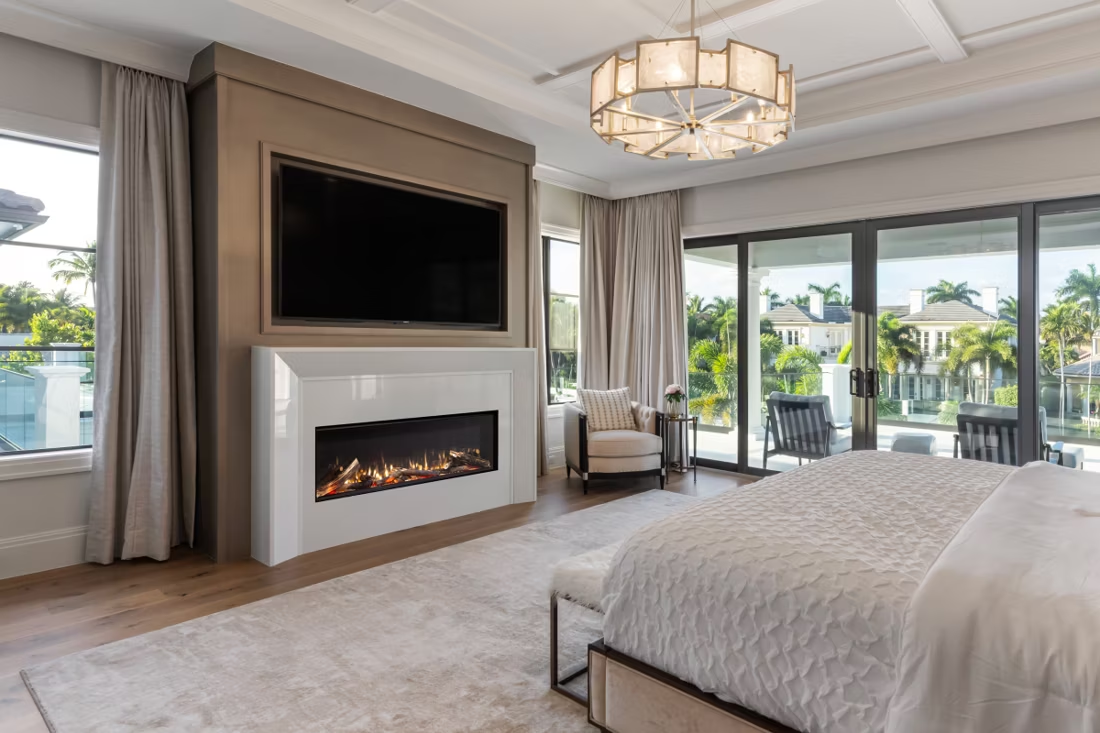
Yes—with an asterisk. Fireplaces are hot and TVs don't like heat. Either put a mantel between them to deflect rising warmth, or choose a fireplace with heat-management technology that creates a cool zone on the wall above—the wall stays around 125 degrees, barely warm, while the room still gets full heat. If you like clean lines and don't want a mantel, heat management is the answer.
How much does an electric fireplace cost to run?
With the heater on, a typical unit draws about 1,500 watts—at average electric rates that's roughly 20 cents an hour. Run the flame effect alone and it costs pennies; the flames are LED-driven and use about as much power as a light bulb. There's no pilot light, no fuel delivery, and essentially no maintenance.
Does a fireplace add value to my home?
On average, a fireplace adds back to the home about the same amount you spent installing it. Add the monthly savings from heating the rooms you actually use instead of the whole house—often hundreds of dollars a year—and the value case is strong before you even count what a fire does for how your family uses the room.
What is an in-home preview and do I need one?
It's a visit where a hearth professional measures your space, confirms the model you picked actually works in your home, and walks the specs—framing, gas line, venting, finish work—before anything is ordered. Some details you just can't know until you see the house. Never make a down payment without one; it's the single most-skipped step that burns buyers.
Stove and Fireplace Dealers in Muscogee County
Listings include WhyFire partner dealers, dealers we have verified as authorized for the brands we recommend, and established local businesses that carry hearth products. Every listing shows which one it is. The ones marked Preferred run on WhyFire's software, so they can show you real pricing and book your appointment right here. No manufacturer pays for placement. How we verify dealers →
Professional Chimney Services
Muse Kitchen And Bath Gallery
Builder's Choice Enterprises
Get your Project Guide & Parts List for electric fireplaces in Muscogee County.
Tell us a bit about your home and we'll put together a free Project Guide & Parts List for your electric fireplace project—matched with a trusted local Columbus-area dealer who can install it right.
Find Your Fireplace →