
Real Flame Ambiance, Zero Venting Hassle.
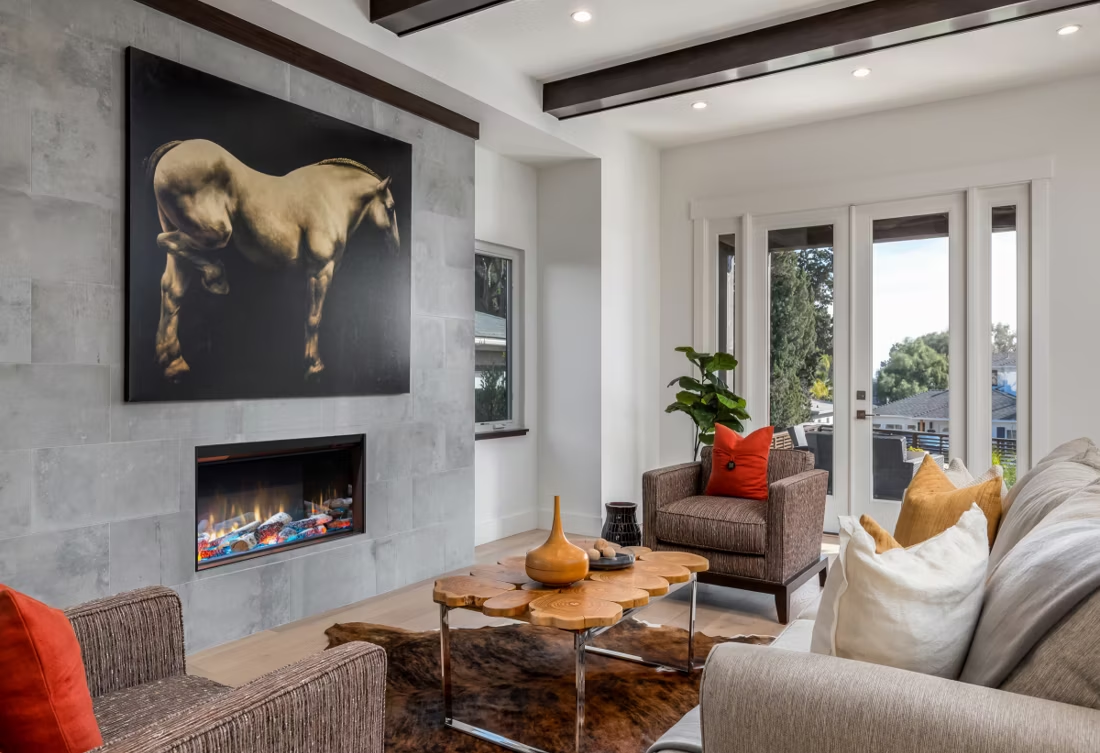
No chimney, no gas line, no exterior vent to clear with your CDD architectural review committee. Find the right electric fireplace for your villa or home, and connect with a trusted local dealer.
Every Project Starts From One of These Five Situations
Ambiance and zone comfort, built for Florida living.
With winter lows averaging 49°F and only a very light, short heating season each year, The Villages isn't a place where anyone needs a furnace-grade wood stove or a high-output gas unit to survive January. What residents here actually want is the look and feel of a fire—in a lanai, a Florida room, a great room, or a bedroom—without smoke, without a flue, and without a project that trips up the design guidelines so many neighborhood districts enforce. Electric fireplaces fit that brief almost perfectly.
Because electric units need no venting, no gas line, and no masonry, they're often the only fireplace option that clears architectural review in villa and patio-home sections without a fight. Whichever utility serves your address—Duke Energy Florida or Sumter Electric Cooperative—running one is inexpensive relative to central AC, and most units double as a standalone space heater for the rare 30-degree night. Wood and pellet appliances are essentially absent here (there's no cutting permit infrastructure, no cold-climate demand, and most homes have no chimney), and gas units require propane or a natural gas hookup most manufactured and villa homes don't have. Electric fills the gap cleanly.
Three steps. No salesperson until you're ready.
Tell us about your project
Your zip code, your situation, and the fuel you're leaning toward—or let the answers point you to one.
See what's actually available
The brands dealers within 100 miles genuinely carry—real options, never a catalog mirage.
Get your dealer & Project Guide
A trusted local dealer, plus the free Project Guide & Parts List that names every component of the job.
Frequently Asked Questions
How much does an electric fireplace installation cost in The Villages?
Electric fireplace projects in The Villages typically run $400 to $1,200 installed, and that range covers most of what residents actually buy: a wall-mounted unit hung over a console, a built-in linear unit set into a custom mantel wall, or an insert dropped into an existing gas or wood-look surround. Because there's no venting or gas line to run, most of that cost is the unit itself, a dedicated outlet or circuit if the electrician needs to add one, and finish carpentry around the opening. Plug-in freestanding models can be under $500 total with no electrical work at all.
Electric vs. gas—which is right for a home in The Villages?
Gas fireplaces here run on propane in most neighborhoods, since natural gas service is limited outside a handful of areas—that means a propane tank, a gas line permit, and real venting work, with installs typically landing $4,500 to $11,000. Electric skips all of that: no tank, no gas line, no venting, and a fraction of the install cost. For year-round ambiance and the occasional cool evening on the lanai, most residents find electric does the job without the propane contract and permitting. Gas still wins if you want a larger, more authentic flame and don't mind the added infrastructure and monthly propane bill.
Will an electric fireplace actually provide real heat, or is it just for looks?
Most electric fireplaces sold today include a built-in fan heater rated around 4,600–5,000 BTU, which is genuinely useful supplemental heat for a bedroom, den, or Florida room on the handful of nights each winter that dip into the 30s or 40s. It's not sized to heat a whole house—nor does it need to be, given The Villages averages a very light, short heating season each year. Most owners run the flame effect year-round for ambiance and switch on the heater only occasionally, which keeps operating costs low on either Duke Energy or SECO rate schedules.
Do I need HOA or architectural review approval to install an electric fireplace?
Many sections of The Villages are governed by Community Development Districts with architectural review requirements for exterior changes, but electric fireplaces are almost always the easiest fireplace type to get approved because there's no exterior vent, flue cap, or roof penetration involved—the whole project stays inside the wall. If you're adding a built-in unit into a new mantel wall, it's still worth a quick check with your district's design review committee before work starts, since interior remodels touching load-bearing framing or electrical can sometimes require a submission. A local installer familiar with The Villages' districts can usually tell you in one phone call whether your specific plan needs a filing.
How does the cost to run an electric fireplace compare between Duke Energy and SECO?
Your address determines your provider—Duke Energy Florida serves part of The Villages at roughly 16.6 cents per kWh, while Sumter Electric Cooperative (SECO) serves other sections at closer to 13.1 cents per kWh. Running a typical 1,500-watt electric fireplace heater for a few hours on a cool evening costs somewhere between a nickel and a dime per hour depending on which utility serves your home—noticeably cheaper than running central heat to warm the whole house for the same comfort. If you're deciding between two similar homes in different sections, it's a small but real difference worth knowing.
What's the best type of electric fireplace for a lanai or Florida room?
For screened lanais and Florida rooms, a wall-mounted linear electric fireplace is the most popular choice locally—slim, low-profile, and easy to mount without disturbing block or stucco walls. For rooms with humidity or occasional weather exposure, make sure the unit is rated for the location; fully open-air or unconditioned lanais generally call for a unit specifically listed for damp or semi-outdoor use rather than a standard indoor insert. A local retailer can steer you to the right rated model for your specific space.
Do I need a permit to install an electric fireplace in The Villages?
Simple plug-in freestanding units generally require no permit at all—they're treated like any other appliance you plug into an existing outlet. Built-in or wall-mounted units that require a new dedicated circuit or any wall modification typically need an electrical permit through your county's building division (Sumter, Marion, or Lake, depending on which part of The Villages you're in). Licensed installers who work regularly in the community usually handle that paperwork as part of the job, so it's rarely something homeowners have to manage themselves.
Electric insert vs. wall-mounted vs. freestanding—what's the difference?
An electric insert is built to slide into an existing fireplace opening—a common choice for Villages homes that already have a wood-look or gas-look firebox they want to convert to electric without demo work. A wall-mounted linear unit hangs on the wall like a piece of art or gets recessed into a framed wall, popular in great rooms and primary bedrooms. A freestanding unit is portable, plugs into any standard outlet, and can be moved between rooms or even between homes if you relocate within the community—the simplest option with zero installation.
Why don't more homes in The Villages use wood or pellet fireplaces?
With winter lows averaging around 49°F and no meaningful cold season, wood and pellet heat simply aren't necessary here the way they are in colder climates—there's no local firewood-cutting culture, no regional pellet delivery infrastructure built around home heating demand, and most homes in The Villages were built without chimneys or masonry fireboxes in the first place. A small number of owners with existing wood-burning fireplaces from older construction still use them occasionally for atmosphere, but for anyone starting from scratch, electric (or gas, where propane service is convenient) is by far the more practical route.
Does an electric fireplace need a vent or chimney?
No—that's its superpower. An electric fireplace needs a wall and an outlet, period. No vent pipe, no gas line, no clearances to design around, which is why it works in bedrooms, offices, apartments, and walls where venting a gas or wood unit would be impractical or impossible. Installation is typically the simplest and least expensive of any fireplace type.
Can I put a TV above my fireplace?
Yes—with an asterisk. Fireplaces are hot and TVs don't like heat. Either put a mantel between them to deflect rising warmth, or choose a fireplace with heat-management technology that creates a cool zone on the wall above—the wall stays around 125 degrees, barely warm, while the room still gets full heat. If you like clean lines and don't want a mantel, heat management is the answer.
Can I install a fireplace myself?
If you're putting a fire in your house on purpose, it's best to work with an expert. Unless you're genuinely experienced in framing, gas line, vent pipe, and the national code on clearances to combustibles, have a professional do it—and ideally the same company that sells you the fireplace, so warranty, service, and liability all live under one roof.
Does a fireplace add value to my home?
On average, a fireplace adds back to the home about the same amount you spent installing it. Add the monthly savings from heating the rooms you actually use instead of the whole house—often hundreds of dollars a year—and the value case is strong before you even count what a fire does for how your family uses the room.
Nearby Dealers
Hearth shops serving The Villages and the surrounding area.
Electric Service in The Villages
An electric fireplace's heater draws about 1,500 watts—pennies per hour at local rates.
Duke Energy Florida, LLC
Sumter Electric Coop, Inc
Find your electric fireplace in The Villages.
Tell us a bit about your home and we'll match you with the right electric fireplace, insert, or wall unit—plus a free Project Guide & Parts List and a trusted local dealer who knows what clears architectural review here.
Find Your Fireplace →