
Keep Your Family Warm and Safe—No Matter What
With winter lows averaging 51°F and only 498 heating degree days a year, almost nobody in Sun City Center needs a wood stove to stay warm. A small number of homeowners still want the real thing for ambiance or a second property up north—here's how to do it right.
Every Project Starts From One of These Five Situations
A subtropical climate where furnaces barely run.
Sun City Center sits in climate zone 2A on Florida's Gulf Coast, roughly 30 minutes south of Tampa. Winter lows average 51°F, and the whole heating season adds up to about 498 heating degree days—for comparison, a place like Duluth, Minnesota racks up more than 10,000. This is a 55-plus community built around lanais, golf carts, and pool decks, not cordwood stacks and chimney sweeps. For the vast majority of homes here, a wood-burning fireplace or stove would sit unused nine months of the year and barely earn its keep during the other three.
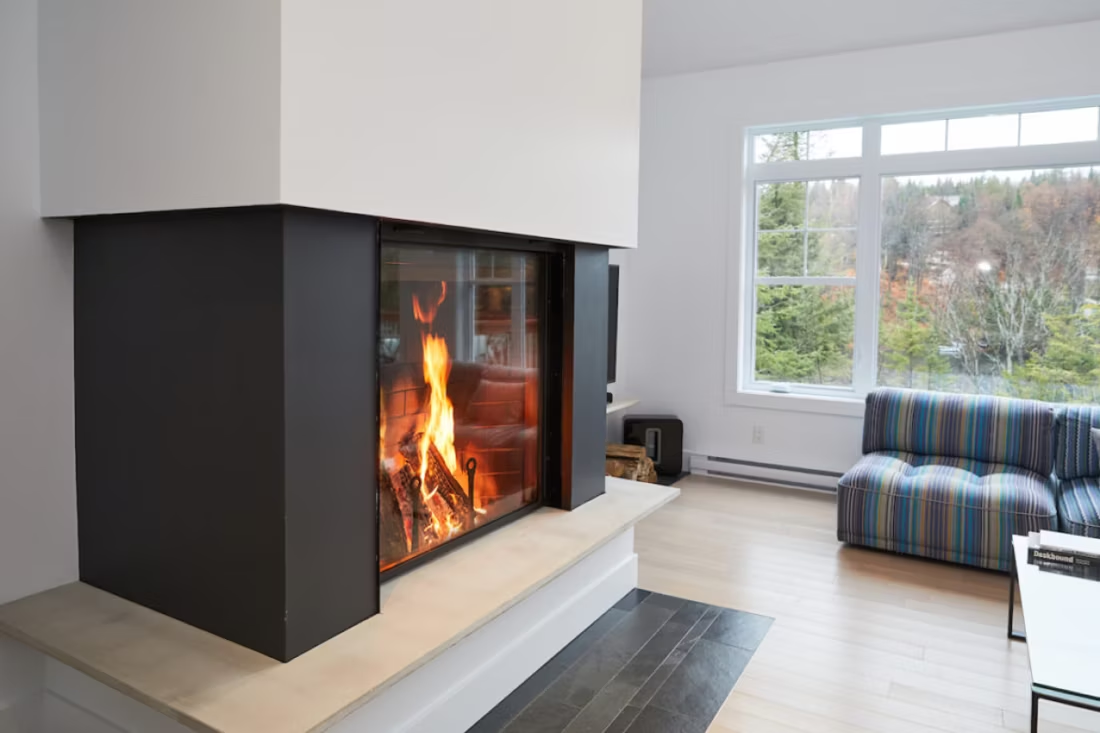
That said, wood hasn't disappeared entirely. Some residents with masonry fireplaces built into their homes still want to burn oak, mahogany, or pine on the rare cool-front evening, and some snowbirds maintain a wood stove or insert at a second property back in a colder state and want to compare options while they're here. If your real goal is dependable winter heat rather than occasional atmosphere, most local dealers will steer you toward a gas or electric fireplace instead—both of which see far more regular installs in this part of Hillsborough County.
Three steps. No salesperson until you're ready.
Tell us about your project
Your zip code, your situation, and the fuel you're leaning toward—or let the answers point you to one.
See what's actually available
The brands dealers within 100 miles genuinely carry—real options, never a catalog mirage.
Get your dealer & Project Guide
A trusted local dealer, plus the free Project Guide & Parts List that names every component of the job.
Frequently Asked Questions
Does a wood stove actually make sense in Sun City Center?
For most homes here, no—not as a primary or even meaningful supplemental heat source. With winter lows averaging 51°F and only about 498 heating degree days per year, the furnace or heat pump most homes already have rarely runs, let alone needs backup. Where wood does make sense is purely for ambiance: a masonry fireplace used a handful of evenings during a cold front, or a decorative unit installed because the homeowner simply wants a real fire. If you're weighing wood against gas or electric for actual heating performance, local dealers will almost always point you toward gas or electric instead.
If almost nobody needs wood heat here, why would anyone install a wood fireplace?
Ambiance, mostly. Some Sun City Center homeowners grew up with wood fires in colder states and want that experience on the two or three genuinely chilly nights a year, or during a rare hard freeze. Others are outfitting a lanai-adjacent great room where a real fire matters more for the look and smell than the BTUs. And some residents split time between here and a cabin or second home up north, where they're already running a wood stove seasonally and simply want the same feel in their Florida house. All of these are legitimate reasons—they're just different from the primary-heat use case wood serves in colder climates.
What wood species are actually available locally if I want to burn wood here?
Oak, mahogany, and pine are the common species around Hillsborough County. Oak is the workhorse—dense, slow-burning, and available seasoned from most Tampa-area firewood suppliers. Mahogany burns hot and can produce a nice fire for occasional use but is less commonly sold specifically as firewood compared to oak. Pine is easy to find and lights quickly but burns fast and produces more creosote, so it's better suited to kindling or short, infrequent fires than to a stove getting heavy seasonal use—which, in this climate, none of them really see.
Do I need a permit to install a wood-burning fireplace in Sun City Center?
Yes. Sun City Center falls under Hillsborough County's building permit process, and a new wood-burning fireplace, stove, or insert typically requires a building permit covering the unit, hearth clearances, and chimney or venting work. Because wood installs are uncommon here, it's worth confirming with your contractor that they've pulled permits for a wood-burning appliance before, rather than only gas—the inspection points are different, particularly around chimney height and combustible clearances.
Are there any burn restrictions or air quality rules I should know about?
Hillsborough County doesn't have the kind of winter inversion or non-attainment air quality issues that trigger burn bans in parts of the West or Pacific Northwest, and there are no notable local air quality concerns on record for this area. That said, if you install a wood-burning appliance, standard good practice still applies: burn seasoned wood, not green or treated lumber, and keep an eye on any county-level outdoor burning ordinances if you're also doing yard debris burns, which are handled separately from fireplace use.
What does a wood-burning fireplace or stove cost to install here?
Because so few homeowners request wood installs in Sun City Center, pricing tends to be quoted case by case rather than off a standard local price sheet. Nationally, a freestanding wood stove with venting typically runs several thousand dollars installed, and a full masonry fireplace build costs considerably more than a factory-built zero-clearance unit. Given how rare these projects are here, get a firm, itemized quote from a local dealer before assuming a number—and ask directly whether they've done a wood install recently, since their gas and electric volume will likely dwarf it.
Would a gas or electric fireplace be a better fit for my home?
For most homeowners here, yes. Gas fireplace relevance is rated standard for Sun City Center, meaning local dealers regularly install and service them, and electric fireplaces are similarly common—both Tampa Electric and Duke Energy Florida serve the area, so an electric insert or built-in unit is simple to power. Gas gives you real, adjustable heat with the flip of a switch and none of the ash or chimney maintenance; electric is even simpler to install and works well for supplemental warmth or pure ambiance in a lanai or bedroom. If your interest in wood is really about having a fire to enjoy rather than heat you need, ask a local dealer to show you both options side by side.
I split time between here and a colder state—can I still get help sizing a wood stove for my other property?
Yes, and it's a fairly common request from Sun City Center's seasonal residents. A local Florida dealer may not be the right fit for a heavy-duty wood stove destined for a northern cabin, but our matching process looks at where the appliance will actually be installed and used, not just your billing address—so if your wood stove is going into a property in a colder climate, you'll be matched with a dealer near that location instead.
What should I look for in a local dealer for a less common wood-burning project?
Ask directly how many wood-burning installs they've done recently versus gas or electric—in this market, that ratio will be lopsided, and that's fine, but you want a contractor who still knows proper chimney clearances, Class A pipe requirements, and hearth protection for solid-fuel appliances rather than someone extrapolating from gas-line experience. NFI (National Fireplace Institute) certification is a good sign regardless of fuel type. A dealer who's upfront that wood is a small part of their business but still willing to do the job correctly is a better sign than one who tries to talk you out of it entirely or one who's never pulled a wood-appliance permit before.
What's the difference between an insert and a zero-clearance fireplace?
An insert is a fireplace that slides into a pre-existing wood-burning fireplace—if you don't have one, there's nothing to insert it into. A zero-clearance fireplace is built into a framed wall, which makes it the answer for remodels and new construction. Simple test: existing masonry fireplace means insert; blank or framed wall means zero-clearance.
Why is my open fireplace making my house colder?
Open fireplaces suck—literally. As the fire burns, it consumes air your furnace already paid to heat and pulls it out through the chimney, so the house is actually colder after the fire goes out than before you lit it. An insert fixes this: it seals the chimney, puts fixed glass across the front, and turns that hole in your house into a real heat source.
Does a fireplace add value to my home?
On average, a fireplace adds back to the home about the same amount you spent installing it. Add the monthly savings from heating the rooms you actually use instead of the whole house—often hundreds of dollars a year—and the value case is strong before you even count what a fire does for how your family uses the room.
What is an in-home preview and do I need one?
It's a visit where a hearth professional measures your space, confirms the model you picked actually works in your home, and walks the specs—framing, gas line, venting, finish work—before anything is ordered. Some details you just can't know until you see the house. Never make a down payment without one; it's the single most-skipped step that burns buyers.
Nearby Dealers
Hearth shops serving Sun City Center and the surrounding area.
Find your fireplace match in Sun City Center.
Whether you want a real wood fire for those rare cool evenings or you're realizing gas or electric makes more sense for your home, tell us about your project and we'll match you with a trusted local dealer and send you a free Project Guide & Parts List—the exact components, venting, and recommended installer for your Sun City Center home.
Find Your Fireplace →