
Reliable gas heat for Washington County's open plains.
With a long, cold winter heating season and winter lows averaging 17°F, homes across Akron, Otis, and the rest of Washington County need dependable heat. We match you with a vetted local dealer who can size, permit, and install the right gas fireplace or insert for your home.
Every Project Starts From One of These Five Situations
Instant, consistent heat for a wind-exposed plains climate.
Washington County sits on Colorado's eastern plains, a rural stretch of farm and ranch country with a population under 2,300 spread across a wide, mostly unincorporated landscape. Climate zone 5B and a long, cold winter heating season put this county on par with cold-climate towns like Bismarck, ND, or Fargo—winters here are long, and the open, treeless terrain means wind-driven cold that makes drafty older farmhouses and ranch homes feel colder than the thermometer suggests. Gas fireplaces and inserts have become a practical choice for homeowners who want heat that starts the moment you flip a switch, without tending a fire during calving season or a harvest deadline.
Much of Washington County sits outside natural gas utility infrastructure, so propane is the dominant fuel source for most rural properties, with natural gas more available in and around Akron and other incorporated towns where distribution lines reach. Either way, a properly sized direct-vent gas unit delivers zone heat that holds steady through the county's wind and cold, and select models with intermittent pilot ignition and battery backup keep working when a plains windstorm knocks out power—a real consideration out here, where the nearest utility crew may be an hour away.
Three steps. No salesperson until you're ready.
Tell us about your project
Your zip code, your situation, and the fuel you're leaning toward—or let the answers point you to one.
See what's actually available
The brands dealers within 100 miles genuinely carry—real options, never a catalog mirage.
Get your dealer & Project Guide
A trusted local dealer, plus the free Project Guide & Parts List that names every component of the job.
Frequently Asked Questions
How much does a gas fireplace installation cost in Washington County?
Costs vary based on whether you're running natural gas (available mainly in and around Akron) or propane (the more common choice across the county's rural expanse), and whether you're installing into an existing masonry fireplace or building new. A direct-vent gas insert into an existing chimney with gas already run to the house tends to be the most affordable path. New propane tank installations, longer gas line runs across rural acreage, or fresh venting work in a home without an existing fireplace push costs higher. A local dealer can give you a firm number after seeing your home and current gas setup.
Can I convert my existing wood fireplace to gas in Washington County?
Yes, and it's a common upgrade for older ranch homes in the county that were built with a masonry wood fireplace decades ago. A gas insert typically slides into the existing firebox and vents through a stainless liner run up the existing chimney, which keeps costs down since you're not building new venting from scratch. Homes already set up with a propane tank or natural gas line are the simplest conversions; homes needing a new propane tank installed will have that added to the project.
Do I need natural gas, or does propane work for a gas fireplace?
Propane works fine and is actually the more practical choice for most of Washington County, since natural gas distribution is limited mostly to Akron and nearby incorporated areas. If your ranch or farmhouse already runs on a propane tank for cooking or a furnace, adding a fireplace on the same system is straightforward. Nearly every gas fireplace model on the market can be configured for either natural gas or propane—your local installer sets the correct orifice and regulator for whichever fuel you have.
Will my gas fireplace still work if the power goes out?
Most direct-vent gas fireplaces with intermittent pilot ignition (IPI) include a battery backup that automatically takes over when power drops, so the unit lights and runs as normal off AA batteries. That matters in Washington County, where high-wind events on the open plains can knock out power to rural lines for hours. A handful of manufacturers, including Valor, build fireplaces that generate their own electricity from the pilot's thermocouple and never need batteries at all. Ask your local dealer about the ignition system on any unit you're considering if outage resilience matters to you.
What's the difference between a gas fireplace, insert, and stove?
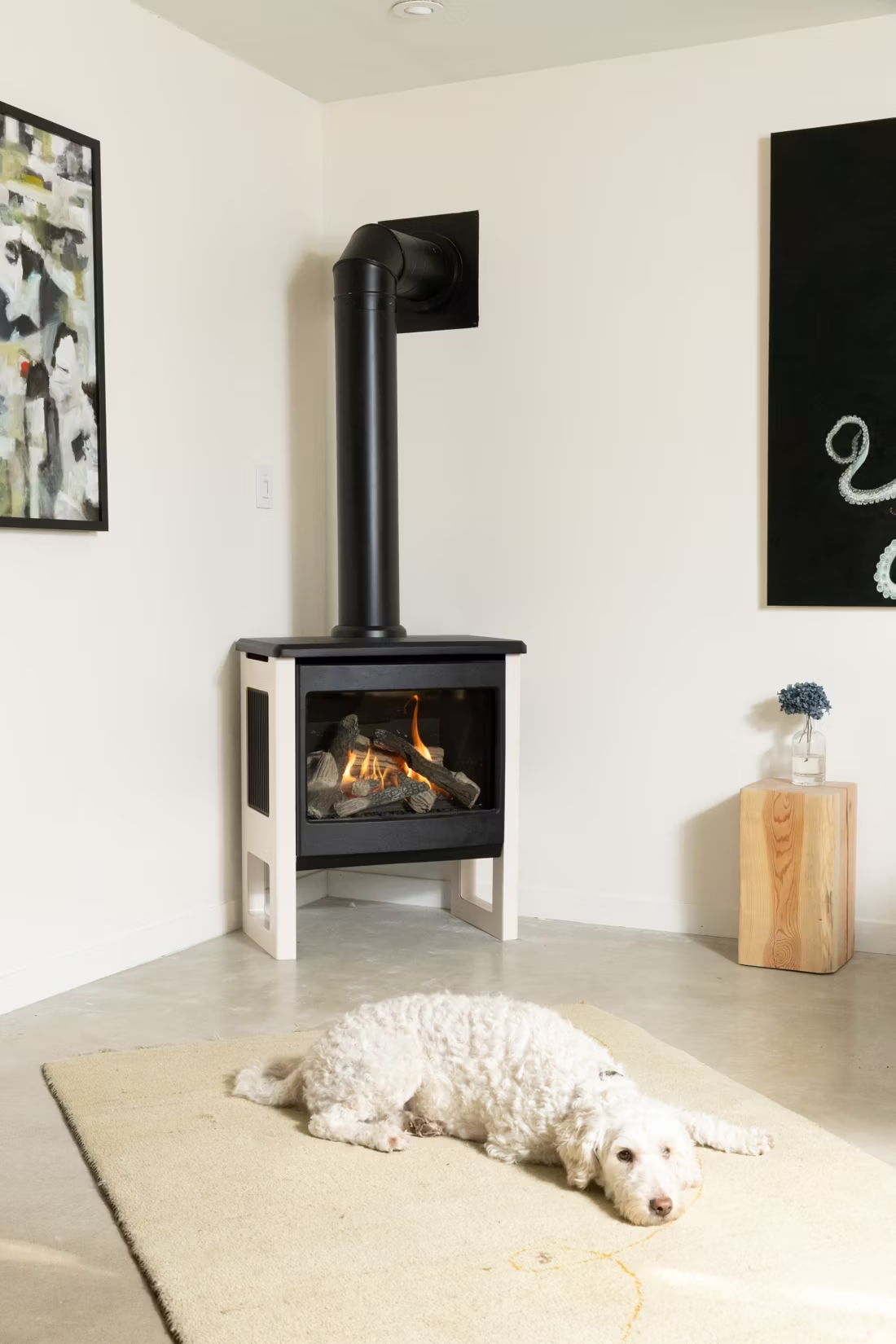
A gas fireplace is a built-in unit framed into a wall, typically chosen for new construction or a remodel. A gas insert slides into an existing masonry firebox and uses the existing chimney as its vent path, which is the common route for older Washington County farmhouses with an unused wood fireplace. A gas stove is a freestanding cabinet-style unit that sits on the floor and can go almost anywhere with proper clearances, which works well in a shop, mudroom, or smaller ranch home without an existing fireplace.
Do I need a permit to install a gas fireplace in Washington County?
Yes—new gas fireplace installations require both a building permit and gas line work performed by a licensed gas-fitter, coordinated through the county building department for unincorporated areas or the relevant town office for properties inside Akron or Otis city limits. Most local dealers handle the permitting and gas-fitter coordination as part of the installation, so you're not left managing multiple trades on your own for a rural project.
Vented or vent-free—which gas fireplace should I choose?
Vented (direct-vent) gas fireplaces draw combustion air from outside and exhaust it back outside through sealed venting, making them the cleanest and most universally code-approved option. Vent-free units burn directly into the room and are legal in Colorado, but they come with strict room-sizing rules and oxygen depletion sensors, and they add moisture and trace combustion byproducts to indoor air. For Washington County's tightly sealed, well-insulated homes built to handle harsh winters, a direct-vent unit is generally the better call for indoor air quality—a local dealer can walk you through both options for your specific room.
How often does a gas fireplace need servicing?
An annual inspection is recommended, and it's a smaller job than wood-stove chimney sweeping. A technician checks the burner, pilot assembly, venting, and gas connections, and cleans the glass. Given the driving distances between towns in Washington County, it's worth scheduling this at the same time each year—many homeowners do it in early fall before the coldest stretch hits, so any parts or service issues get resolved before winter rather than during it.
Gas vs. wood—which makes more sense for a Washington County property?
Wood is still common on rural properties here, with ponderosa pine, aspen, pinyon, and juniper available regionally, and it keeps working without electricity during outages. Gas offers instant, consistent heat with none of the daily loading and ash cleanup, which matters when you're managing a ranch schedule rather than tending a stove. Many Washington County homes end up with both: a gas unit for daily convenience in the main living space, and a wood stove or fireplace kept as backup heat for extended outages or shoulder-season ambiance. A local dealer can help you weigh which fits your specific property and how it's used.
Why is my open fireplace making my house colder?
Open fireplaces suck—literally. As the fire burns, it consumes air your furnace already paid to heat and pulls it out through the chimney, so the house is actually colder after the fire goes out than before you lit it. An insert fixes this: it seals the chimney, puts fixed glass across the front, and turns that hole in your house into a real heat source.
Can I put a TV above my fireplace?
Yes—with an asterisk. Fireplaces are hot and TVs don't like heat. Either put a mantel between them to deflect rising warmth, or choose a fireplace with heat-management technology that creates a cool zone on the wall above—the wall stays around 125 degrees, barely warm, while the room still gets full heat. If you like clean lines and don't want a mantel, heat management is the answer.
Can I install a fireplace myself?
If you're putting a fire in your house on purpose, it's best to work with an expert. Unless you're genuinely experienced in framing, gas line, vent pipe, and the national code on clearances to combustibles, have a professional do it—and ideally the same company that sells you the fireplace, so warranty, service, and liability all live under one roof.
Does a fireplace add value to my home?
On average, a fireplace adds back to the home about the same amount you spent installing it. Add the monthly savings from heating the rooms you actually use instead of the whole house—often hundreds of dollars a year—and the value case is strong before you even count what a fire does for how your family uses the room.
Get your Washington County gas fireplace Project Guide & Parts List.
Tell us about your home and we'll match you with a trusted local dealer and send a free Project Guide & Parts List—the exact parts, vent kit, and recommended installer for your Washington County gas project.
Find Your Fireplace →